The Names That Mark Our Path: Learning from the Tribe of Reuben
“And these were their names: of the tribe of Reuben, Shammua the son of Zaccur.” — Numbers 13:4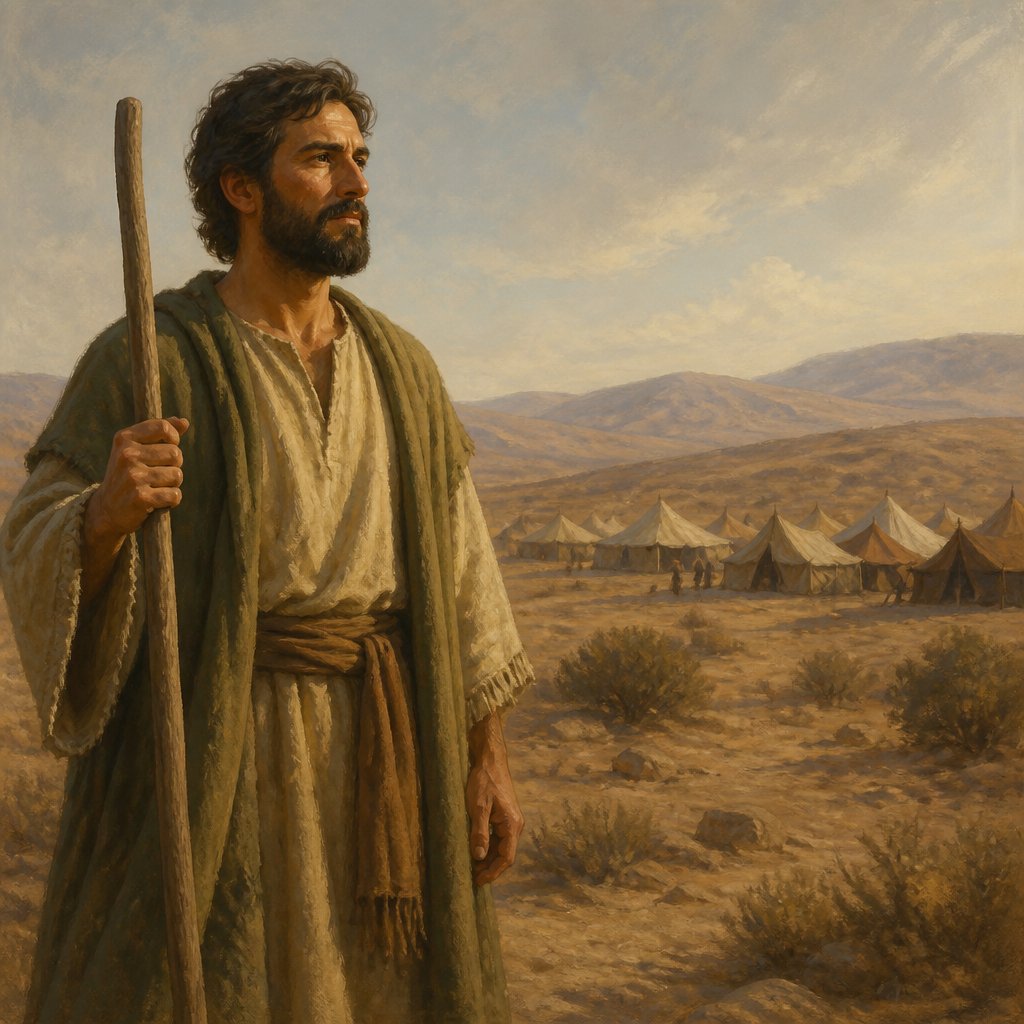
When we turn to Numbers 13:4, we are presented with a seemingly straightforward statement: “And these were their names: of the tribe of Reuben, Shammua the son of Zaccur.” At first glance, it may appear as though such a verse is merely a list, an account of names that might easily be skimmed over. Yet, as we reflect more deeply, we uncover layers of significance that resonate with our spiritual journeys today.
The context of this verse is pivotal. The Israelites stood at the threshold of the Promised Land, poised to receive the inheritance God had prepared for them. In this crucial moment, Moses sent twelve spies, one from each tribe, including Shammua from the tribe of Reuben, to scout the land ahead. This expedition was not just a military reconnaissance; it was a divine leadership challenge and a moment for the people of Israel to assess their faith. Each name listed in this chapter carries weight, and Shammua’s inclusion reminds us that our identity and heritage are often intertwined with our faith journey.
The tribe of Reuben was the firstborn of Jacob and Leah, holding a position of prominence among the tribes of Israel. Yet, Reuben’s story is not one of unbroken faithfulness; he was marred by his own mistakes and failures, notably the act of dishonoring his father (Genesis 35:22). This backdrop amplifies the significance of Shammua’s role as a representative of Reuben. Despite past failures and the shadows of history, God’s call to leadership and mission persists. God uses imperfect people, those whose stories include both success and failure, to fulfill His divine purposes.
So, who exactly was Shammua? The Hebrew name Shammua translates to “heard” or “to be heard.” This is profound in its implications. To be ‘heard’ is to acknowledge not only our individual stories and struggles but also the broader narrative that God is weaving through His people. As spy of the land, Shammua was tasked with assessing not just the physical attributes of Canaan but also gauging the spiritual disposition of Israel. He was called to be a voice whose report could inspire faith or sow fear.
In our own lives, we are often faced with choices that echo Shammua’s moment. Are we willing to stand up and ‘be heard’? In a world rife with challenges and uncertainties, do we choose to speak faith over fear, hope over despair? Whether through big moments or everyday encounters, God calls each one of us to represent Him, just as Shammua was chosen from the tribe of Reuben.
Moreover, Shammua isn’t just a name; he stands as a reminder that in God’s design, every person has a role, no matter their background. Just as the names of the spies underscore the diversity and unity of God’s people, each of us carries a name that contributes to God’s larger story. We must carry our names with honor—the name given to us in the heavenly registers and those we’ve inherited from our families.
As we journey through our modern wilderness, let us reflect: What does our name represent? Are we living in a way that our lives testify to God’s faithfulness? Do we choose to believe and proclaim the goodness of our God in the face of giants, just as the spies would soon confront in the land of Canaan?
The narrative of Numbers encourages us that no matter who we are or what we have done, God still calls us by name to be part of His divine mission. Let Shammua, the son of Zaccur, remind us that God hears us and desires us to be a voice for Him in our world. May we, too, be inspired to live lives that are not just 'heard,' but deeply impactful in our testimony for Christ.
Get our apps


Artwork for Numbers 13:4

Numbers 13:4 - "And these were their names: of the tribe of Reuben, Shammua the son of Zaccur."
"And these were their names: of the tribe of Reuben, Shammua the son of Zaccur." - Numbers 13:4

Numbers 4:13 - "And they shall take away the ashes from the altar, and spread a purple cloth thereon:"
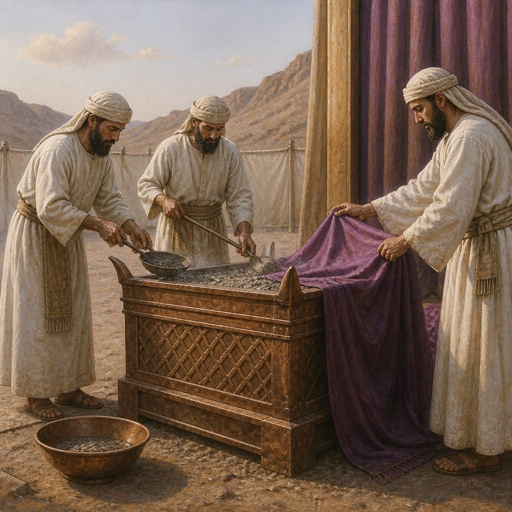
"And they shall take away the ashes from the altar, and spread a purple cloth thereon:" - Numbers 4:13

Numbers 13:13 - "Of the tribe of Asher, Sethur the son of Michael."

Numbers 23:1-13

"Of the tribe of Asher, Sethur the son of Michael." - Numbers 13:13
Numbers 1:13 - "Of Asher; Pagiel the son of Ocran."

Numbers 13:10 - "Of the tribe of Zebulun, Gaddiel the son of Sodi."

Numbers 13:6 - "Of the tribe of Judah, Caleb the son of Jephunneh."

Numbers 13:8 - "Of the tribe of Ephraim, Oshea the son of Nun."

Numbers 33:13 - "And they departed from Dophkah, and encamped in Alush."

Numbers 4:7

Numbers 13:9 - "Of the tribe of Benjamin, Palti the son of Raphu."

Numbers 13:5 - "Of the tribe of Simeon, Shaphat the son of Hori."

Numbers 13:1 - "And the LORD spake unto Moses, saying,"

Numbers 13:15 - "Of the tribe of Gad, Geuel the son of Machi."

Numbers 13:12 - "Of the tribe of Dan, Ammiel the son of Gemalli."

Numbers 13:7 - "Of the tribe of Issachar, Igal the son of Joseph."

Numbers 13:14 - "Of the tribe of Naphtali, Nahbi the son of Vophsi."

Numbers 4:8

Numbers 26:13 - "Of Zerah, the family of the Zarhites: of Shaul, the family of the Shaulites."

Numbers 4:4 - "This shall be the service of the sons of Kohath in the tabernacle of the congregation, about the most holy things:"

Numbers 13:25 - "And they returned from searching of the land after forty days."

Numbers 11. 4 to 6

Numbers 4:7-8

Numbers 10:13 - "And they first took their journey according to the commandment of the LORD by the hand of Moses."

Numbers 13:11 - "Of the tribe of Joseph, namely, of the tribe of Manasseh, Gaddi the son of Susi."

Numbers 2:13 - "And his host, and those that were numbered of them, were fifty and nine thousand and three hundred."

Numbers 4:24 - "This is the service of the families of the Gershonites, to serve, and for burdens:"