From Fear to Faith: Choosing Trust Over Doubt
“And wherefore hath the LORD brought us unto this land, to fall by the sword, that our wives and our children should be a prey? were it not better for us to return into Egypt?” — Numbers 14:3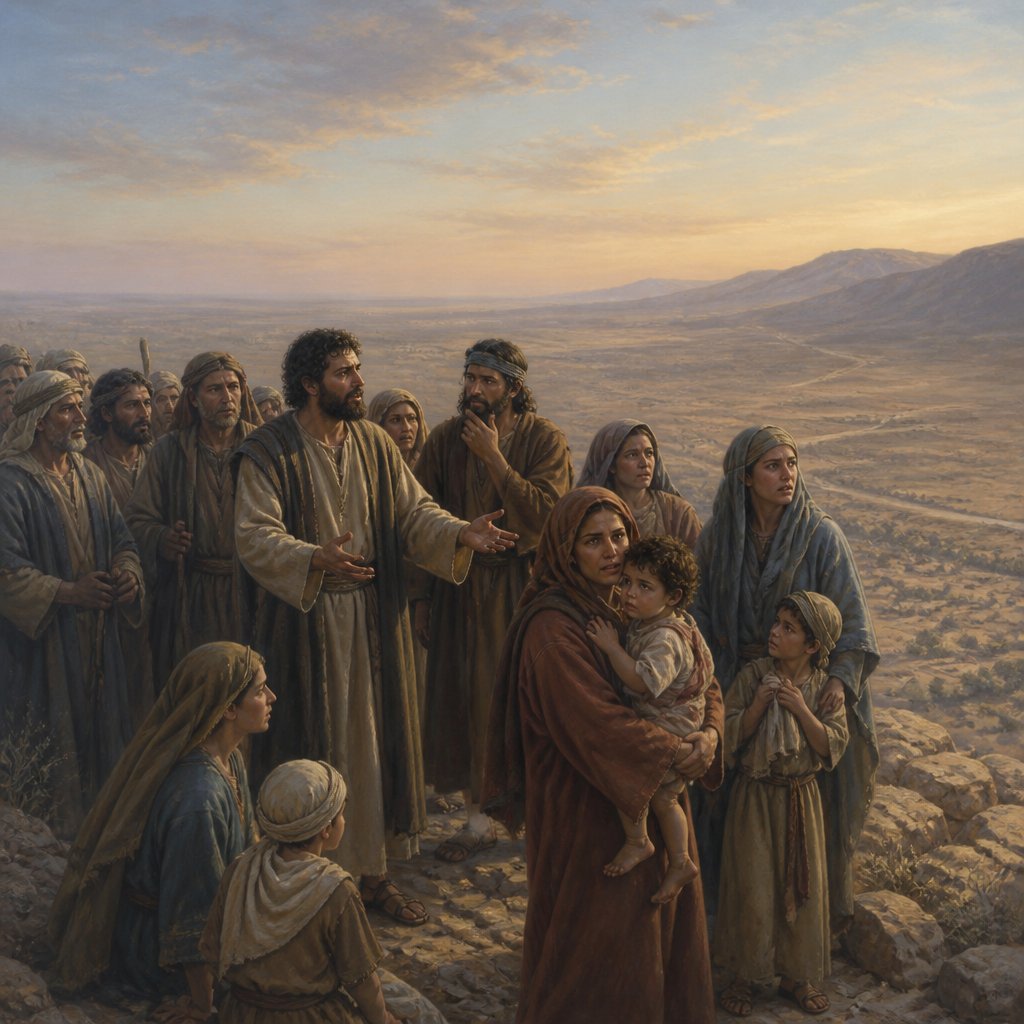
As we delve into the profound statement from Numbers 14:3, we encounter a moment of deep despair and doubt expressed by the Israelites: "And wherefore hath the LORD brought us unto this land, to fall by the sword, that our wives and our children should be a prey? were it not better for us to return into Egypt?" This passage encapsulates the struggles of the human heart when faced with overwhelming obstacles and uncertainty.
The Israelites were poised at the threshold of the Promised Land, a place that symbolized hope, fulfillment, and God’s promise. However, upon hearing the report from the spies about the daunting inhabitants of the land, fear took root in their hearts. The vivid image of their wives and children being left vulnerable while they potentially fell by the sword skewed their perspective. In this critical moment, they chose to prioritize fear over faith, longing for the comfort of their old lives in Egypt, despite the bondage that it represented.
This verse serves as a poignant reminder of how easily doubt can overshadow the clear vision of God’s promises. We often find ourselves in similar situations when faced with formidable challenges in life. Whether it’s the fear of financial instability, health issues, or relationship strain, our instinct can pull us back to what is familiar and seemingly safe, even when that past was fraught with difficulty and despair. The Israelites' yearning to return to Egypt signifies the human tendency to cling to the past rather than move forward into the uncertainty of God’s plan.
When we ask, "Why has the LORD brought us to this place?" it is not uncommon to be met with silence or a delay in answers. In these moments, our faith encounters testing. We grapple with our understanding of God’s character and promises. But, similar to the Israelites, if we allow fear to guide our decisions instead of faith, we risk missing out on the blessings that God has in store for us. Recognizing this makes it essential to confront our doubts with the truth of God’s Word and character.
The Israelites questioned God's motives, suggesting that He had brought them out merely to harm them. This drastic mischaracterization reveals the distance between their understanding and the truth of God's loving guidance. In Jeremiah 29:11, God asserts, "For I know the thoughts that I think toward you, saith the LORD, thoughts of peace, and not of evil, to give you an expected end.” God does not lead us into difficult circumstances with the intention of harm. Instead, He desires our growth, our spiritual maturity, and a faith that endures.
When facing our proverbial giants, how can we reshape our questions from doubt into trust? One practical step is to recount the times we experienced God’s faithfulness in the past. When the Israelites echoed the cries of their ancestors who had found themselves trapped in slavery, they forfeited the chance to remember the miraculous deliverance from Egypt, the parting of the Red Sea, and the provision in the wilderness.
Additionally, prayer and community are invaluable. Surrounding ourselves with fellow believers who can remind us of God's faithfulness and encourage us in prayer enables us to bolster our faith. In moments of uncertainty, we can challenge each other to look ahead—the promised land is not without its giants, but it is also filled with God’s unwavering presence and provision.
As we navigate our own journeys, let us endeavor to turn our questions of doubt into declarations of faith. Let us refuse to return to the bondage of doubt and fear, but instead march forward, bolstered by the truth of God’s promise. The wilderness is not the end of the story; it can be the training ground for faith as we step into God’s perfect will, trusting that He holds our lives—wives, children, and all—in His capable hands.
Get our apps


Artwork for Numbers 14:3

Numbers 14:3 - "And wherefore hath the LORD brought us unto this land, to fall by the sword, that our wives and our children should be a prey? were it not better for us to return into Egypt?"
"And wherefore hath the LORD brought us unto this land, to fall by the sword, that our wives and our children should be a prey? were it not better for us to return into Egypt?" - Numbers 14:3

Numbers 3:14 - "¶ And the LORD spake unto Moses in the wilderness of Sinai, saying,"

numbers 21:8-9 & John 3:14
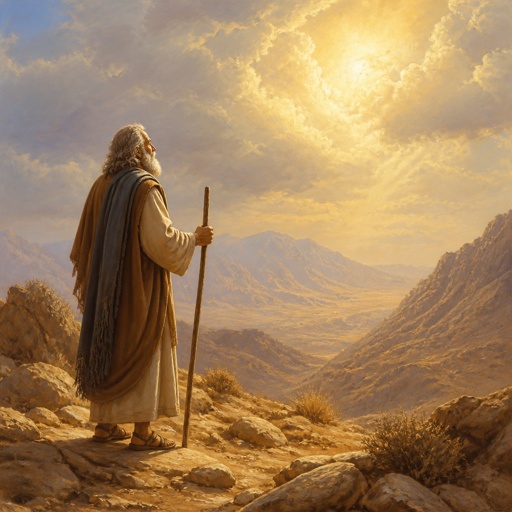
"¶ And the LORD spake unto Moses in the wilderness of Sinai, saying," - Numbers 3:14

Numbers 14:8

Numbers 14:8

Numbers 14:8

Ending scene of numbers 14

numbers 31:14-15

Numbers 1:14 - "Of Gad; Eliasaph the son of Deuel."

Numbers 13:14 - "Of the tribe of Naphtali, Nahbi the son of Vophsi."

Numbers 14:32 - "But as for you, your carcases, they shall fall in this wilderness."

Scene from numbers 14:45

Numbers 3:41

Numbers 18:14 - "Every thing devoted in Israel shall be thine."

Numbers 7:14 - "One spoon of ten shekels of gold, full of incense:"

Numbers 26:14 - "These are the families of the Simeonites, twenty and two thousand and two hundred."

Numbers 14:26 - "¶ And the LORD spake unto Moses and unto Aaron, saying,"

Numbers 14:20 - "And the LORD said, I have pardoned according to thy word:"

Numbers 14:21 - "But as truly as I live, all the earth shall be filled with the glory of the LORD."

Numbers 3:16 - "And Moses numbered them according to the word of the LORD, as he was commanded."

Numbers 19:14-19 Touching a dead is unclean

Numbers 3:3 - "These are the names of the sons of Aaron, the priests which were anointed, whom he consecrated to minister in the priest's office."

Numbers 14:1 - "And all the congregation lifted up their voice, and cried; and the people wept that night."

Numbers 33:14 - "And they removed from Alush, and encamped at Rephidim, where was no water for the people to drink."

Numbers 2:14 - "Then the tribe of Gad: and the captain of the sons of Gad shall be Eliasaph the son of Reuel."
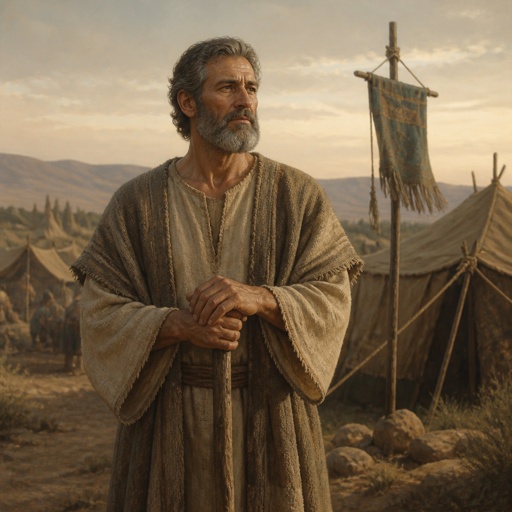
"Of Gad; Eliasaph the son of Deuel." - Numbers 1:14

Numbers 3:5 - "¶ And the LORD spake unto Moses, saying,"

Numbers 3:44 - "¶ And the LORD spake unto Moses, saying,"