The Aroma of Our Offerings: A Reflection on Numbers 15:13
“All that are born of the country shall do these things after this manner, in offering an offering made by fire, of a sweet savour unto the LORD.” — Numbers 15:13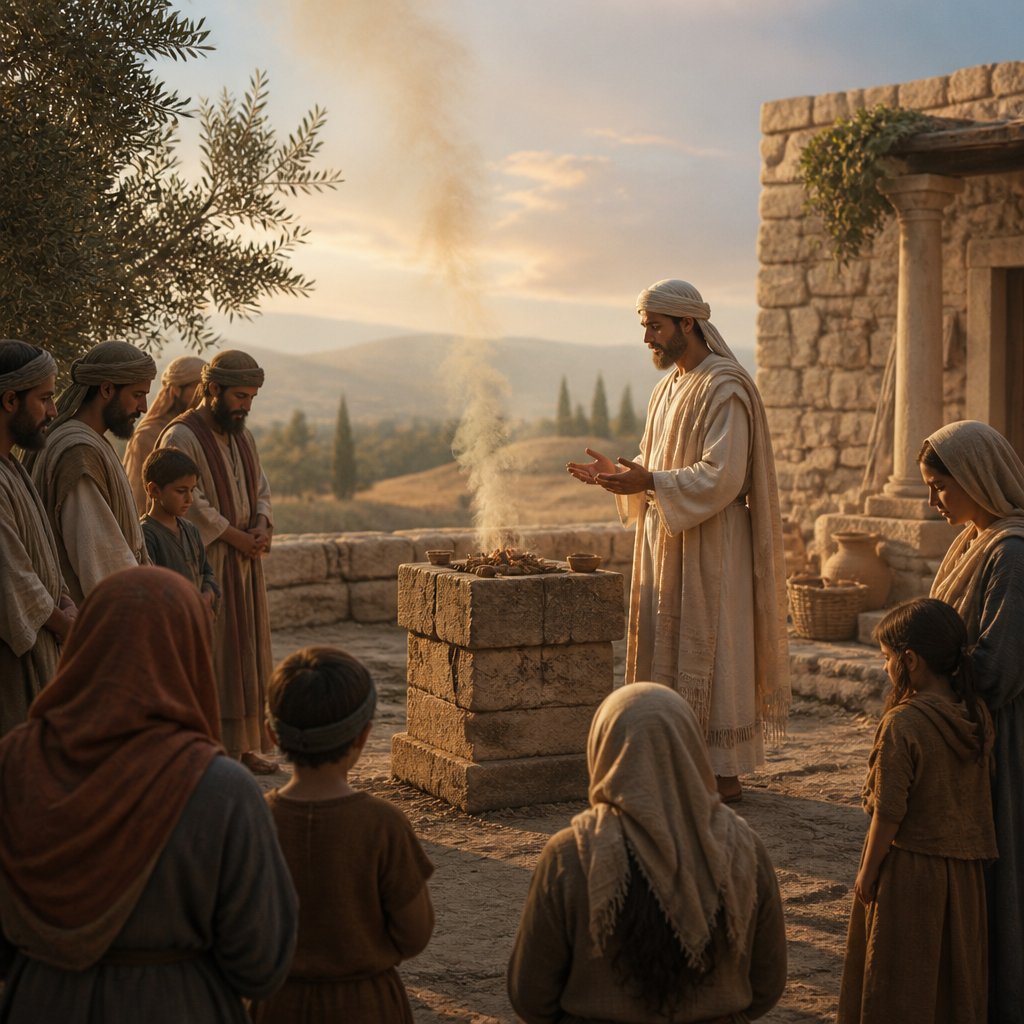
The Book of Numbers has often been seen as a book of laws and regulations, a ledger of the Israelites’ wanderings and their covenant with God amidst the desert plains. Numbers 15:13 provides a glimpse into the importance of offerings and the manner in which they are to be made: "All that are born of the country shall do these things after this manner, in offering an offering made by fire, of a sweet savour unto the LORD." This verse, rich in imagery and profound implication, calls us to reflect on what it means to offer our lives to God.
To understand this verse, we must first grapple with the context in which it was given. The Israelites, fresh out of bondage in Egypt, were on a journey toward the Promised Land. They were a people learning to worship God within their covenant relationship—a relationship bound by laws designed to uphold holiness and reverence. The directives about offerings stemmed from a desire for the Israelites to understand their place before God and the importance of their offerings.
The phrase "made by fire" signifies that the offerings were not merely rituals performed mechanically, but rather a heart-driven act meant to please the Lord. Fire symbolized purification and transformation; it consumed the offerings, releasing fragrant aromas that were pleasing to God. Here, we recall that our spiritual offerings are not just about the physical act but their intention and the heart behind them.
In our contemporary Christian walk, we may not present physical offerings upon an altar as did the Israelites. However, we are called to make spiritual offerings each day. Romans 12:1 echoes this sentiment, urging believers to present their bodies as living sacrifices, holy and acceptable to God, which is our reasonable service. The echoes of Numbers 15:13 remind us that God desires our lives to be an offering—one that is pleasing and sweet in His sight.
Consider the phrase "sweet savour unto the LORD." This denotes a quality of the offering that God finds acceptable. The aroma represents not only the physical smoke rising from the altar but also symbolizes the outward expression of an inward life aligned with God’s will. When our lives reflect love, obedience, faithfulness, and joy, the fragrance of our offering ascends to God as a sweet savor. Conversely, when our offerings consist of bitterness, apathy, or insincerity, they can become unpleasant in His eyes.
It is poignant to note that the command was specific to those "born of the country"—indicating that the offerings were for those in a covenant relationship with God, which is equally applicable to us today as believers. We are called to keep our covenant with God, to offer Him our best, and to rejoice in that giving.
As we reflect on our own offerings and how we present them to God, let us examine our lives. Do we present ourselves with the same intention of beauty and sweetness that was commanded in ancient Israel? When we pray, do our prayers ascend to Him filled with worship and thanksgiving? When we serve others, is it done from a heart full of love? In all we do, are we seeking to create a sweet aroma that pleases our Lord?
In conclusion, Numbers 15:13 invites us to examine the nature of our relationship with God and our commitment to serving Him. Let our lives serve as living sacrifices, our actions reflect His love, and our hearts be wholly surrendered. As we draw nearer to God with genuine offerings, we embrace the assurance that our lives can indeed rise as a sweet aroma to Him, fulfilling the essence of worship that He seeks from each of His children.
Get our apps


Artwork for Numbers 15:13

Numbers 15:13 - "All that are born of the country shall do these things after this manner, in offering an offering made by fire, of a sweet savour unto the LORD."

"All that are born of the country shall do these things after this manner, in offering an offering made by fire, of a sweet savour unto the LORD." - Numbers 15:13

Numbers 13:15 - "Of the tribe of Gad, Geuel the son of Machi."

"Of the tribe of Gad, Geuel the son of Machi." - Numbers 13:15

Numbers 13:13 - "Of the tribe of Asher, Sethur the son of Michael."

Numbers 12 15

Numbers 11:15

Numbers 1:15 - "Of Naphtali; Ahira the son of Enan."

numbers 31:14-15

Numbers 23:1-13

Numbers 27:15 - "¶ And Moses spake unto the LORD, saying,"

Numbers 15:17 - "¶ And the LORD spake unto Moses, saying,"

Numbers 15:37 - "¶ And the LORD spake unto Moses, saying,"

"Of the tribe of Asher, Sethur the son of Michael." - Numbers 13:13

Numbers 1:13 - "Of Asher; Pagiel the son of Ocran."

Numbers 15:1 - "And the LORD spake unto Moses, saying,"

Numbers 13:10 - "Of the tribe of Zebulun, Gaddiel the son of Sodi."

Numbers 13:6 - "Of the tribe of Judah, Caleb the son of Jephunneh."

Numbers 13:8 - "Of the tribe of Ephraim, Oshea the son of Nun."

Numbers 33:13 - "And they departed from Dophkah, and encamped in Alush."

Numbers 13:9 - "Of the tribe of Benjamin, Palti the son of Raphu."

Numbers 13:5 - "Of the tribe of Simeon, Shaphat the son of Hori."

Numbers 13:1 - "And the LORD spake unto Moses, saying,"

Numbers 13:12 - "Of the tribe of Dan, Ammiel the son of Gemalli."

Numbers 13:7 - "Of the tribe of Issachar, Igal the son of Joseph."

Numbers 13:14 - "Of the tribe of Naphtali, Nahbi the son of Vophsi."

Numbers 33:15 - "And they departed from Rephidim, and pitched in the wilderness of Sinai."

Numbers 26:13 - "Of Zerah, the family of the Zarhites: of Shaul, the family of the Shaulites."

Numbers 29:15 - "And a several tenth deal to each lamb of the fourteen lambs:"

Numbers 10:15 - "And over the host of the tribe of the children of Issachar was Nethaneel the son of Zuar."