Atonement in the Midst of Wrath: The Intercession of Aaron
“And Moses said unto Aaron, Take a censer, and put fire therein from off the altar, and put on incense, and go quickly unto the congregation, and make an atonement for them: for there is wrath gone out from the LORD; the plague is begun.” — Numbers 16:46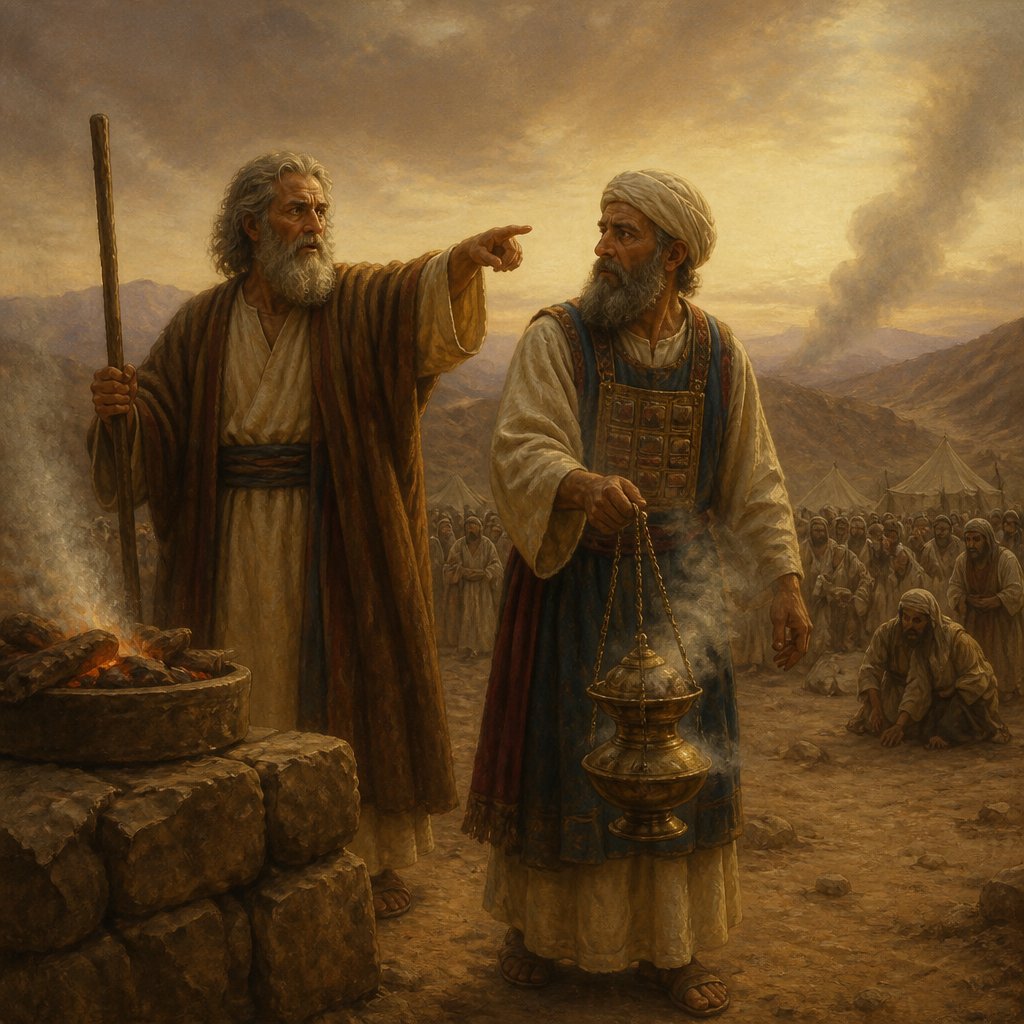
In Numbers 16:46, we read a poignant scene in which Moses gives urgent instructions to Aaron: "And Moses said unto Aaron, Take a censer, and put fire therein from off the altar, and put on incense, and go quickly unto the congregation, and make an atonement for them: for there is wrath gone out from the LORD; the plague is begun" (KJV). This verse captures a moment of intense desperation, requiring swift action and deep faith, as the consequences of sin unfold among the people of Israel.
To fully appreciate the significance of this passage, we must consider the backdrop of rebellion that precipitated this chaos. The Israelites had turned against Moses and Aaron, questioning their leadership and rebelling against God’s appointed order. In their complaint and discontent, they not only rejected the authority of God but also positioned themselves against His holy nature. As a result, God unleashed His wrath, a plague that began to wreak havoc amongst them. It was a visible consequence of their sin, highlighting the seriousness of disobedience.
Moses, as the leader appointed by God, understood the gravity of the situation. There was not a moment to lose. He instructs Aaron to take up the censer—a vessel commonly used for burning incense, often representing prayers ascending to God. The censer, filled with burning coals from the altar, symbolizes the divine presence and the sacrifice necessary for atonement. The altar represents the place where sins are dealt with, where forgiveness is invoked through sacrifice.
Herein lies one of the profound truths of this narrative: the desperate need for atonement. The swift movement of Aaron towards the congregation is not merely a physical act; it is emblematic of God’s desire for reconciliation. The very act of taking fire from the altar and burning incense represents a channel through which God’s mercy can flow to a people in dire need. Aaron’s movement illustrates the urgency and effectiveness of intercessory prayer. He quickly engages in the act of reconciliation, showing us that when faced with imminent judgment, we must act with purpose and zeal.
Imagine Aaron's heart racing as he hastily prepares the censer. As he positions himself between the living and the dead, he embodies the role of a mediator. This foreshadows the ultimate intercessor—Jesus Christ, who would stand in the gap for humanity, taking upon Himself the full weight of God’s wrath on the cross. Just like Aaron, Jesus would use the fire of God’s love, burning brightly to atone for our sins, providing a means to escape the deserved judgment.
What can we learn from this scene? Firstly, we must recognize the seriousness of sin and its consequences. The plague symbolically serves as a reminder that sin creates separation, death, and chaos. Our lives, like those of the Israelites, often find us in places of complaint and rebellion, leading us away from God’s goodness. Yet even in the wake of our shortcomings, God’s heart is always drawn toward restoration.
Secondly, we are called to intercede for one another. Just as Aaron did not hesitate to act on behalf of his people, we too are called to bear one another’s burdens in prayer, seeking atonement and mercy amidst the struggles of our communities. Are we quick to take up the censer of prayer, to approach the altar seeking atonement for those around us? The world is rife with difficulties; we must be the hands and feet of Jesus, ushering in mercy through prayer and action.
Lastly, this passage beckons us to remain aware of God’s anger towards sin, but also His unfathomable grace that invites us back into fellowship. In moments of rebellion, we can approach the altar of prayer, beseeching God for atonement. Jesus, our advocate, stands at the right hand of the Father, constantly interceding for us. Let us never forget the incredible cost of His love that allows us to find mercy and grace.
In conclusion, as we reflect on Numbers 16:46, let us be inspired by Aaron's swift and faithful response to Moses’ command. We find hope in God’s willingness to restore and redeem, even amid our most chaotic moments. May we boldly bring our prayers to the altar, standing in the gap for ourselves and others, and may we always pursue lives marked by reconciliation and grace.
Get our apps


Artwork for Numbers 16:46

Numbers 16:46 - "¶ And Moses said unto Aaron, Take a censer, and put fire therein from off the altar, and put on incense, and go quickly unto the congregation, and make an atonement for them: for there is wrath gone out from the LORD; the plague is begun."
"¶ And Moses said unto Aaron, Take a censer, and put fire therein from off the altar, and put on incense, and go quickly unto the congregation, and make an atonement for them: for there is wrath gone out from the LORD; the plague is begun." - Numbers 16:46

Numbers 31:46 - "And sixteen thousand persons;)"

Numbers 26:46 - "And the name of the daughter of Asher was Sarah."

Numbers 33:46 - "And they removed from Dibon-gad, and encamped in Almon-diblathaim."

Numbers 7:46 - "One kid of the goats for a sin offering:"

"And sixteen thousand persons;)" - Numbers 31:46

Numbers 1:46 - "Even all they that were numbered were six hundred thousand and three thousand and five hundred and fifty."

"One kid of the goats for a sin offering:" - Numbers 7:46

"And the name of the daughter of Asher was Sarah." - Numbers 26:46

Numbers 3:46 - "And for those that are to be redeemed of the two hundred and threescore and thirteen of the firstborn of the children of Israel, which are more than the Levites;"

Numbers 4:46 - "All those that were numbered of the Levites, whom Moses and Aaron and the chief of Israel numbered, after their families, and after the house of their fathers,"

Genesis 46:16 - "¶ And the sons of Gad; Ziphion, and Haggi, Shuni, and Ezbon, Eri, and Arodi, and Areli."

"And they removed from Dibon-gad, and encamped in Almon-diblathaim." - Numbers 33:46

Ezekiel 46:16 - "¶ Thus saith the Lord GOD; If the prince give a gift unto any of his sons, the inheritance thereof shall be his sons'; it shall be their possession by inheritance."

Numbers 16:18
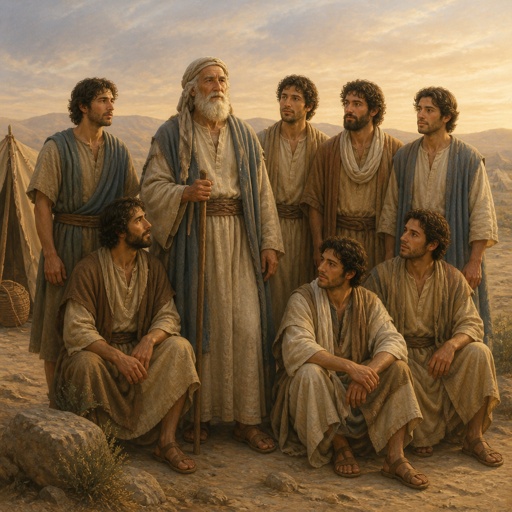
"¶ And the sons of Gad; Ziphion, and Haggi, Shuni, and Ezbon, Eri, and Arodi, and Areli." - Genesis 46:16

Numbers 11:16-26
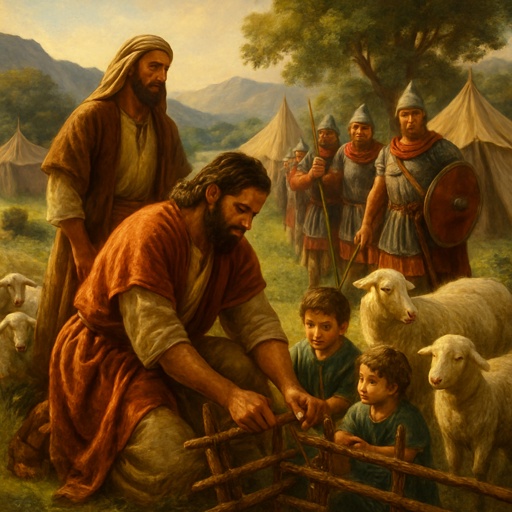
Numbers 32:16-18
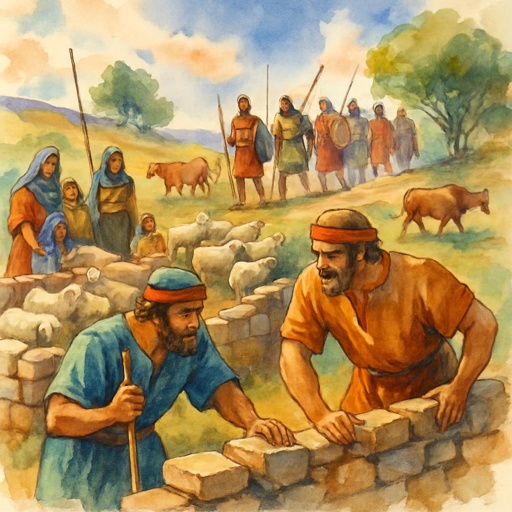
Numbers 32:16-18
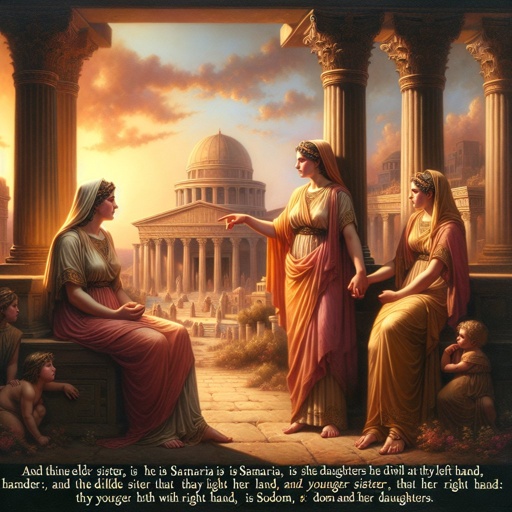
Ezekiel 16:46 - "And thine elder sister is Samaria, she and her daughters that dwell at thy left hand: and thy younger sister, that dwelleth at thy right hand, is Sodom and her daughters."

Numbers 16:16 - "And Moses said unto Korah, Be thou and all thy company before the LORD, thou, and they, and Aaron, to morrow:"
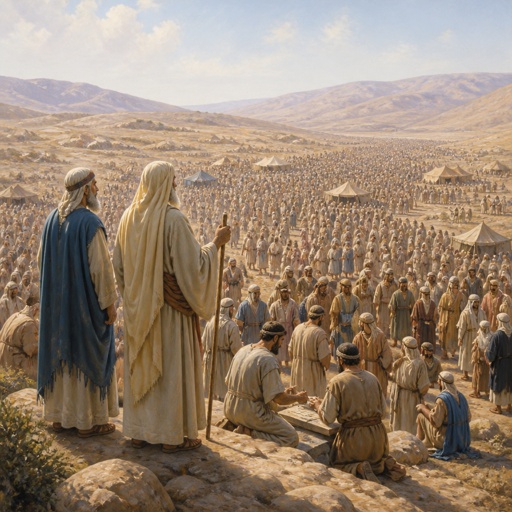
"Even all they that were numbered were six hundred thousand and three thousand and five hundred and fifty." - Numbers 1:46

Numbers 25:16 - "¶ And the LORD spake unto Moses, saying,"

Numbers 7:16 - "One kid of the goats for a sin offering:"

Numbers 34:16 - "And the LORD spake unto Moses, saying,"

Numbers 3:16 - "And Moses numbered them according to the word of the LORD, as he was commanded."

Numbers 16:36 - "¶ And the LORD spake unto Moses, saying,"

Numbers 16:23 - "¶ And the LORD spake unto Moses, saying,"

Numbers 16:44 - "¶ And the LORD spake unto Moses, saying,"