The Fruits of First Ripe: Offering Our Best to God
“And whatsoever is first ripe in the land, which they shall bring unto the LORD, shall be thine; every one that is clean in thine house shall eat of it.” — Numbers 18:13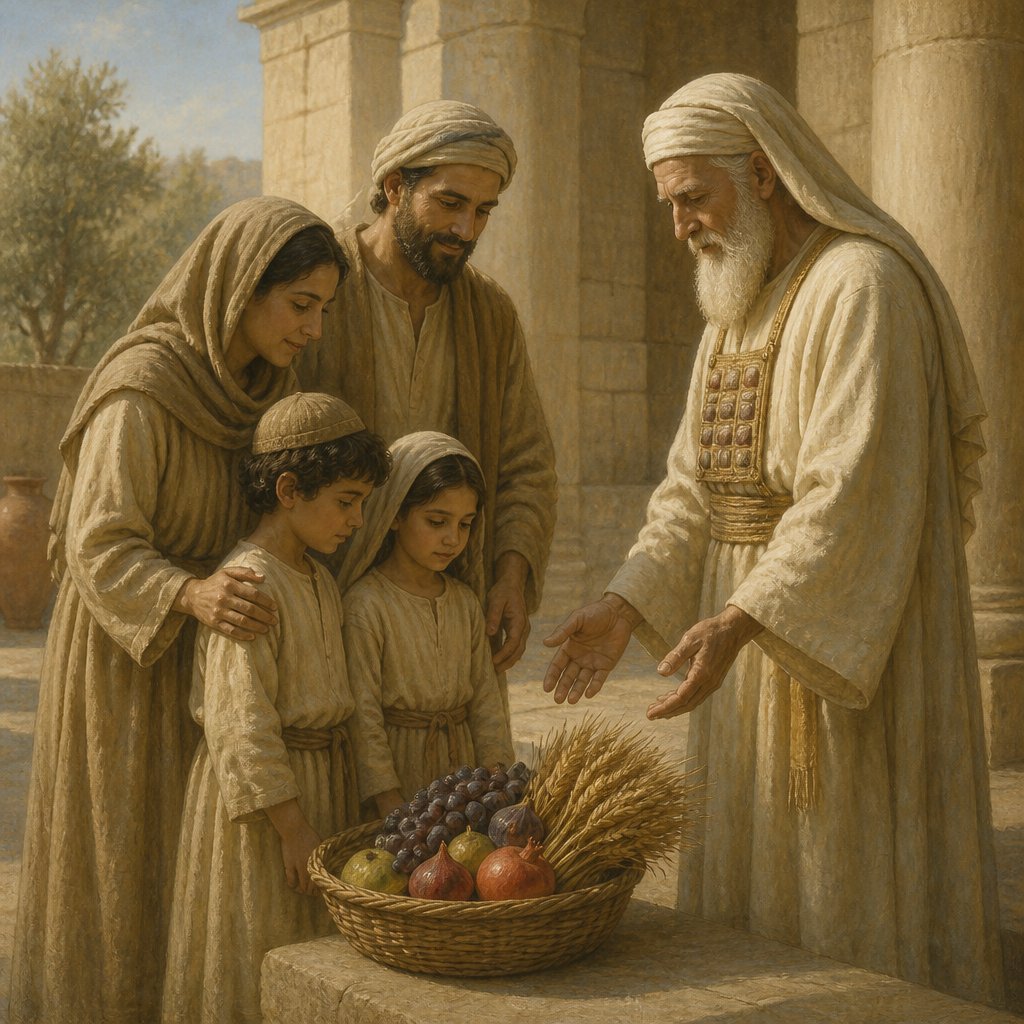
The principle of offering the first fruits to God is deeply woven into the fabric of biblical teachings. Numbers 18:13 declares, "And whatsoever is first ripe in the land, which they shall bring unto the LORD, shall be thine; every one that is clean in thine house shall eat of it.” This verse encapsulates the act of returning to God a portion of what He has blessed us with, emphasizing the importance of giving Him the first and the best.
In the ancient agrarian society of Israel, the concept of the first fruits was not merely a tradition; it was a divine mandate that symbolized gratitude and acknowledgement of God's provision. When the first fruits of the harvest were offered to God, the Israelites recognized that everything they had came from Him. This act was an expression of faith, a public declaration that they depended on the Lord for their sustenance and well-being. The first fruits represented not just the ‘first’ harvested but the ‘best’—the ripest, the most desirable produce, reflecting their love and honor towards God.
When we delve into the implications of this scripture, we discover that it serves as a reminder for us to recognize God in our daily blessings. In our fast-paced, materialistic world, we can easily become consumed by the desire for more, equating our self-worth with our possessions. Yet, God asks us to prioritize our relationship with Him above all else. Offering our first fruits may manifest itself in various ways today—whether it's through our time, talents, or treasure—what matters is the intent of our hearts.
First fruits signify a profound faith—it is easy to bring God what we have left over after tending to our own needs. However, true devotion requires us to trust God enough to give Him our best right away. It’s an act of worship, a conscious decision to place God first in all aspects of our lives. When we decide to dedicate our first fruits to Him, we are affirming that He is central to our existence and that we recognize His sovereignty.
Moreover, Numbers 18:13 emphasizes the communal nature of this practice. It states, “every one that is clean in thine house shall eat of it.” This aspect highlights that the blessings we bring before God not only nourish our relationship with Him but also benefit those in our lives. Our offerings can encourage, uplift, and provide for those around us. When we act selflessly, sharing the abundance we receive, we reflect God’s generosity, thereby becoming conduits of His grace.
As we pursue our spiritual journeys, we ought to ask ourselves: What are the first fruits in our lives? Is it the first part of our day spent in prayer and reflection? Is it our best effort in the work we commit to God? Or perhaps it is our talents and gifts we place at the altar of His service? Each reflection leads us to an essential realization, that God desires our hearts, not just our offerings.
Let us not forget that the act of offering first fruits also builds a deeper relationship with God rooted in trust and faith. When we give our best, we step into a covenant with God, agreeing to acknowledge Him in all our ways (Proverbs 3:6). Thus, when we sow our first fruits into our worship, we reap a harvest of righteousness and abundant blessings.
Ultimately, Numbers 18:13 invites us to reconsider how we prioritize our lives. When we give God the first and the best, we set the tone for how we experience His blessings. Thus, let us cultivate a heart that eagerly anticipates giving the first ripe in our lives to the LORD, knowing that He blesses those who honor Him first.
Get our apps


Artwork for Numbers 18:13
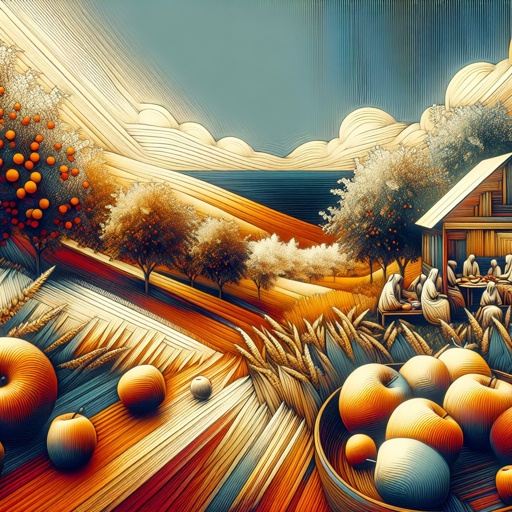
Numbers 18:13 - "And whatsoever is first ripe in the land, which they shall bring unto the LORD, shall be thine; every one that is clean in thine house shall eat of it."
"And whatsoever is first ripe in the land, which they shall bring unto the LORD, shall be thine; every one that is clean in thine house shall eat of it." - Numbers 18:13

Numbers 13:18 - "And see the land, what it is; and the people that dwelleth therein, whether they be strong or weak, few or many;"
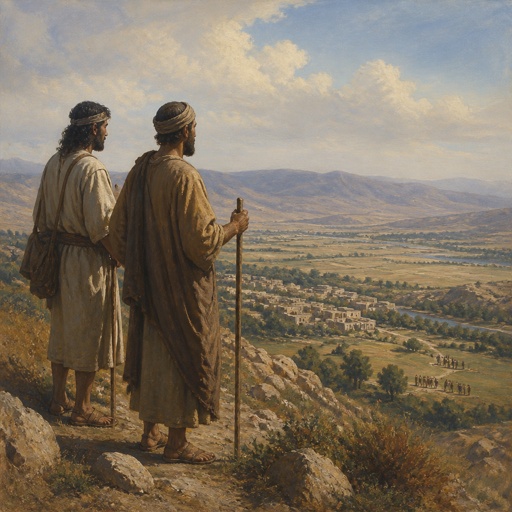
"And see the land, what it is; and the people that dwelleth therein, whether they be strong or weak, few or many;" - Numbers 13:18

Numbers 13:13 - "Of the tribe of Asher, Sethur the son of Michael."

Numbers 16:18

Numbers 18:18 - "And the flesh of them shall be thine, as the wave breast and as the right shoulder are thine."
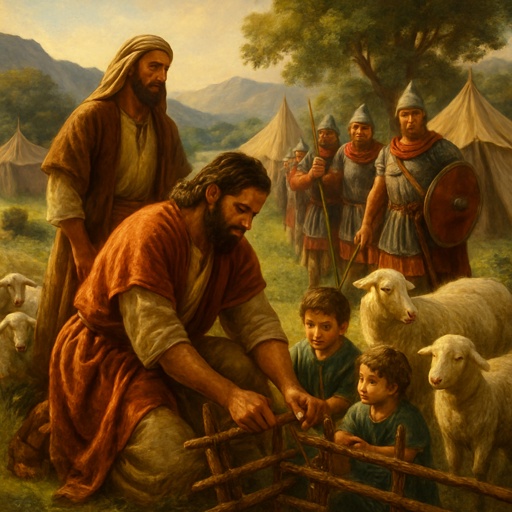
Numbers 32:16-18
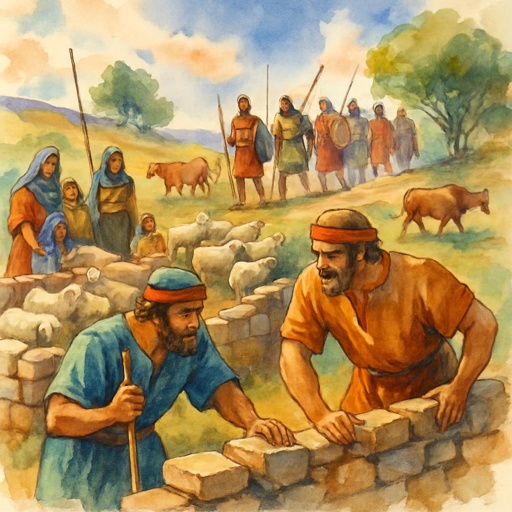
Numbers 32:16-18

Numbers 33:18 - "And they departed from Hazeroth, and pitched in Rithmah."

Numbers 18:25 - "¶ And the LORD spake unto Moses, saying,"

Numbers 23:1-13

Numbers 18:14 - "Every thing devoted in Israel shall be thine."

Numbers 3:18 - "And these are the names of the sons of Gershon by their families; Libni, and Shimei."

Luke 13:18-19

Luke 13:18-19

"Of the tribe of Asher, Sethur the son of Michael." - Numbers 13:13

Numbers 1:13 - "Of Asher; Pagiel the son of Ocran."

Numbers 13:6 - "Of the tribe of Judah, Caleb the son of Jephunneh."

Numbers 13:10 - "Of the tribe of Zebulun, Gaddiel the son of Sodi."

Numbers 33:13 - "And they departed from Dophkah, and encamped in Alush."

Numbers 13:8 - "Of the tribe of Ephraim, Oshea the son of Nun."

Numbers 13:9 - "Of the tribe of Benjamin, Palti the son of Raphu."

Numbers 13:5 - "Of the tribe of Simeon, Shaphat the son of Hori."

Numbers 13:1 - "And the LORD spake unto Moses, saying,"

Numbers 13:15 - "Of the tribe of Gad, Geuel the son of Machi."

Numbers 13:12 - "Of the tribe of Dan, Ammiel the son of Gemalli."

Numbers 13:7 - "Of the tribe of Issachar, Igal the son of Joseph."

Numbers 13:14 - "Of the tribe of Naphtali, Nahbi the son of Vophsi."

Be hostile to the medianites numbers 25:16-18