The Purification Process: A Journey to Wholeness
“And for an unclean person they shall take of the ashes of the burnt heifer of purification for sin, and running water shall be put thereto in a vessel:” — Numbers 19:17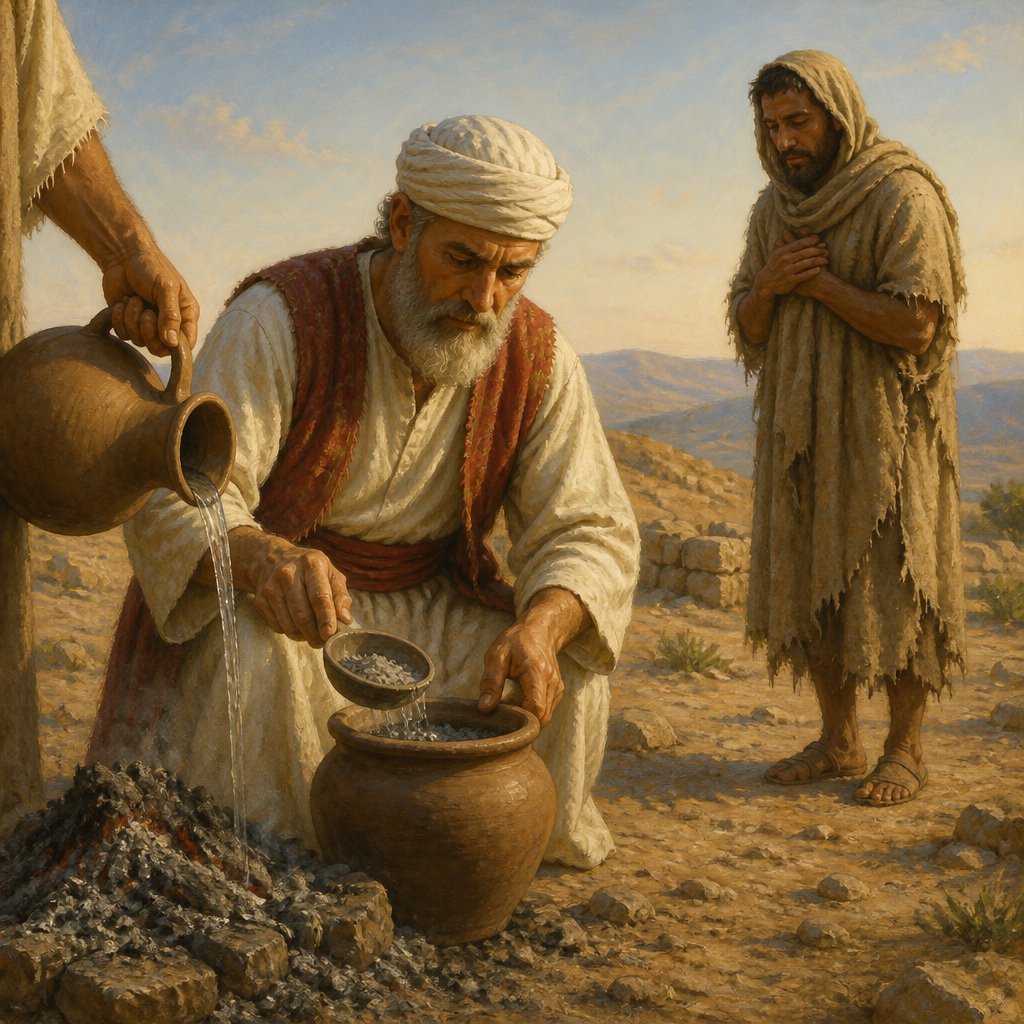
Numbers 19:17 states, "And for an unclean person they shall take of the ashes of the burnt heifer of purification for sin, and running water shall be put thereto in a vessel." This passage, nestled within the intricate laws given to the Israelites, reflects a deeper reality about human nature, our need for cleansing, and the relationship with the Holy God.
At first glance, the verse may appear perplexing and distant from a contemporary understanding of spirituality. Ashes, burnt heifers, and the meticulous ritual of purification seem archaic and rooted in a covenant that many deem irrelevant to modern Christian life. However, as we delve deeper, we uncover profound truths behind this seemingly obscure scripture.
In Israelite culture, cleanliness extended beyond physical appearance to encompass spiritual and moral states of being. To be unclean was not merely a matter of hygiene but also a state that severed one's connection to the community of faith and the presence of God. The law prescribed purification rituals to restore individuals to a state of cleanliness, allowing them to once again participate fully in the life of God’s people.
The burnt heifer signifies sacrifice. Within the sacrificial system, animals served as substitutes for the people's sins, reflecting the weight of atonement needed for reconciliation with God. The ashes of the burnt heifer illustrate that the sacrifice, once offered, has lasting effects. The ashes symbolize the finality of the sacrifice made and the power it holds for purification. When the Israelites used the ashes, they were reminded of the seriousness of sin and its consequences. Sin renders us unclean, creating a barrier between us and God.
Next, we consider the flowing water mentioned in this verse. Water is frequently used in scripture for purification. Recall Jesus’ dialogue with the Samaritan woman when He offered her "living water" (John 4:10), which represented the fullness of life and restoration. In this context, the combination of ashes and running water creates a powerful image very similar to the grace extended to us through Christ. Specifically, it reminds us of how Christ, the ultimate sacrifice, cleanses us from rebellion and moral filth, reinstating our place among the holy.
As believers, we now understand that Jesus became our burnt heifer. His death and resurrection offer the ultimate purification, fulfilling the old covenant with a new one. When we come to Him, we bring our unclean hearts—burdened by sin, guilt, and shame. Just as the Israelites had to take the ashes and mix them with water, we need to come before Christ and allow His Spirit to wash us clean, transforming our hearts.
The act of purification signifies a transformative journey. Rather than merely being washed externally, it symbolizes an internal cleansing where God addresses the heart.
In today’s world, where perceived self-worth often hinges on external validation and moral performance, this scripture reminds us of our continual need for spiritual cleansing. We might not deal with uncleanliness in a sacrificial sense, but we wrestle with spiritual filth accumulated through our thoughts, choices, and interactions. The sacrificial love of Christ remains potent, and like those ancient rituals, we must engage actively in seeking His purifying grace.
As you reflect on this profound verse from Numbers, consider what it means for you to be cleansed. Are there areas of your life where you need to allow God’s purifying water to flow? What ashes from your past do you need to present before the Lord? Embrace the offered grace and rejoice in the fact that through Christ, you are restored, renewed, and made whole again. The journey to wholeness is ongoing; trust in His process and accept the cleansing that only He can provide.
Get our apps


Artwork for Numbers 19:17

Numbers 19:17 - "And for an unclean person they shall take of the ashes of the burnt heifer of purification for sin, and running water shall be put thereto in a vessel:"
"And for an unclean person they shall take of the ashes of the burnt heifer of purification for sin, and running water shall be put thereto in a vessel:" - Numbers 19:17

Numbers 11:17

Numbers 19:14-19 Touching a dead is unclean

Luke 10:17-19

Luke 10:17-19

Numbers 25:17 - "Vex the Midianites, and smite them:"

Numbers 15:17 - "¶ And the LORD spake unto Moses, saying,"

Genesis 17-19

Genesis 19-17

Numbers 33:17 - "And they departed from Kibroth-hattaavah, and encamped at Hazeroth."

Numbers 26:17 - "Of Arod, the family of the Arodites: of Areli, the family of the Arelites."

Numbers 17:1 - "And the LORD spake unto Moses, saying,"

Numbers 1:19 - "As the LORD commanded Moses, so he numbered them in the wilderness of Sinai."

Numbers 21:19 - "And from Mattanah to Nahaliel: and from Nahaliel to Bamoth:"

Numbers 33:19 - "And they departed from Rithmah, and pitched at Rimmon-parez."

Numbers 4:17 - "¶ And the LORD spake unto Moses and unto Aaron, saying,"

Numbers 3:17 - "And these were the sons of Levi by their names; Gershon, and Kohath, and Merari."

Numbers 3:19 - "And the sons of Kohath by their families; Amram, and Izehar, Hebron, and Uzziel."

Numbers 34:19 - "And the names of the men are these: Of the tribe of Judah, Caleb the son of Jephunneh."

Numbers 19:1 - "And the LORD spake unto Moses and unto Aaron, saying,"

Matthew 19:16-17

Philippians 3:17-19

Philippians 3:17-19

Numbers 2:19 - "And his host, and those that were numbered of them, were forty thousand and five hundred."

Numbers 1:17 - "¶ And Moses and Aaron took these men which are expressed by their names:"

Numbers 10:19 - "And over the host of the tribe of the children of Simeon was Shelumiel the son of Zurishaddai."

Numbers 17:7 - "And Moses laid up the rods before the LORD in the tabernacle of witness."

Proverbs 14:17-19 - "17: A quick-tempered person does foolish things, and the one who devises evil schemes is hated. 18: The simple inherit folly, but the prudent are crowned with knowledge. 19: Evildoers will bow down in the presence of the good, and the wicked at the gates of the righteous."

Numbers 19:15 - "And every open vessel, which hath no covering bound upon it, is unclean."