The Chosen of Zebulun: A Devotional Reflection on Numbers 1:9
“Of Zebulun; Eliab the son of Helon.” — Numbers 1:9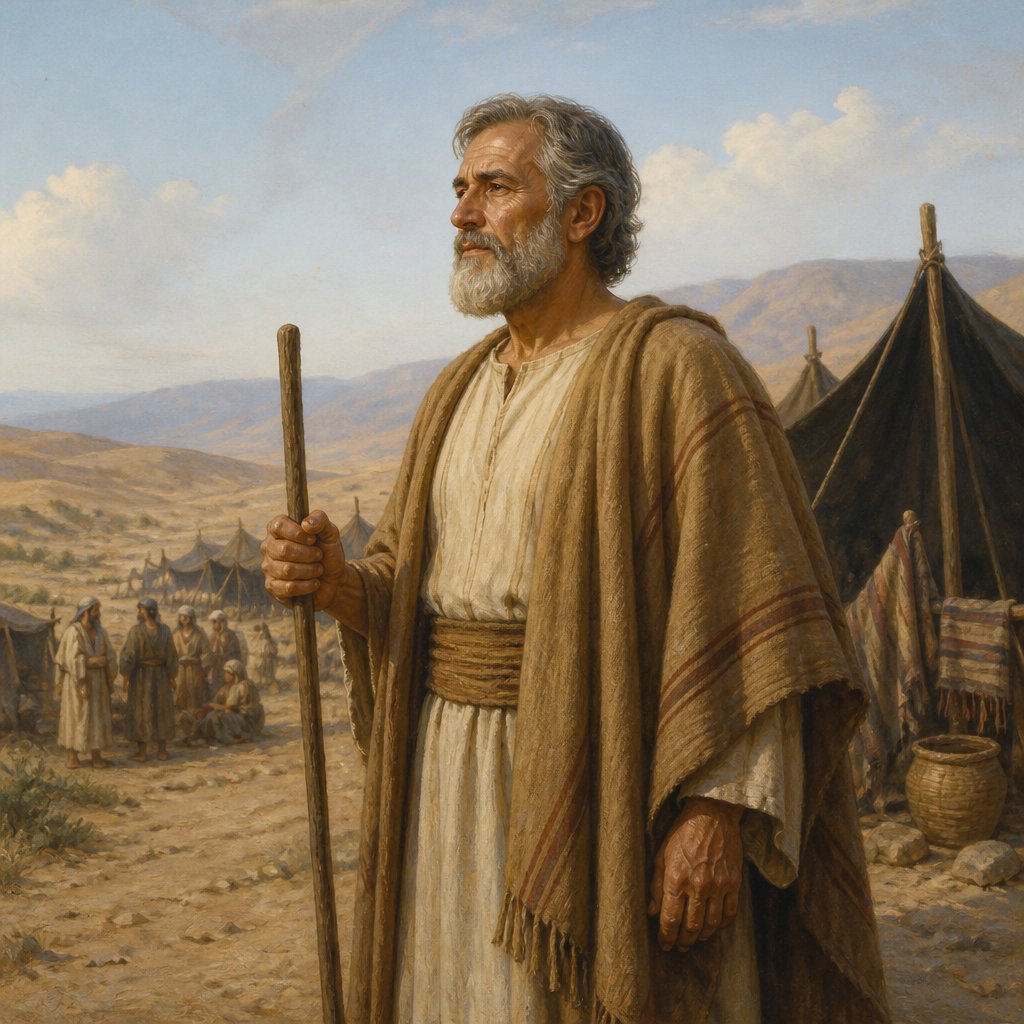
In the book of Numbers, we are introduced to a rich tapestry of narratives that weave together the lives of the Israelite tribes as they prepare to enter into the Promised Land. One standout verse that may seem incidental at first glance is Numbers 1:9, which states, "Of Zebulun; Eliab the son of Helon." While this verse may not yield immediate insights into theological doctrines or moral applications, it serves as a profound reminder of God's meticulous attention to detail and His faithfulness in fulfilling His promises.
Zebulun is one of the twelve tribes of Israel, and Eliab, the son of Helon, is singled out as its leader during the time of the census taken in the wilderness. Each tribe had its own unique identity, purpose, and function in the larger narrative of the Israelites’ journey to the Promised Land. The mention of Eliab, a seemingly obscure figure, invites us to explore the significance of leadership, heritage, and divine selection.
Firstly, we must reflect on the nature of leadership as exhibited by Eliab. The role of a leader, whether in a tribal setting like that of ancient Israel or in our contemporary world, carries immense responsibilities. Eliab's position was not just a title; it was a call to service and sacrifice. He was tasked with guiding his people, ensuring their safety, and nurturing their faith amidst the uncertainties of wandering in the wilderness. As leaders ourselves, in whatever capacity—be it in our families, workplaces, or communities—we must remember that true leadership is not about power or accolades, but about humility, accountability, and the active pursuit of the well-being of others. God equips His chosen leaders with strength and wisdom, and as we navigate our paths, we must seek His guidance and demonstrate servant-hearted leadership, echoing Eliab’s example.
Moreover, the mention of Zebulun serves as a reminder of the importance of our heritage and identity as believers in Christ. The tribes of Israel were not merely groups of people; they were foundations of God’s covenant with His people. Each tribe had its ancestral significance, reflecting God's promises and His plans for redemption. Zebulun was destined to play a significant role in the unfolding story of salvation. For us, as heirs of the Kingdom of God, our identity is rooted in Christ. Just as Zebulun was called to ensure the continued legacy of Israel, we are called to be ambassadors of Christ in our communities, living out our faith in ways that bring glory to God and draw others into His love.
Furthermore, this verse serves as a reminder of divine selection. Eliab was chosen from the lineage of Zebulun for a purpose, just as we too are chosen by God for His divine purposes. Ephesians 1:4 reminds us, "According as he hath chosen us in him before the foundation of the world, that we should be holy and without blame before him in love." This selection is not merely a matter of fate or chance; it reflects God’s intimate involvement in our lives. He sees our potentials and equips us with gifts and grace to undertake the assignments He places before us. The thought that we are chosen by our Creator should fill us with awe and responsibility. Let us live each day with the awareness of this profound truth.
In conclusion, as we consider the words of Numbers 1:9, let us draw lessons on leadership, identity, and divine purpose. Eliab the son of Helon reminds us that each person counts in the eyes of God, and that every life, like every tribe, has a vital role in the realization of His eternal plans. Let us embrace our identities and callings with confidence, recognizing that just as Eliab stood for his people, we too are called to stand firm in our faith and to lead others into the light of God's love.
Get our apps


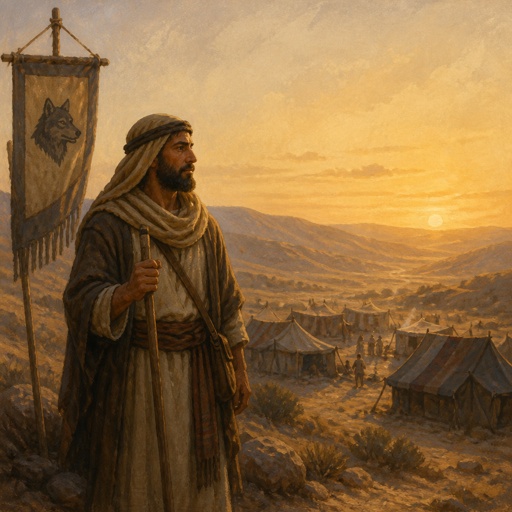
Artwork for Numbers 1:9

Numbers 1:9 - "Of Zebulun; Eliab the son of Helon."
"Of Zebulun; Eliab the son of Helon." - Numbers 1:9

Numbers 7:1-9
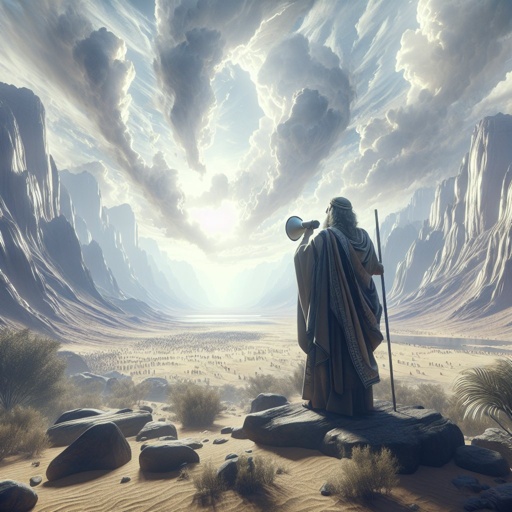
Numbers 9:1 - "And the LORD spake unto Moses in the wilderness of Sinai, in the first month of the second year after they were come out of the land of Egypt, saying,"

Numbers 9:9 - "¶ And the LORD spake unto Moses, saying,"

"¶ And the LORD spake unto Moses, saying," - Numbers 9:9

Numbers 35:9 - "¶ And the LORD spake unto Moses, saying,"

Numbers 13:9 - "Of the tribe of Benjamin, Palti the son of Raphu."

Numbers 12:9 - "And the anger of the LORD was kindled against them; and he departed."

Numbers 25:9 - "And those that died in the plague were twenty and four thousand."

Numbers 9:16 - "So it was alway: the cloud covered it by day, and the appearance of fire by night."

Numbers 22:9 - "And God came unto Balaam, and said, What men are these with thee?"

Numbers 9:4 - "And Moses spake unto the children of Israel, that they should keep the passover."

"The fifth to Malchijah, the sixth to Mijamin," - 1 Chronicles 24:9

Numbers 11:9 - "And when the dew fell upon the camp in the night, the manna fell upon it."

Numbers 9:2 - "Let the children of Israel also keep the passover at his appointed season."

Numbers 20:9 - "And Moses took the rod from before the LORD, as he commanded him."

"That was the true Light, which lighteth every man that cometh into the world." - John 1:9
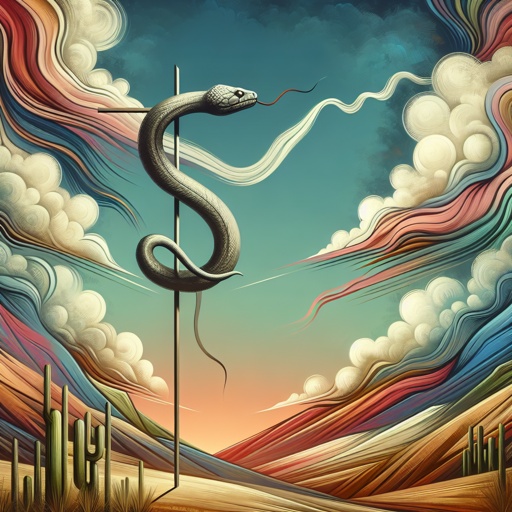
numbers 21:8-9 & John 3:14

Numbers 27:9 - "And if he have no daughter, then ye shall give his inheritance unto his brethren."

"Create a detailed and artistic mosaic image that depicts various scenes from the biblical book of Numbers (Bamidbar) chapters 8:1 to 12:1. The image should be divided into sections, each representing different events within these chapters, in a style that reflects traditional Jewish art and avoids Christian or Catholic imagery. Numbers 8:1-4: Show the lighting of the Menorah in the Tabernacle (Mishkan). Aaron, the High Priest, should be lighting the Menorah. Ensure that the seven-branched Menorah is prominently displayed. Numbers 8:5-26: Depict the consecration of the Levites (Leviím). Show the Levites being presented before the Tent of Meeting, having their heads shaved and being sprinkled with purifying water. Include elements such as offerings and the elders of Israel laying their hands on the Levites. Numbers 9:1-14: Illustrate the Israelites observing the Passover (Pesach) in the wilderness. Show families gathered around the Passover meal, with symbols of matzah and lamb. Also, include the people who were impure because of contact with a dead body and how they are consulting Moses about observing the Passover later. Numbers 9:15-23: Display the cloud covering the Tabernacle by day and the appearance of fire by night. Show the Israelites encamped around the Tabernacle, with their tents in the background, and the divine cloud and fire above. Numbers 10:1-10: Illustrate the making and use of the silver trumpets (chatzotzrot). Show the priests blowing the trumpets to signal the Israelites' movements and gather the assembly. Numbers 10:11-36: Depict the Israelites setting out from the wilderness of Sinai, following the cloud of the Lord. Show the ark of the covenant being carried by the Levites, leading the people. Numbers 11:1-35: Portray the incidents of the people's complaints and God's provision of quail. Include scenes of the people gathering quail and a representation of the fire that consumed some of the camp due to their complaints. Show Moses speaking to God, but ensure Moses' face is not visible. Numbers 12:1: Show the scene where Miriam and Aaron speak against Moses because of the Cushite woman he had married. Depict Miriam and Aaron in discussion, but do not show Moses' face. The entire mosaic should be harmonious and cohesive, with no individual faces of Moses visible and no words or numbers in the artwork. The style should reflect traditional Jewish artistic sensibilities and avoid any Christian or Catholic symbols."

"Create a detailed and artistic mosaic image that depicts various scenes from the biblical book of Numbers (Bamidbar) chapters 8:1 to 12:1. The image should be divided into sections, each representing different events within these chapters, in a style that reflects traditional Jewish art and avoids Christian or Catholic imagery. Numbers 8:1-4: Show the lighting of the Menorah in the Tabernacle (Mishkan). Aaron, the High Priest, should be lighting the Menorah. Ensure that the seven-branched Menorah is prominently displayed. Numbers 8:5-26: Depict the consecration of the Levites (Leviím). Show the Levites being presented before the Tent of Meeting, having their heads shaved and being sprinkled with purifying water. Include elements such as offerings and the elders of Israel laying their hands on the Levites. Numbers 9:1-14: Illustrate the Israelites observing the Passover (Pesach) in the wilderness. Show families gathered around the Passover meal, with symbols of matzah and lamb. Also, include the people who were impure because of contact with a dead body and how they are consulting Moses about observing the Passover later. Numbers 9:15-23: Display the cloud covering the Tabernacle by day and the appearance of fire by night. Show the Israelites encamped around the Tabernacle, with their tents in the background, and the divine cloud and fire above. Numbers 10:1-10: Illustrate the making and use of the silver trumpets (chatzotzrot). Show the priests blowing the trumpets to signal the Israelites' movements and gather the assembly. Numbers 10:11-36: Depict the Israelites setting out from the wilderness of Sinai, following the cloud of the Lord. Show the ark of the covenant being carried by the Levites, leading the people. Numbers 11:1-35: Portray the incidents of the people's complaints and God's provision of quail. Include scenes of the people gathering quail and a representation of the fire that consumed some of the camp due to their complaints. Show Moses speaking to God, but ensure Moses' face is not visible. Numbers 12:1: Show the scene where Miriam and Aaron speak against Moses because of the Cushite woman he had married. Depict Miriam and Aaron in discussion, but do not show Moses' face. The entire mosaic should be harmonious and cohesive, with no individual faces of Moses visible and no words or numbers in the artwork. The style should reflect traditional Jewish artistic sensibilities and avoid any Christian or Catholic symbols."
"Of the tribe of Benjamin, Palti the son of Raphu." - Numbers 13:9

"¶ And the LORD spake unto Moses, saying," - Numbers 35:9

Numbers 9:11 - "The fourteenth day of the second month at even they shall keep it, and eat it with unleavened bread and bitter herbs."

"If we confess our sins, he is faithful and just to forgive us our sins, and to cleanse us from all unrighteousness." - 1 John 1:9

Numbers 30:9 - "But every vow of a widow, and of her that is divorced, wherewith they have bound their souls, shall stand against her."

Numbers 9:8 - "And Moses said unto them, Stand still, and I will hear what the LORD will command concerning you."

Numbers 5:9 - "And every offering of all the holy things of the children of Israel, which they bring unto the priest, shall be his."

Numbers 34:9 - "¶ And the border shall go on to Ziphron, and the goings out of it shall be at Hazar-enan: this shall be your north border."