A Brother's Call: Recognizing Our Shared Struggles
“And Moses sent messengers from Kadesh unto the king of Edom, Thus saith thy brother Israel, Thou knowest all the travail that hath befallen us:” — Numbers 20:14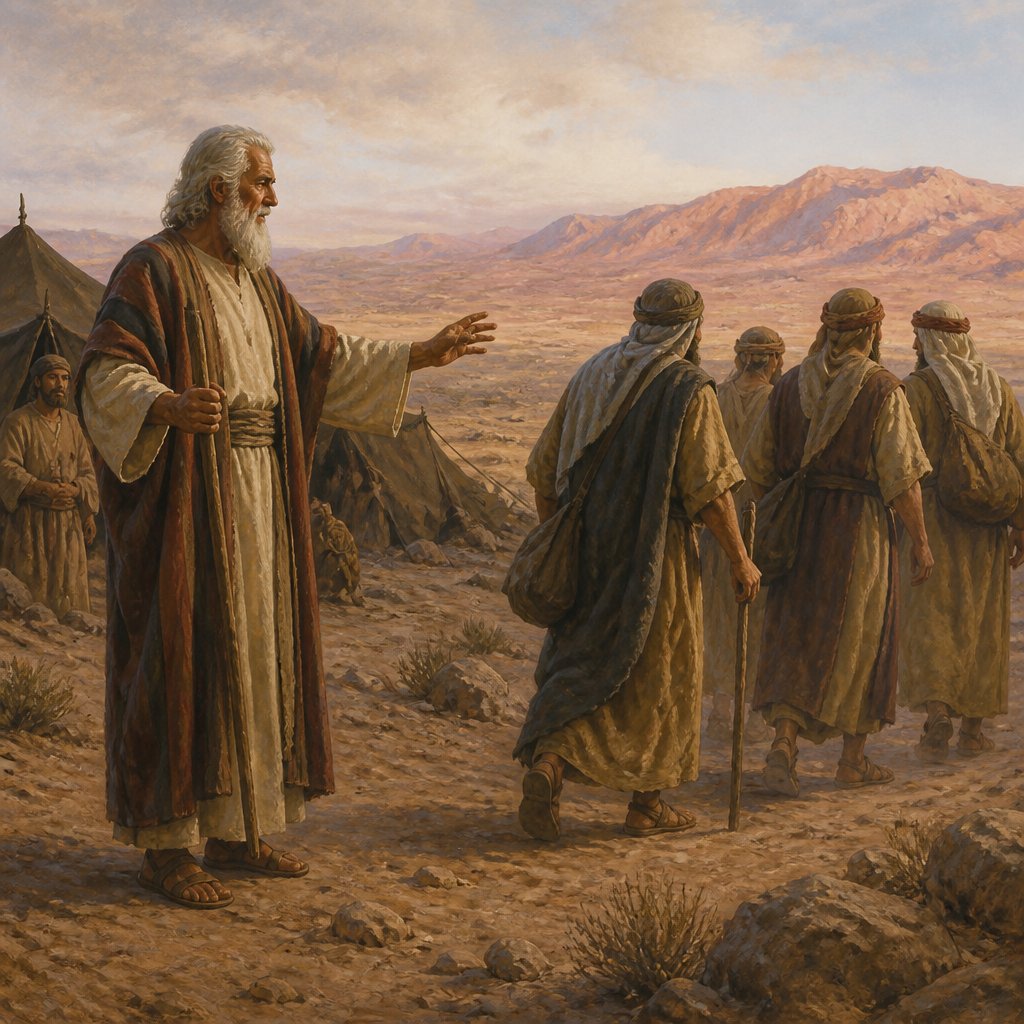
In the book of Numbers, chapter 20, verse 14, Moses undertakes a task of considerable diplomatic significance, sending messengers to the king of Edom with a heartfelt message of kinship: "And Moses sent messengers from Kadesh unto the king of Edom, Thus saith thy brother Israel, Thou knowest all the travail that hath befallen us" (KJV). This passage encapsulates a moment of acknowledgment and appeal, revealing deep truths about our relationships, our history, and our cries for understanding in shared struggles.
As Moses reaches out to Edom, he calls Israel’s identity into focus—not just as a nation, but as a family. The term "brother" is laden with implications of unity, history, and shared circumstances. It harkens back to the lineage of Abraham, Isaac, and Jacob, reminding the reader that the Israelites and Edomites trace their heritage back to the same forefather, Abraham. Thus, the messenger's words serve as a bridge—a reminder of mutual connection despite the divisions that time and conflict have wrought.
The phrase "Thou knowest all the travail that hath befallen us" is particularly poignant. Moses invokes not just a shared kinship, but a shared suffering. The Israelites had endured profound struggles, from slavery in Egypt to the trials in the wilderness. They had witnessed miracles, yet faced countless hardships, hunger, and despair. This appeal to the king of Edom is an urgent reminder that even amidst their plight, the Israelites have experienced God's faithfulness.
In our lives, we often face trials similar to those of the Israelites. As we navigate our own wilderness—whether it be moments of despair, conflict, or overwhelming challenges—we may also find ourselves reaching out to others for understanding and aid. Moses exemplifies a powerful approach when confronting isolation: he leads with vulnerability and recognition of shared history. He approaches without battle drums, relying instead on the bonds of brotherhood.
When Moses refers to their shared struggles, it serves to highlight a universal truth; the acknowledgement of our collective suffering creates a space for empathy. It compels us to consider how we engage with one another, especially with those who might seem distant or adversarial in our lives. In recognizing the trials of others, we begin to soften the hardness of our hearts.
Life in community demands that we forge meaningful connections, even across past grievances or misunderstandings. We may feel as if we are navigating through our own deserts, but when we reach out—inviting brothers, sisters, or even former enemies into honest dialogue—we open the door for healing and understanding. In calling to Edom, Moses is not merely asking for safe passage; he is asking for the chance to rekindle the flame of kinship that was commonly shared in their ancestry.
The act of appealing as ‘brother’ beckons us to consider how we relate to others who have walked through similar struggles. We might be called to extend grace to those who have wronged us or to become a voice of comfort for those burdened by hardship. Each challenge serves as an invitation for connection; and each voice calling for unity emphasizes that we are not alone. The journey through pain becomes a shared pilgrimage rather than a solitary plight.
As we meditate on this verse, let it inspire us to reach out to those around us—to embrace our identities as brothers and sisters, bonded by the shared experience of struggle. May we all grow in humility and empathy as we journey together, recognizing that in our collective travail, we find the seeds of compassion and restoration.
In prayer, let us ask the Lord to help us to see our connections with others: "Lord, grant me the discernment to understand my shared journey with others, especially those I may overlook. Teach me to reach out and forge communal bonds, as Moses did. May our collective experiences in hardship prompt our hearts to resonate with love, peace, and reconciliation. Amen."
Get our apps


Artwork for Numbers 20:14

Numbers 20:14 - "¶ And Moses sent messengers from Kadesh unto the king of Edom, Thus saith thy brother Israel, Thou knowest all the travail that hath befallen us:"
"¶ And Moses sent messengers from Kadesh unto the king of Edom, Thus saith thy brother Israel, Thou knowest all the travail that hath befallen us:" - Numbers 20:14

Numbers 14:20 - "And the LORD said, I have pardoned according to thy word:"

"And the LORD said, I have pardoned according to thy word:" - Numbers 14:20

Numbers 14:8

Numbers 14:8

Numbers 14:8

Numbers 20:20 - "And he said, Thou shalt not go through. And Edom came out against him with much people, and with a strong hand."

Numbers 20:7 - "¶ And the LORD spake unto Moses, saying,"

Numbers 34:20 - "And of the tribe of the children of Simeon, Shemuel the son of Ammihud."

Ending scene of numbers 14

numbers 31:14-15

Numbers 33:20 - "And they departed from Rimmon-parez, and pitched in Libnah."

Numbers 1:14 - "Of Gad; Eliasaph the son of Deuel."

John 20:14

Exodus 20:14

Numbers 16:20 - "And the LORD spake unto Moses and unto Aaron, saying,"

Numbers 7:20 - "One spoon of gold of ten shekels, full of incense:"

Genesis 20-14

Numbers 13:14 - "Of the tribe of Naphtali, Nahbi the son of Vophsi."

Numbers 10:20 - "And over the host of the tribe of the children of Gad was Eliasaph the son of Deuel."

Numbers 14:32 - "But as for you, your carcases, they shall fall in this wilderness."

Scene from numbers 14:45

Numbers 4:20 - "But they shall not go in to see when the holy things are covered, lest they die."

Numbers 20:2 - "And there was no water for the congregation: and they gathered themselves together against Moses and against Aaron."

Numbers 18:14 - "Every thing devoted in Israel shall be thine."
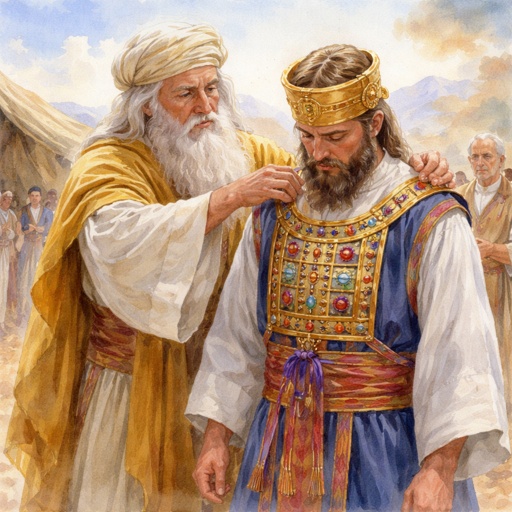
Putting Aaron’s priestly garment on Eleazar in Numbers 20

Numbers 20:9 - "And Moses took the rod from before the LORD, as he commanded him."

Philippians 4:14-20

Zephaniah 3:14-20