Lessons from the Wilderness: Turning Trials into Triumphs
“And the people chode with Moses, and spake, saying, Would God that we had died when our brethren died before the LORD!” — Numbers 20:3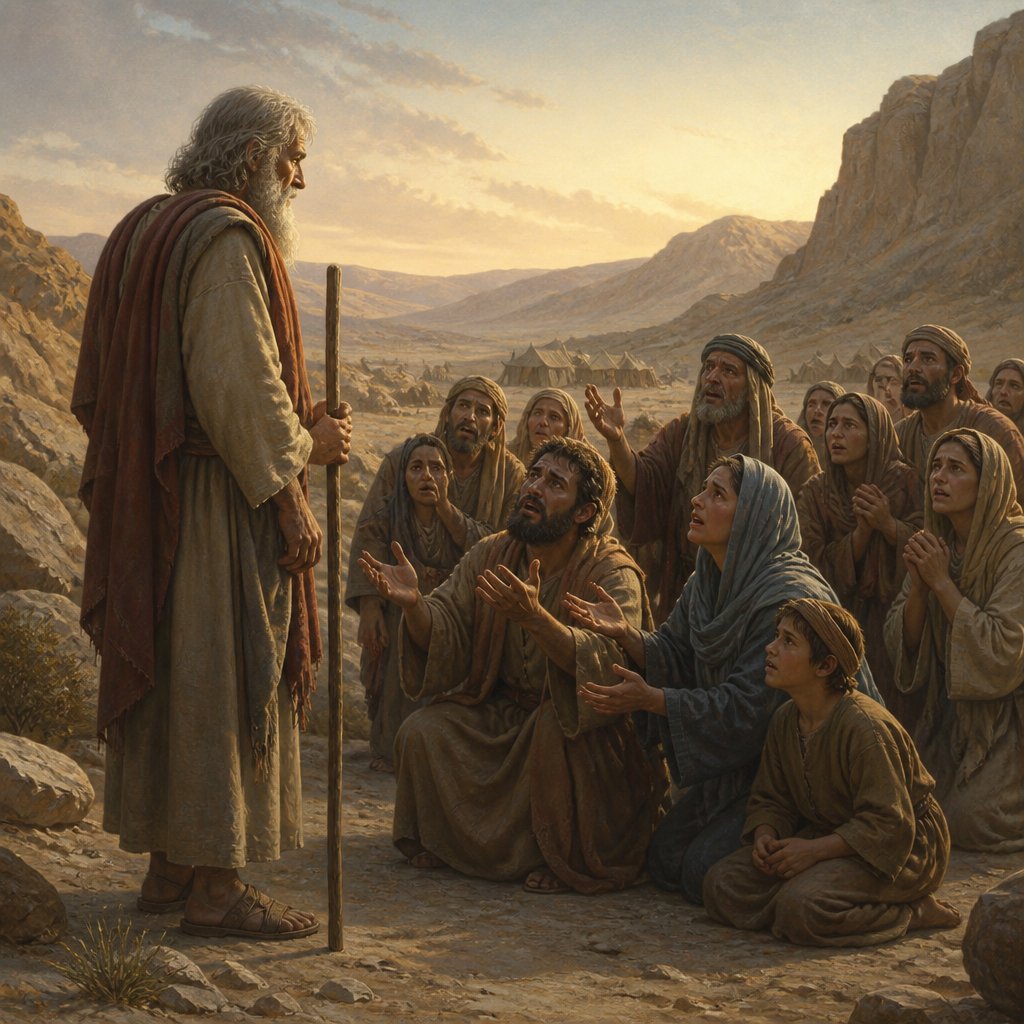
As we reflect on Numbers 20:3, "And the people chode with Moses, and spake, saying, Would God that we had died when our brethren died before the LORD!" we are drawn into a moment of profound human emotion and spiritual pilgrimage. This passage, a mere snippet of the Israelites' journey through the wilderness, captures the essence of suffering, despair, and the struggle for faith in desperate times. It paints a picture not just of the Israelites’ physical journey, but of their spiritual one—a cycle that many of us can relate to today.
The word "chode" here is significant; to chide means to scold or rebuke. The Israelites were not merely expressing sorrow, but engaging in a profound complaint against Moses, their appointed leader. Why would they revert to such negativity, wishing for death rather than facing the perils of the present? This question echoes through generations, revealing a common struggle in our walk of faith—the tendency to look back with longing at what is familiar, even if that familiarity held pain.
In the verses leading to this moment, the Israelites had witnessed the mighty works of God—the Red Sea's parting, the provision of manna, and the victories over their enemies. Yet, in the face of new challenges, they chose despair over faith. They were restless and frustrated, and, in their vulnerability, they allowed fear to overshadow their gratitude and trust. How often do we find ourselves in similar places? When the storm of life rages, it can be easy to forget the mercies we have experienced in the past.
Instead of standing firm in faith, the Israelites’ response was to verbalize their disappointments and fears, wishing for death—a sentiment many may recognize. When faced with trials, the heart can easily sway from trusting God to longing for the comfort of what we once knew, even if it was a time of bondage, as slavery in Egypt had been for them.
This situation is a critical reflection on how we handle our grief and difficulties. The Israelites’ complaint was a reminder of their human frailty. It illustrates a common trait of mankind—our inclination to wallow in what is lost rather than fight through to what lies ahead. The longing for the past in this verse epitomizes the depths of despair that can arise when we feel abandoned or powerless.
However, as we delve deeper into the narrative, we must consider Moses’ role in these moments of turmoil. He, too, was a human leader who faced the weight of these complaints and the burden of an ungrateful people. Yet, his leadership was rooted in seeking the heart of God, interceding for the very people who lashed out at him. His response reminds us of the importance of steadfastness in our faith, even when those around us are struggling to see the light.
In our own lives today, we face various forms of wilderness—personal loss, health struggles, relational issues, spiritual dryness. The call is clear: do not allow these wilderness moments to dictate the narrative of our faith. Instead, let them become an opportunity for growth and deeper reliance on God.
Every trial can bring about a transformation, strengthening our faith, increasing our perseverance, and refining our understanding of God’s nature. Rather than wishing for despair or a return to times past, let us strive to trust that God is with us, even in the wilderness.
Ultimately, Numbers 20:3 beckons us to confront our frustrations and fears. Let us bring our unanswered questions before God and express our pain honestly, but also let us seek His face and remember His past faithfulness. In doing so, we transition from a place of longing for the past to embracing God’s promises for our future—there lies the ultimate victory of faith.
Get our apps


Artwork for Numbers 20:3

Numbers 20:3 - "And the people chode with Moses, and spake, saying, Would God that we had died when our brethren died before the LORD!"
"And the people chode with Moses, and spake, saying, Would God that we had died when our brethren died before the LORD!" - Numbers 20:3

Numbers 3:20 - "And the sons of Merari by their families; Mahli, and Mushi. These are the families of the Levites according to the house of their fathers."
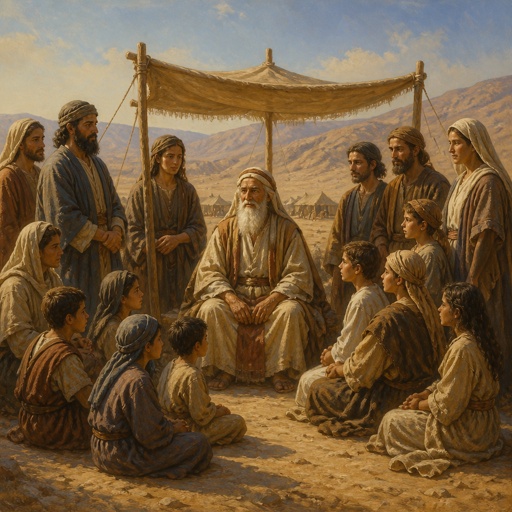
"And the sons of Merari by their families; Mahli, and Mushi. These are the families of the Levites according to the house of their fathers." - Numbers 3:20

Numbers 20:20 - "And he said, Thou shalt not go through. And Edom came out against him with much people, and with a strong hand."

Numbers 20:7 - "¶ And the LORD spake unto Moses, saying,"

Numbers 34:20 - "And of the tribe of the children of Simeon, Shemuel the son of Ammihud."

Numbers 33:20 - "And they departed from Rimmon-parez, and pitched in Libnah."

Numbers 16:20 - "And the LORD spake unto Moses and unto Aaron, saying,"

Numbers 7:20 - "One spoon of gold of ten shekels, full of incense:"

Numbers 14:20 - "And the LORD said, I have pardoned according to thy word:"

Numbers 10:20 - "And over the host of the tribe of the children of Gad was Eliasaph the son of Deuel."

Numbers 3:41

Numbers 4:20 - "But they shall not go in to see when the holy things are covered, lest they die."

Numbers 20:2 - "And there was no water for the congregation: and they gathered themselves together against Moses and against Aaron."
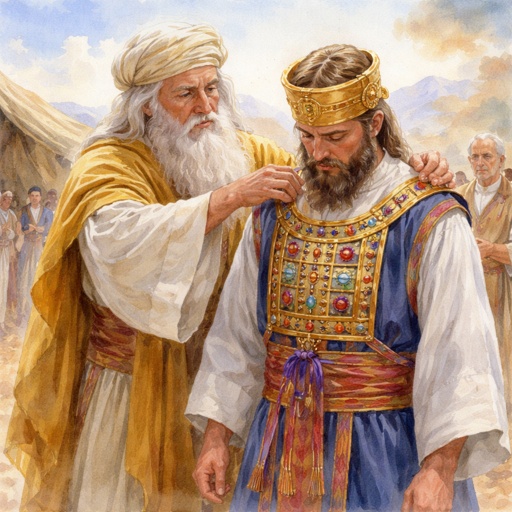
Putting Aaron’s priestly garment on Eleazar in Numbers 20

Numbers 20:9 - "And Moses took the rod from before the LORD, as he commanded him."

Numbers 35:20 - "But if he thrust him of hatred, or hurl at him by laying of wait, that he die;"

Numbers 20:13 - "This is the water of Meribah; because the children of Israel strove with the LORD, and he was sanctified in them."

Numbers 20:27 - "And Moses did as the LORD commanded: and they went up into mount Hor in the sight of all the congregation."

Numbers 21:20 - "And from Bamoth in the valley, that is in the country of Moab, to the top of Pisgah, which looketh toward Jeshimon."

Numbers 20:25 - "Take Aaron and Eleazar his son, and bring them up unto mount Hor:"

Numbers 20:23 - "And the LORD spake unto Moses and Aaron in mount Hor, by the coast of the land of Edom, saying,"

Numbers 2:20 - "And by him shall be the tribe of Manasseh: and the captain of the children of Manasseh shall be Gamaliel the son of Pedahzur."

Numbers 23:20 - "Behold, I have received commandment to bless: and he hath blessed; and I cannot reverse it."
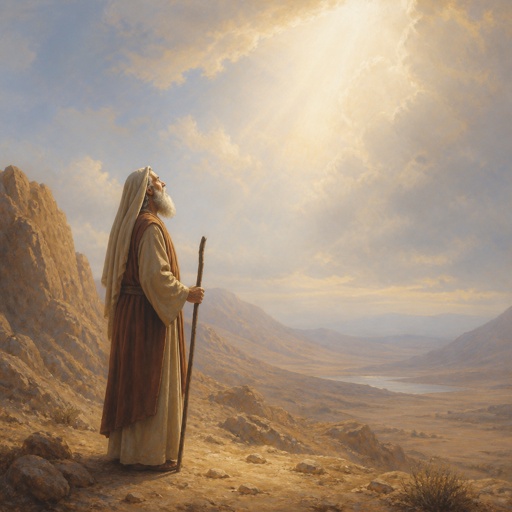
"¶ And the LORD spake unto Moses, saying," - Numbers 20:7

Numbers 3:16 - "And Moses numbered them according to the word of the LORD, as he was commanded."
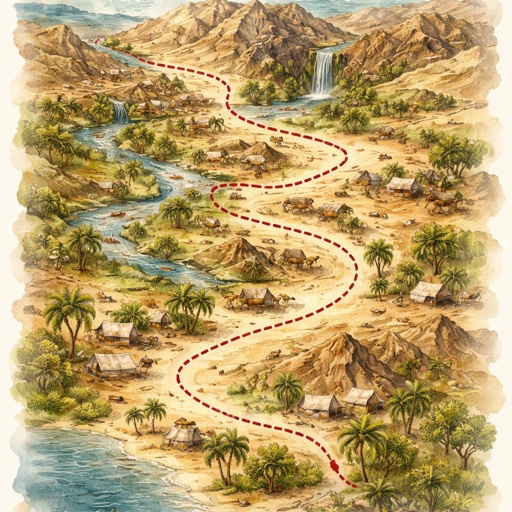
Draw me a travel map for Numbers 21:10-20

matthew 20:3
Genesis 20-3