From Bamoth to Pisgah: A Journey of Perspective
“And from Bamoth in the valley, that is in the country of Moab, to the top of Pisgah, which looketh toward Jeshimon.” — Numbers 21:20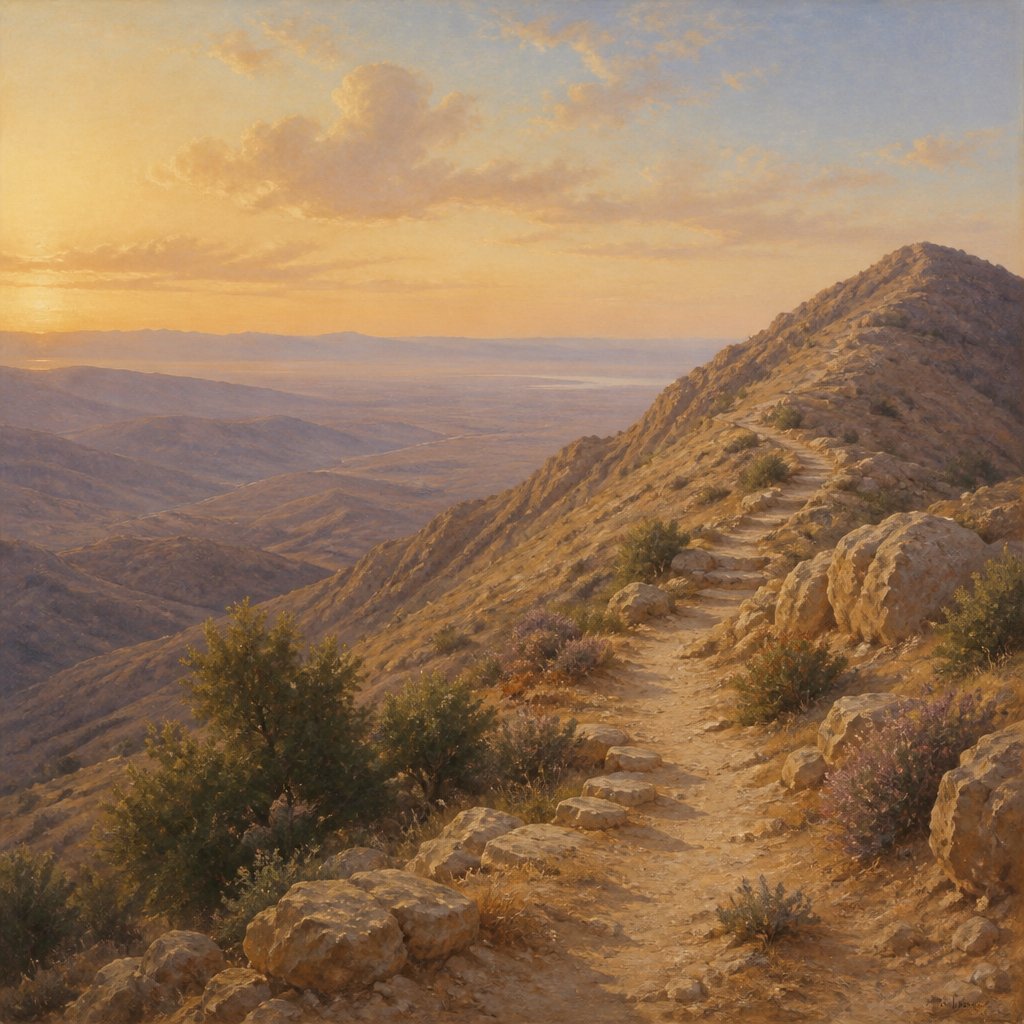
In Numbers 21:20, we find a geographical reference: "And from Bamoth in the valley, that is in the country of Moab, to the top of Pisgah, which looketh toward Jeshimon." This verse may seem like just another travel log among the Israelites' wanderings, but a closer examination reveals profound spiritual truths that resonate with our own journeys of faith.
Bamoth, which means "heights" or "high places," represents a valley in the country of Moab. This area, marked by its lower elevation, serves as a reminder of the trials and tribulations we often face in our life. Valleys in our personal experiences can symbolize moments of despair, uncertainty, or feeling unworthy. The valley of Moab could represent our own struggles—depressions, disappointments, or fears looming over us as we make our way through life.
The journey from Bamoth to the top of Pisgah speaks of transition. How often do we find ourselves in a low place, struggling to find our feet in difficult circumstances? This journey reminds us that there is hope and a pathway leading us out of the valleys of our lives. God’s promises remind us that we are not made for the valley but for the mountain. Scripture speaks clearly of the Lord as our shepherd who leads us beside still waters and restores our souls (Psalm 23:2-3). Our movement from Bamoth signifies the desire to rise above our situations.
Pisgah, on the other hand, means "a peak" or "a summit." It serves as a point of vantage, a place where one can see far beyond the oppressive surroundings of a valley. When Moses reached this peak, he was granted a view of the Promised Land—a great representation of hope fulfilled. Higher perspectives allow us to see the bigger picture of God’s plan for our lives. This analogy provides a powerful reminder: God sees beyond our immediate situation, and He is leading us towards something greater.
As the verse states, Pisgah "looketh toward Jeshimon," which translates to a place of desolation or waste. The viewpoint atop Pisgah was one of stark contrast. While Jeshimon may depict a state of emptiness, from the peaks of the mountain, we are given the ability to rise above and see into the possibilities of God’s promises. It is easy to feel defeated when we are entrenched in darkness, unable to envision a better future. But when we allow ourselves to climb to the heights of Pisgah through prayer, worship, and being in His presence, we gain clarity and access to the hope that God provides.
In our spiritual landscape, we must cultivate the discipline to journey from Bamoth to Pisgah. It requires trust in God’s guidance, perseverance in the face of adversity, and a willingness to turn to God in prayer. When one chooses to lift their sights from their current valley to the high peaks of God's desires, they can embrace hope and vision for the future.
As you reflect today, consider what valleys you may be presently navigating and how you can intentionally seek elevation through your faith. The journey from Bamoth to Pisgah may not be immediate, but every step taken in faith brings you closer to a clearer view of His plans for you. Let us move forward with confidence, knowing that the God who leads us will always guide us to higher ground.
Get our apps


Artwork for Numbers 21:20

Numbers 21:20 - "And from Bamoth in the valley, that is in the country of Moab, to the top of Pisgah, which looketh toward Jeshimon."
"And from Bamoth in the valley, that is in the country of Moab, to the top of Pisgah, which looketh toward Jeshimon." - Numbers 21:20
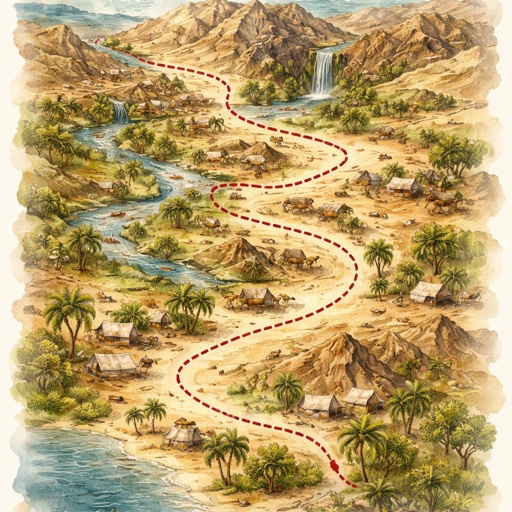
Draw me a travel map for Numbers 21:10-20

Numbers 20:21 - "Thus Edom refused to give Israel passage through his border: wherefore Israel turned away from him."

Draw me a travel map for Numbers 21:10-20. Label place name. More realistic of actual terrain of places from map

Picture representing Numbers 21:21-35

Numbers 21:21 - "¶ And Israel sent messengers unto Sihon king of the Amorites, saying,"
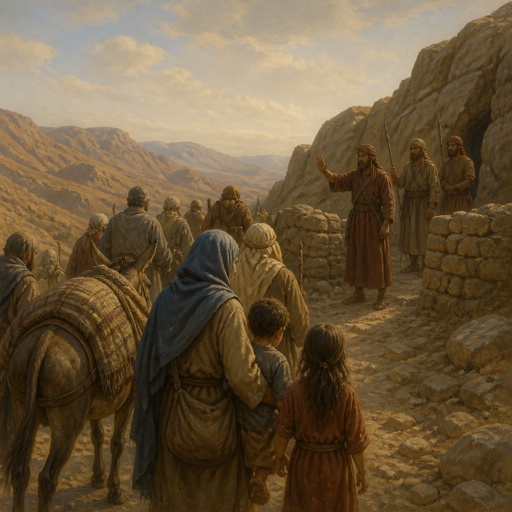
"Thus Edom refused to give Israel passage through his border: wherefore Israel turned away from him." - Numbers 20:21

Luke 13:20-21

Luke 13:20-21
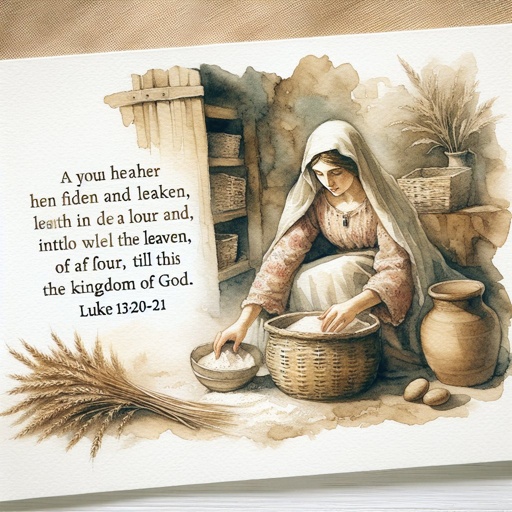
Luke 13:20-21

Luke 13:20-21

Luke 13:20-21

Moses serpent numbers 21

Genesis 21-20

John 20:21

Numbers 4:21 - "¶ And the LORD spake unto Moses, saying,"
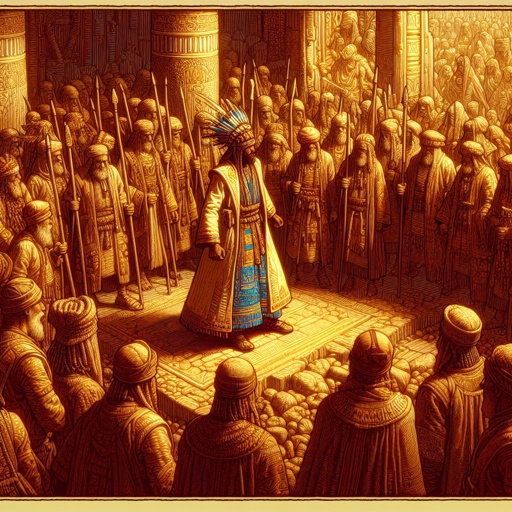
Numbers 34:21 - "Of the tribe of Benjamin, Elidad the son of Chislon."

Numbers 21:31 - "¶ Thus Israel dwelt in the land of the Amorites."

Numbers 33:21 - "And they removed from Libnah, and pitched at Rissah."

Picture of Numbers 21:1-3

Moses fiery serpent numbers 21

Numbers 20:20 - "And he said, Thou shalt not go through. And Edom came out against him with much people, and with a strong hand."

Job 3:20-21 - "Job 3:20-21: Why is light given to those in misery, and life to the bitter of soul, to those who long for death that does not come, who search for it more than for hidden treasure?"

Numbers 20:7 - "¶ And the LORD spake unto Moses, saying,"

Numbers 34:20 - "And of the tribe of the children of Simeon, Shemuel the son of Ammihud."

Numbers 21:10 - "¶ And the children of Israel set forward, and pitched in Oboth."
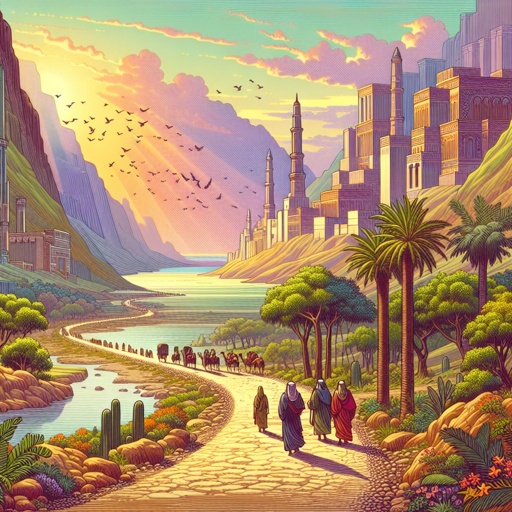
Numbers 21:19 - "And from Mattanah to Nahaliel: and from Nahaliel to Bamoth:"

Numbers 21:12 - "¶ From thence they removed, and pitched in the valley of Zared."

2 Chronicles 20:21