The Spoils of War: Lessons in Stewardship and Generosity
“( For the men of war had taken spoil, every man for himself.)” — Numbers 31:53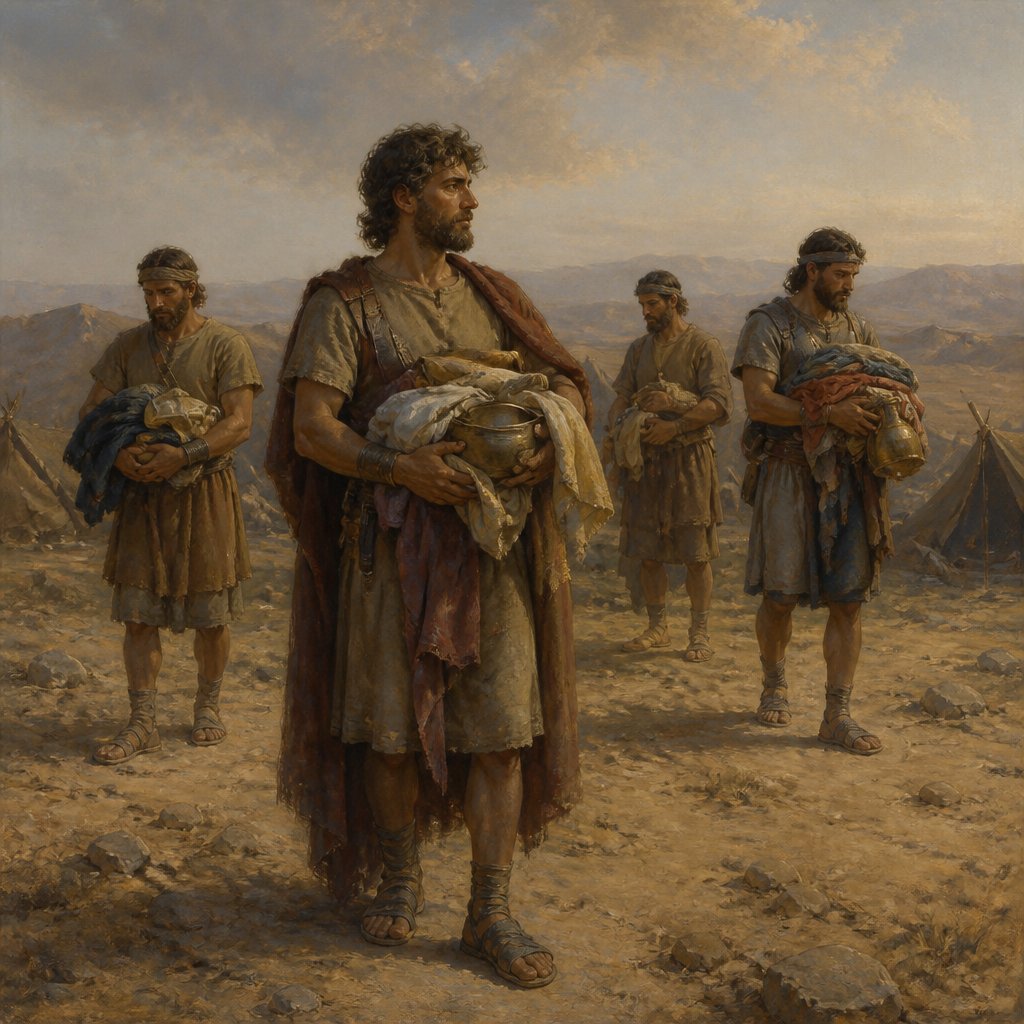
Numbers 31:53 states, "For the men of war had taken spoil, every man for himself." At first glance, this verse seems simple, merely summarizing the actions of the Israelite soldiers after their victorious campaign against the Midianites. However, embedded within this historical context lies profound implications regarding stewardship, selflessness, and the nature of community.
In the early chapters of Numbers, we witness a nation on a journey—a journey not only to inherit the Promised Land but also a journey of transformation. The Israelites were called to be distinct, functioning as a community set apart for God’s purposes. The battle against Midian was not merely a military exercise but a demonstration of God's judgment against a people who had led Israel into sin. This context is crucial as we examine the aftermath of warfare, where spoils of battle come into play.
Spoils symbolize both the rewards for victory and the risks of individualism. When the text states, "every man for himself," it highlights an inherent tension: the dichotomy between personal gain and communal responsibility. In societies marked by competition and the pursuit of individual interests, such a mindset can be prevalent. However, for the Israelite community, the call was not merely to take but to also give back and build up the community.
In the New Testament, we find echoes of this theme in Paul's letters, particularly in 1 Corinthians 12, where believers are described as parts of a body, each with unique gifts and responsibilities. This imagery teaches us that we are not isolated entities pursuing self-interest in the Christian life but rather interdependent members of a greater whole. Similarly, the bold declaration in Numbers prompts us to reflect: What do we do with our 'spoils'? Are we hoarding them for ourselves, or are we using them to further God's kingdom?
Thus, considering the spoils in warfare calls for introspection about what we take in our own lives. The resources, skills, and time we accumulate—are they serving the purposes of God’s kingdom, or are they being utilized solely for personal ambitions? Scripture frequently warns against the pitfalls of selfishness. In James 4:1-3, we read, "From whence come wars and fightings among you? Come they not hence, even of your lusts that war in your members? Ye lust, and have not: ye kill, and desire to have, and cannot obtain: ye fight and war, yet ye have not, because ye ask not."
This scripture invites us to consider whether our own desires might lead us to conflict—not just on a grand scale as nations, but in personal relationships and church communities. What spoils are we fighting for? Are we striving to be heard, recognized, or rewarded? This leads to an all-important exploration of character: as believers, we are called to embody generosity and selflessness, viewing our resources not as mere possessions for individual enjoyment but as stewardships for a higher purpose.
The Bible offers a counter-narrative to the self-serving impulses captured in Numbers 31:53. Acts 2:44-45 declares, "And all that believed were together, and had all things common; and sold their possessions and goods, and parted them to all men, as every man had need." This communal spirit promotes a healthier, more holistic understanding of spoils—encouraging us to contribute to the body of Christ and advance His mission.
As we reflect on the spoils of our lives, let us cultivate a heart of generosity. Consider how you can turn your gains into shared blessings. In battles won in our lives, let us not forget that our victories are most beautiful when they become opportunities to uplift others. Ask yourself: In what ways can I practice communal stewardship in my life today? How can I use my ‘spoils’ to constructively impact my family, church, and community?
Therefore, as we meditate on this verse, may we shift our focus from individual spoils to collective blessings that glorify God, embody His generosity, and reflect Christ’s character in all that we do.
Get our apps


Artwork for Numbers 31:53

Numbers 31:53 - "(For the men of war had taken spoil, every man for himself.)"

"(For the men of war had taken spoil, every man for himself.)" - Numbers 31:53

Numbers 1:50 -53

Numbers 1:50 -53

Numbers 1:50 -53

Numbers 26:53 - "Unto these the land shall be divided for an inheritance according to the number of names."

Genesis 31:53 - "The God of Abraham, and the God of Nahor, the God of their father, judge betwixt us. And Jacob sware by the fear of his father Isaac."

Numbers 33:53 - "And ye shall dispossess the inhabitants of the land, and dwell therein: for I have given you the land to possess it."

"Unto these the land shall be divided for an inheritance according to the number of names." - Numbers 26:53

Numbers 7:53 - "And for a sacrifice of peace offerings, two oxen, five rams, five he goats, five lambs of the first year: this was the offering of Elishama the son of Ammihud."

Numbers 1:53 - "But the Levites shall pitch round about the tabernacle of testimony, that there be no wrath upon the congregation of the children of Israel: and the Levites shall keep the charge of the tabernacle of testimony."

Numbers 31:31 - "And Moses and Eleazar the priest did as the LORD commanded Moses."

Numbers 31 graphics

Numbers 31:46 - "And sixteen thousand persons;)"

numbers 31:14-15

Numbers 31:33 - "And threescore and twelve thousand beeves,"
Numbers 31:34 - "And threescore and one thousand asses,"

Numbers 31:44 - "And thirty and six thousand beeves,"

Numbers 31:1 - "And the LORD spake unto Moses, saying,"

Numbers 31:25 - "¶ And the LORD spake unto Moses, saying,"

Numbers 31:45 - "And thirty thousand asses and five hundred,"

Numbers 21:31 - "¶ Thus Israel dwelt in the land of the Amorites."

Numbers 26:31 - "And of Asriel, the family of the Asrielites: and of Shechem, the family of the Shechemites:"

Numbers 33:31 - "And they departed from Moseroth, and pitched in Bene-jaakan."

"And Moses and Eleazar the priest did as the LORD commanded Moses." - Numbers 31:31
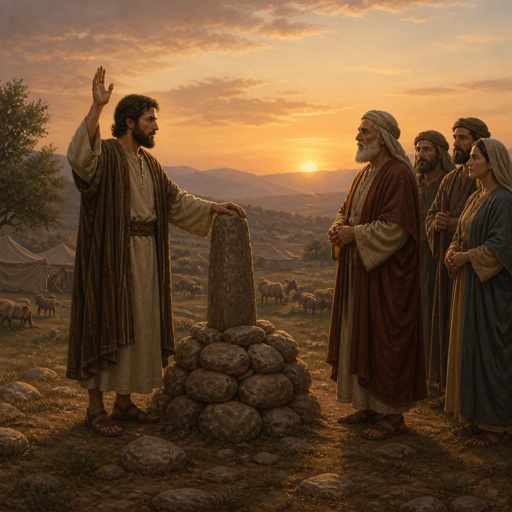
"The God of Abraham, and the God of Nahor, the God of their father, judge betwixt us. And Jacob sware by the fear of his father Isaac." - Genesis 31:53

"And ye shall dispossess the inhabitants of the land, and dwell therein: for I have given you the land to possess it." - Numbers 33:53

Numbers 31:22 - "Only the gold, and the silver, the brass, the iron, the tin, and the lead,"

Numbers 31:37 - "And the LORD'S tribute of the sheep was six hundred and threescore and fifteen."

"And sixteen thousand persons;)" - Numbers 31:46