The Weight of Worship: Understanding Our Offerings to God
“And his offering was one silver charger, the weight thereof was an hundred and thirty shekels, one silver bowl of seventy shekels, after the shekel of the sanctuary; both of them were full of fine flour mingled with oil for a meat offering:” — Numbers 7:13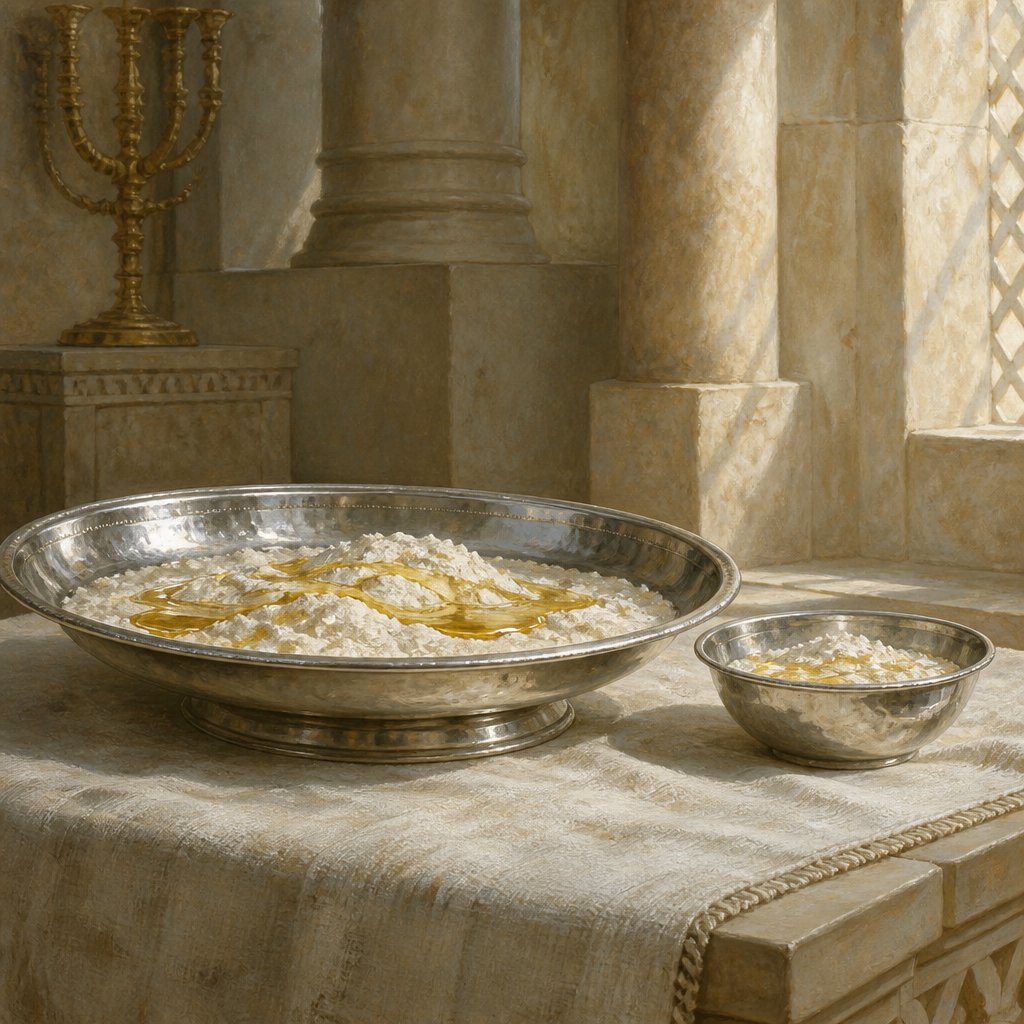
In the book of Numbers, we encounter a significant moment in Israel's history where each leader of the tribes brought offerings at the dedication of the altar. Numbers 7:13 states, "And his offering was one silver charger, the weight thereof was an hundred and thirty shekels, one silver bowl of seventy shekels, after the shekel of the sanctuary; both of them were full of fine flour mingled with oil for a meat offering:"
This verse highlights not just the physical offerings presented to God, but also the spiritual significance behind them. The silver charger and the bowl, filled with fine flour and oil, serve as powerful symbols of worship and sacrifice. To truly grasp the importance of these offerings, we need to explore the context, the elements of the offering, and how they reflect our own lives today.
First, let's consider the **context**. The Israelites were in the wilderness, having been delivered from slavery in Egypt. This period was marked by transition, struggle, and reliance on God. Each offering made was a testimony of faith in God’s provisions and an acknowledgment of His sovereignty. The careful detailing of the weight of the silver items along with their contents reveals God’s desire for order and reverence in worship. Every leader felt compelled to contribute, signifying communal unity and individual devotion.
Now, examine the **elements** of the offering. The silver charger weighed 130 shekels and the bowl 70 shekels, both made of precious metal, representing value. These weren’t mere tokens of appreciation; they were heartfelt gifts reflecting the worth and glory of God. The choice of fine flour mingled with oil is also significant. Flour has long represented sustenance, while oil symbolizes the presence and anointing of the Holy Spirit. Together, they reflect the nourishment found in a close relationship with God, as well as the joy and celebration inherent in worship.
When we bring our offerings to God—whether they are physical gifts, our time, talents, or acts of service—what do they reflect about our hearts? Are our offerings characterized by the same thoughtfulness and reverence as those presented in the wilderness? Do we seek to offer God our best, recognizing that He has given us everything already? In this passage, God is not just concerned with the offerings themselves, but with the heart posture behind them. A heart of worship should lead us to prioritize what we give and how we give it.
Moreover, offering fine flour mingled with oil symbolizes that our sacrifices should be seasoned and prepared with love. Just as the fine flour is the primary element in this meat offering, our core motivations should center on love for God, compassion for others, and humility in our service. We are reminded in Romans 12:1 to present our bodies as living sacrifices, holy and acceptable to God, which is our reasonable service.
Let us also give thought to the weight of our worship—figuratively and literally. In a world constantly vying for our attention and resources, how much weight do we assign to our relationship with God? Are we simply going through the motions of an offering or truly engaging in a heartfelt exchange with our Creator? Our worship should not be light or perfunctory, but rather heavy with significance and the weight of glory.
In conclusion, the offerings from Numbers 7:13 teach us not only about physical gifts but also about the heart attitude with which we approach God. May we be inspired to bring our best, to worship freely, and to remember that in everything we offer, big or small, it is our heart that God truly desires.
Get our apps


Artwork for Numbers 7:13
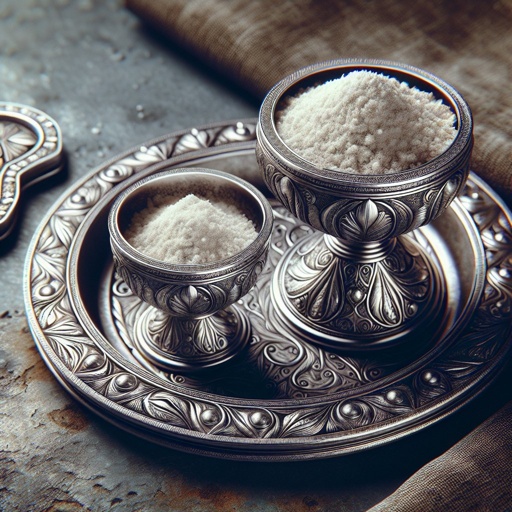
Numbers 7:13 - "And his offering was one silver charger, the weight thereof was an hundred and thirty shekels, one silver bowl of seventy shekels, after the shekel of the sanctuary; both of them were full of fine flour mingled with oil for a meat offering:"
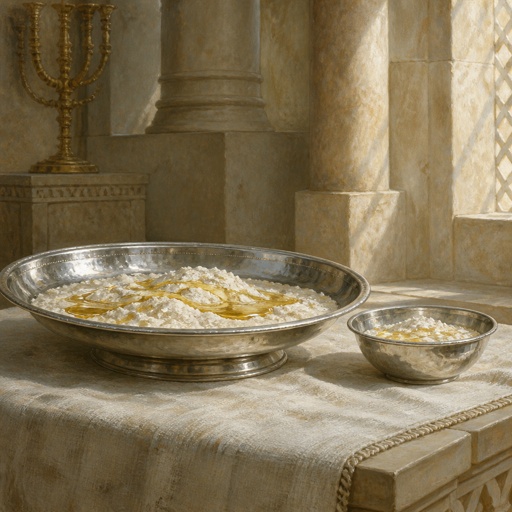
"And his offering was one silver charger, the weight thereof was an hundred and thirty shekels, one silver bowl of seventy shekels, after the shekel of the sanctuary; both of them were full of fine flour mingled with oil for a meat offering:" - Numbers 7:13

Numbers 13:7 - "Of the tribe of Issachar, Igal the son of Joseph."

"Of the tribe of Issachar, Igal the son of Joseph." - Numbers 13:7

Numbers 13:13 - "Of the tribe of Asher, Sethur the son of Michael."

"The children of Zattu, eight hundred forty and five." - Nehemiah 7:13

Numbers 29:7

Numbers 4:7

Numbers 23:1-13

"Of the tribe of Asher, Sethur the son of Michael." - Numbers 13:13
Numbers 1:13 - "Of Asher; Pagiel the son of Ocran."

Numbers 13:6 - "Of the tribe of Judah, Caleb the son of Jephunneh."

Numbers 13:10 - "Of the tribe of Zebulun, Gaddiel the son of Sodi."

Numbers 33:13 - "And they departed from Dophkah, and encamped in Alush."

Numbers 13:8 - "Of the tribe of Ephraim, Oshea the son of Nun."

Numbers 13:9 - "Of the tribe of Benjamin, Palti the son of Raphu."

Numbers 13:5 - "Of the tribe of Simeon, Shaphat the son of Hori."

Numbers 13:1 - "And the LORD spake unto Moses, saying,"

Numbers 13:15 - "Of the tribe of Gad, Geuel the son of Machi."

Numbers 13:12 - "Of the tribe of Dan, Ammiel the son of Gemalli."

Numbers 13:14 - "Of the tribe of Naphtali, Nahbi the son of Vophsi."

Numbers 7:1-9

Numbers 7:7 - "Two wagons and four oxen he gave unto the sons of Gershon, according to their service:"

Numbers 4:7-8

Numbers 26:13 - "Of Zerah, the family of the Zarhites: of Shaul, the family of the Shaulites."

Numbers 1:7 - "Of Judah; Nahshon the son of Amminadab."

Numbers 13:25 - "And they returned from searching of the land after forty days."

Numbers 7:76 - "One kid of the goats for a sin offering:"

Numbers 7:64 - "One kid of the goats for a sin offering:"

Numbers 7:34 - "One kid of the goats for a sin offering:"