The Peace Offering: A Heart of Worship and Community
“And for a sacrifice of peace offerings, two oxen, five rams, five he goats, five lambs of the first year: this was the offering of Nahshon the son of Amminadab.” — Numbers 7:17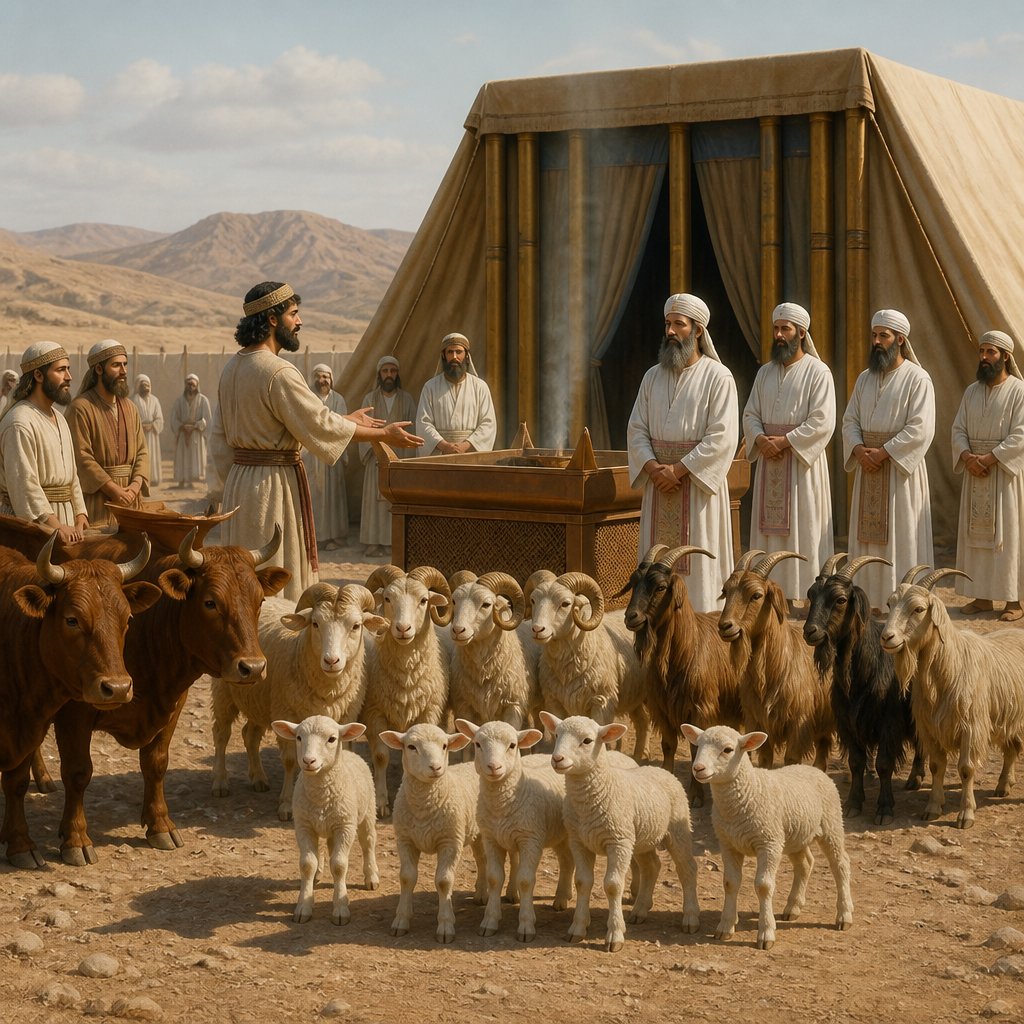
The Book of Numbers often seems like a dry account of ancient Israel’s journeys, laws, and offerings. However, every detail, including the peace offerings described in Numbers 7:17, reveals profound truths about our relationship with God. The verse states, "And for a sacrifice of peace offerings, two oxen, five rams, five he goats, five lambs of the first year: this was the offering of Nahshon the son of Amminadab."
To fully grasp the significance of Nahshon’s offering, it is essential to understand the nature of the peace offering in the Old Testament context. Peace offerings were different from sin offerings or burnt offerings; they represented a voluntary act of worship. Unlike other sacrifices that were to atone for sin, peace offerings were given out of gratitude, to celebrate fellowship with God, or to signify good will. When someone presented a peace offering, it was an expression of joy and the desire for unity.
Nahshon, the son of Amminadab, was a leader of the tribe of Judah and presented this offering as part of the dedication of the altar, following the completion of its construction. His offering of two oxen, five rams, five goats, and five lambs was significant not just in its quantity, but in its diversity. Each animal represents various aspects of life among the people—strength (oxen), vitality (rams), the innocence and purity (lambs), and the community (goats).
The sheer volume of Nahshon’s offering portrays a lifestyle of abundance and generosity. It is essential to note that Nahshon did not merely give what was required—he went above and beyond, providing more than what was expected. This act teaches us about the heart of worship. Our acts of giving should stem from a joy-filled desire to honor God rather than from obligation or duty. In 2 Corinthians 9:7, Paul reminds us, "Every man according as he purposeth in his heart, so let him give; not grudgingly, or of necessity: for God loveth a cheerful giver."
Furthermore, Nahshon’s peace offering serves as a community-building act. In ancient Israel, part of the peace offering would be consumed in a communal meal. This sharing not only signified reconciliation and harmony with God but also fostered relationships among the people. It was a way for the community to gather, eat, and celebrate together the goodness of God and the blessings He had bestowed upon them. In our modern lives, how often do we take the time to gather in fellowship, sharing not only meals but our lives and our praises to God?
The act of offering peace offerings also teaches us about the concept of wholeness in our lives. The Hebrew word for peace is 'Shalom,' which implies not only the absence of conflict but a state of completeness, fulfillment, and well-being. When we engage in acts of worship – whether through personal devotion, communal gatherings, or acts of service – we are acknowledging that God is the source of our peace. Therefore, offering our time, resources, and hearts as Nahshon did is part of experiencing and extending this Shalom to others.
Lastly, let us not forget that Nahshon’s offering came at a pivotal moment in Israel’s journey. As they began to establish their community and worship practices, the peace offering symbolizes the desire for God’s presence to dwell among them. In the same way, we are challenged to consider what we are bringing to God today. Are we offering ourselves as living sacrifices (Romans 12:1)? Are we sharing His blessings with others to foster a sense of community?
In conclusion, Nahshon’s offering in Numbers 7:17 exemplifies a heart that desires peace, unity, and generous worship. As modern believers, let us strive to express our gratitude and love for God through our acts of worship and service, creating a ripple effect of peace within our families, church, and wider communities. As we do, may we reflect the heart of Christ, who made peace between God and humanity through His ultimate sacrifice.
Get our apps


Artwork for Numbers 7:17

Numbers 7:17 - "And for a sacrifice of peace offerings, two oxen, five rams, five he goats, five lambs of the first year: this was the offering of Nahshon the son of Amminadab."
"And for a sacrifice of peace offerings, two oxen, five rams, five he goats, five lambs of the first year: this was the offering of Nahshon the son of Amminadab." - Numbers 7:17

Numbers 17:7 - "And Moses laid up the rods before the LORD in the tabernacle of witness."
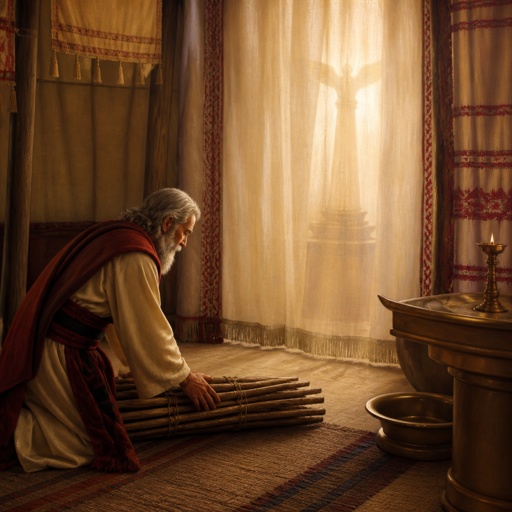
"And Moses laid up the rods before the LORD in the tabernacle of witness." - Numbers 17:7

Numbers 11:17
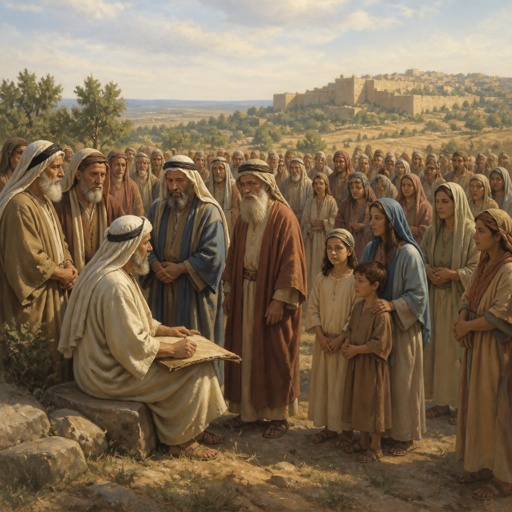
"The children of Azgad, two thousand three hundred twenty and two." - Nehemiah 7:17

Numbers 25:17 - "Vex the Midianites, and smite them:"

Numbers 15:17 - "¶ And the LORD spake unto Moses, saying,"

Numbers 33:17 - "And they departed from Kibroth-hattaavah, and encamped at Hazeroth."

Numbers 26:17 - "Of Arod, the family of the Arodites: of Areli, the family of the Arelites."

Numbers 17:1 - "And the LORD spake unto Moses, saying,"

Numbers 29:7

Numbers 4:7

Numbers 4:17 - "¶ And the LORD spake unto Moses and unto Aaron, saying,"

Numbers 3:17 - "And these were the sons of Levi by their names; Gershon, and Kohath, and Merari."

Numbers 1:17 - "¶ And Moses and Aaron took these men which are expressed by their names:"

Numbers 7:1-9

Numbers 7:7 - "Two wagons and four oxen he gave unto the sons of Gershon, according to their service:"

Numbers 4:7-8

John 7:17-18

John 7:17-18

Numbers 1:7 - "Of Judah; Nahshon the son of Amminadab."

John 7:17-18

John 7:17-18

"Vex the Midianites, and smite them:" - Numbers 25:17

Numbers 21:17 - "¶ Then Israel sang this song, Spring up, O well; sing ye unto it:"

Numbers 17:11 - "And Moses did so: as the LORD commanded him, so did he."

Numbers 7:64 - "One kid of the goats for a sin offering:"

Numbers 7:76 - "One kid of the goats for a sin offering:"

Numbers 7:34 - "One kid of the goats for a sin offering:"