The Language of Generosity: A Heart of Worship
“His offering was one silver charger, the weight whereof was an hundred and thirty shekels, one silver bowl of seventy shekels, after the shekel of the sanctuary; both of them full of fine flour mingled with oil for a meat offering:” — Numbers 7:37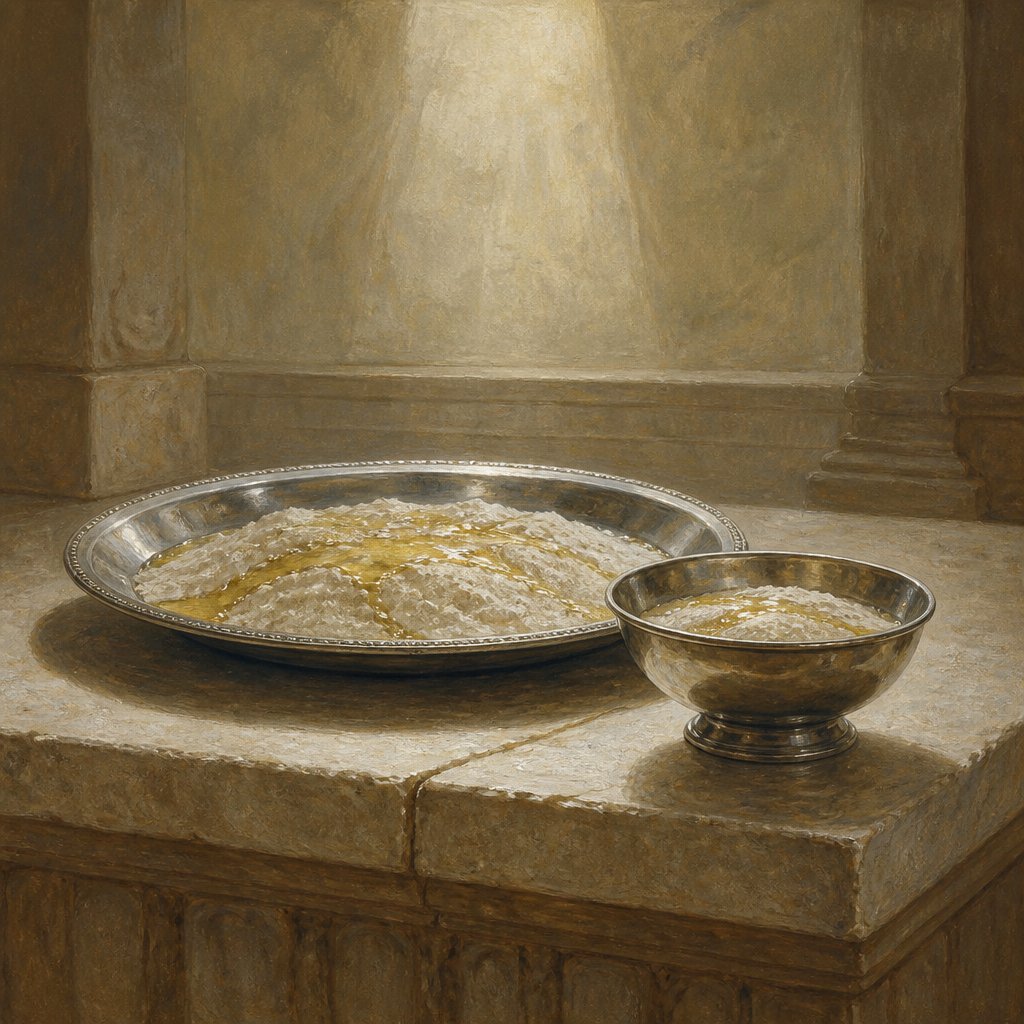
In Numbers 7:37, we find a detailed account of the offerings presented by the leaders of the tribes of Israel. Specifically, verse 37 reads: "His offering was one silver charger, the weight whereof was an hundred and thirty shekels, one silver bowl of seventy shekels, after the shekel of the sanctuary; both of them full of fine flour mingled with oil for a meat offering" (KJV). At first glance, this verse might seem like a mere listing of items with their weights and purposes, but beneath the surface lies an important lesson about worship and generosity.
In the broader context of Numbers 7, we see that the Israelites are in the wilderness, yet they come forth with their offerings. The choices the leaders make speak of their hearts and what they regard as valuable. Each item isn't just a material possession; it represents devotion, sacrifice, and a recognition of God’s providence. The silver charger and silver bowl, alongside their specified weights and contents, signal a conscious act of giving, meant to honor the Lord.
When we evaluate the details of these offerings, we first observe that they’re correlated with the weight of the shekel from the sanctuary. This indicates a standard of worth rooted in the holiness of God. The weight of offerings—the silver charger at 130 shekels and the bowl at 70 shekels—is significant as it expresses how the leaders valued their relationship with God. They do not give reluctantly or without thought; they give in accordance with a divine standard, understanding that true worship demands our best, our first, and our finest.
Moreover, the contents of these vessels—fine flour mingled with oil—illustrate the necessity of quality in our acts of worship. The fine flour symbolizes purity and effort. It’s no casual offering; it requires intention and skill. Similarly, oil in biblical terms often signifies the Holy Spirit—a presence that brings flavor and richness to our lives. The combination of the two signifies that our offerings, both physical and spiritual, should be infused with the Spirit of God. We are called to bring to God not just our surplus but our very best, mingling our gifts with the grace He provides.
As we reflect upon these offerings today, let’s consider how we approach our own worship and giving. Do we offer what is convenient, or do we offer what we consider precious? Are we willing to bring our "silver chargers" and "silver bowls" to the altar, fully aware of their worth? In contemporary terms, this can translate to our time, talent, finances, and heart. Our offerings should be not merely transactional but transformational, ingrained with love and reverence for the Almighty.
Furthermore, the act of giving brings us closer into fellowship with God. In offering something of value, we recognize God’s provision in our lives. When we give generously, we acknowledge that everything we have is ultimately His. These decisions invite us into a deeper understanding of stewardship and legacy—what we give today shapes not only our own walks but also the community that surrounds us.
Lastly, let’s not overlook the communal aspect of offerings in Numbers 7. The offerings collectively contributed to the spiritual journey of an entire nation. In our churches and communities, how we give can set a tone for corporate worship. Our individual acts of giving influence the wider faith journey, inspiring others to worship with their own valuable offerings.
In conclusion, Numbers 7:37 teaches us that our offerings to God should be richly meaningful, marked by purity, intention, and acknowledgement of His spirit at work in our lives. May our hearts mirror that of the leaders of Israel as we present our lives as living sacrifices, holy and acceptable unto God (Romans 12:1), ensuring that every act of giving reflects our worship and love for Him.
Get our apps


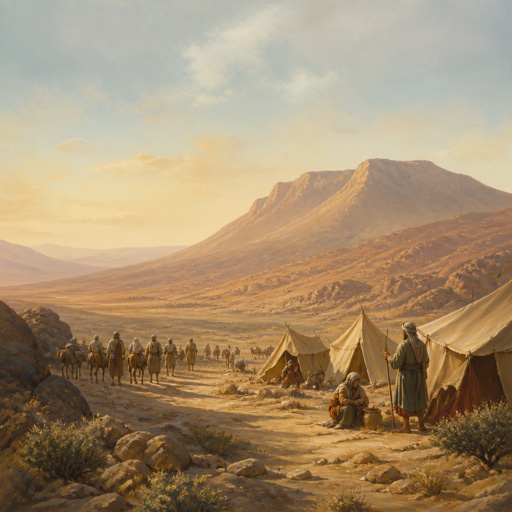
Artwork for Numbers 7:37
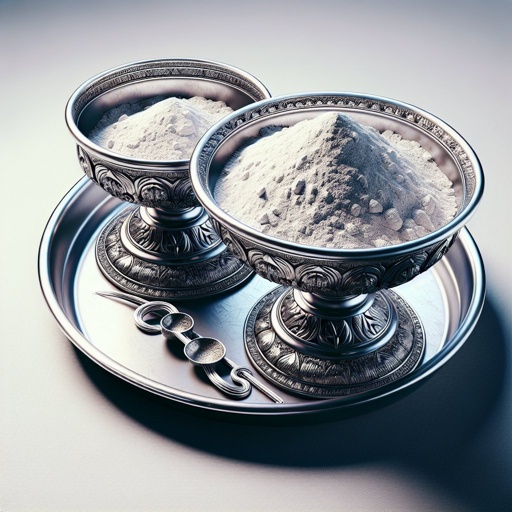
Numbers 7:37 - "His offering was one silver charger, the weight whereof was an hundred and thirty shekels, one silver bowl of seventy shekels, after the shekel of the sanctuary; both of them full of fine flour mingled with oil for a meat offering:"
"His offering was one silver charger, the weight whereof was an hundred and thirty shekels, one silver bowl of seventy shekels, after the shekel of the sanctuary; both of them full of fine flour mingled with oil for a meat offering:" - Numbers 7:37

Numbers 15:37 - "¶ And the LORD spake unto Moses, saying,"

Numbers 32:37 - "And the children of Reuben built Heshbon, and Elealeh, and Kirjathaim,"

"The children of Lod, Hadid, and Ono, seven hundred twenty and one." - Nehemiah 7:37

Numbers 3:37 - "And the pillars of the court round about, and their sockets, and their pins, and their cords."

Numbers 31:37 - "And the LORD'S tribute of the sheep was six hundred and threescore and fifteen."

John 7:37-39

John 7:37-39

Ezekiel 37:7

Psalms 37:7

Numbers 33:37 - "And they removed from Kadesh, and pitched in mount Hor, in the edge of the land of Edom."

Numbers 29:37 - "Their meat offering and their drink offerings for the bullock, for the ram, and for the lambs, shall be according to their number, after the manner:"

Numbers 1:37 - "Those that were numbered of them, even of the tribe of Benjamin, were thirty and five thousand and four hundred."

Mark 7:31-37

Ezekiel 37 1-7

Mark 7:31-37

"¶ And the LORD spake unto Moses, saying," - Numbers 15:37

Numbers 14:37 - "Even those men that did bring up the evil report upon the land, died by the plague before the LORD."

"And the children of Reuben built Heshbon, and Elealeh, and Kirjathaim," - Numbers 32:37

Numbers 26:37 - "These are the families of the sons of Ephraim according to those that were numbered of them, thirty and two thousand and five hundred. These are the sons of Joseph after their families."

1 Chronicles 7:37 - "Bezer, and Hod, and Shamma, and Shilshah, and Ithran, and Beera."

Nehemiah 7:37 - "The children of Lod, Hadid, and Ono, seven hundred twenty and one."

"And the LORD'S tribute of the sheep was six hundred and threescore and fifteen." - Numbers 31:37
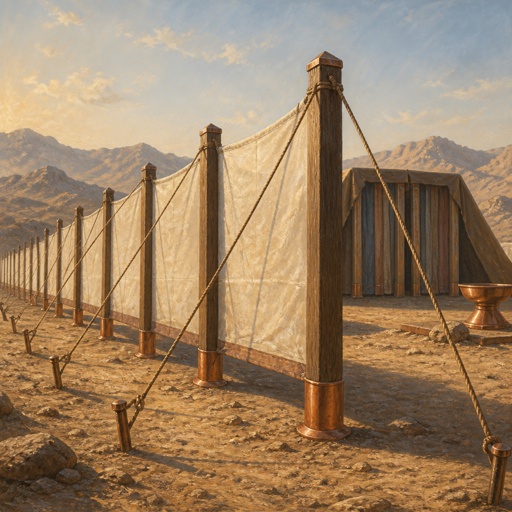
"And the pillars of the court round about, and their sockets, and their pins, and their cords." - Numbers 3:37

Numbers 4:37 - "These were they that were numbered of the families of the Kohathites, all that might do service in the tabernacle of the congregation, which Moses and Aaron did number according to the commandment of the LORD by the hand of Moses."

Numbers 16:37 - "Speak unto Eleazar the son of Aaron the priest, that he take up the censers out of the burning, and scatter thou the fire yonder; for they are hallowed."

Numbers 29:7

Numbers 4:7
"And they removed from Kadesh, and pitched in mount Hor, in the edge of the land of Edom." - Numbers 33:37