Remembering the Passover: Lessons from Numbers 9:11
“The fourteenth day of the second month at even they shall keep it, and eat it with unleavened bread and bitter herbs.” — Numbers 9:11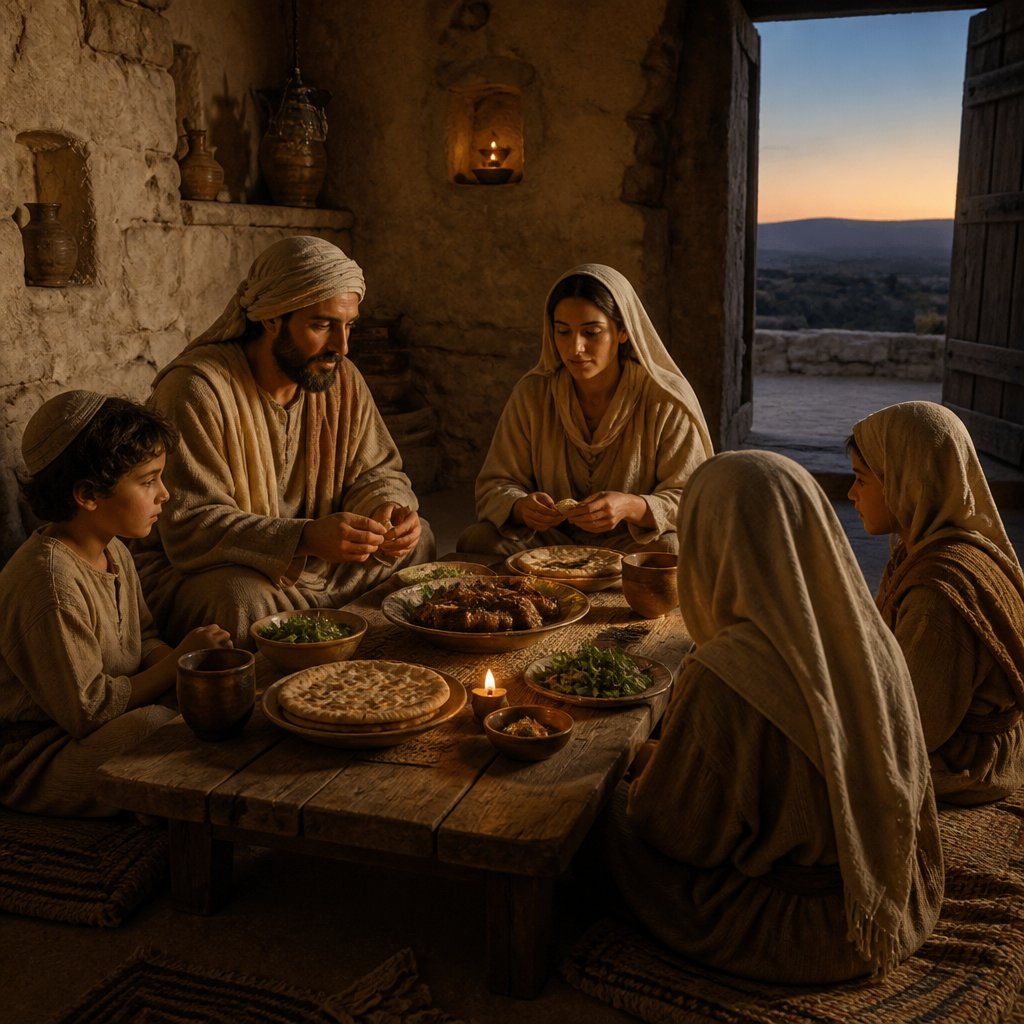
In the Book of Numbers, chapter 9, verse 11, we read, “The fourteenth day of the second month at even they shall keep it, and eat it with unleavened bread and bitter herbs.” This verse is a powerful reminder of God's commands and the important symbolism behind the Passover meal, which also reflects on themes of remembrance, community, and spiritual renewal.
The context of this verse is critical to our understanding. The Israelites were in the wilderness after their exodus from Egypt, and God was giving them instructions on how to celebrate Passover. The Passover itself was instituted in Exodus, marking the moment when God spared the Israelites from the last plague in Egypt. The act of eating the Passover meal, which included unleavened bread and bitter herbs, was a critical remembrance of God's deliverance from slavery and the significant journey toward freedom.
Let us first consider the timing specified, “the fourteenth day of the second month at even.” This timing emphasizes the importance of obedience to God’s commands. The Israelites were to observe the Passover at a set time, reminding them to be diligent in fulfilling God's requirements. For us today, this invites reflection on our own obedience to God. Are we attentive to the ways He calls us to act? Do we set aside time for remembrance and gratitude in our fast-paced lives?
As the verse mentions the meal itself—“eat it with unleavened bread”—this bread was symbolic. Unleavened bread, or matzah, represents purity, humility, and the haste at which the Israelites had to leave Egypt. When they fled, there was no time for the bread to rise. In our lives, this raises questions about what we need to let go of—what leaven (sin, pride, distractions) we must remove to allow for spiritual growth and a closer relationship with God. We should examine our lives regularly, seeking to embody the humility and purity that Jesus exemplified.
Bitter herbs were also a significant part of the meal. They served as a reminder of the bitterness of slavery that the Israelites endured in Egypt. When we partake in the Lord's Supper, which can be viewed as a modern-day Passover remembrance, we, too, acknowledge the hardships and sufferings we encounter in our spiritual journeys. The act of remembering the bitterness can teach us gratitude for our deliverance and give us a greater appreciation for the freedom we have in Christ. It reminds us to pray for those who are still in bondage, both physically and spiritually, encouraging us to be instruments of God’s grace in the world.
As we meditate on Numbers 9:11, we must also reflect on community. The Israelites were instructed to partake in the Passover meal together with their families and neighbors. In doing so, they created a sense of solidarity and strengthened their bonds as a community of believers. Likewise, as members of the body of Christ, we are called to observe sacraments together, sharing in the joys and sorrows of our journeys. It is a communal aspect of our faith that fosters unity and love, making our worship richer and deeper.
Furthermore, this verse calls us to remember the ultimate sacrifice that was made for our freedom. Just as the blood of the lamb protected the Israelites, we remember that Jesus Christ is our Passover Lamb. His sacrifice obtained our deliverance from sin and death, highlighting a profound truth that we must not take for granted.
Therefore, allow Numbers 9:11 to beckon you into a deeper understanding of your faith. Let the observance of the Lord’s Supper and the remembrance of the Passover renew your spirit and establish within you a commitment to purity, community, and gratitude. As we reflect on God's past deliverances, may we always look forward in hope to future promises, knowing that He is faithful in all His ways.
Get our apps


Artwork for Numbers 9:11

Numbers 9:11 - "The fourteenth day of the second month at even they shall keep it, and eat it with unleavened bread and bitter herbs."
"The fourteenth day of the second month at even they shall keep it, and eat it with unleavened bread and bitter herbs." - Numbers 9:11

Numbers 11:9 - "And when the dew fell upon the camp in the night, the manna fell upon it."

"And when the dew fell upon the camp in the night, the manna fell upon it." - Numbers 11:9

Numbers 11

Numbers 9:9 - "¶ And the LORD spake unto Moses, saying,"

Numbers 11:17

Numbers 11 quail

Numbers 11:15

Numbers 11:5

Numbers 11:16-26

Numbers 7:1-9

Numbers 11. 4 to 6

Numbers 1:11 - "Of Benjamin; Abidan the son of Gideoni."

Numbers 26:11 - "Notwithstanding the children of Korah died not."

Numbers 1:9 - "Of Zebulun; Eliab the son of Helon."

"¶ And the LORD spake unto Moses, saying," - Numbers 9:9

Numbers 35:9 - "¶ And the LORD spake unto Moses, saying,"

Numbers 5:11 - "¶ And the LORD spake unto Moses, saying,"

Numbers 3:11 - "And the LORD spake unto Moses, saying,"

Numbers 13:9 - "Of the tribe of Benjamin, Palti the son of Raphu."

Numbers 11 dead quail Moses

Numbers 11:7 - "And the manna was as coriander seed, and the colour thereof as the colour of bdellium."

Numbers 12:9 - "And the anger of the LORD was kindled against them; and he departed."

Numbers 25:9 - "And those that died in the plague were twenty and four thousand."

Numbers 33:11 - "And they removed from the Red sea, and encamped in the wilderness of Sin."

Numbers 11:30 - "And Moses gat him into the camp, he and the elders of Israel."

Numbers 9:16 - "So it was alway: the cloud covered it by day, and the appearance of fire by night."

Numbers 22:9 - "And God came unto Balaam, and said, What men are these with thee?"

Numbers 13:11 - "Of the tribe of Joseph, namely, of the tribe of Manasseh, Gaddi the son of Susi."