Unity in Celebration: Embracing the Stranger Among Us
"And if a stranger shall sojourn among you, and will keep the passover unto the LORD; according to the ordinance of the passover, and according to the manner thereof, so shall he do: ye shall have one ordinance, both for the stranger, and for him that was born in the land." - Numbers 9:14
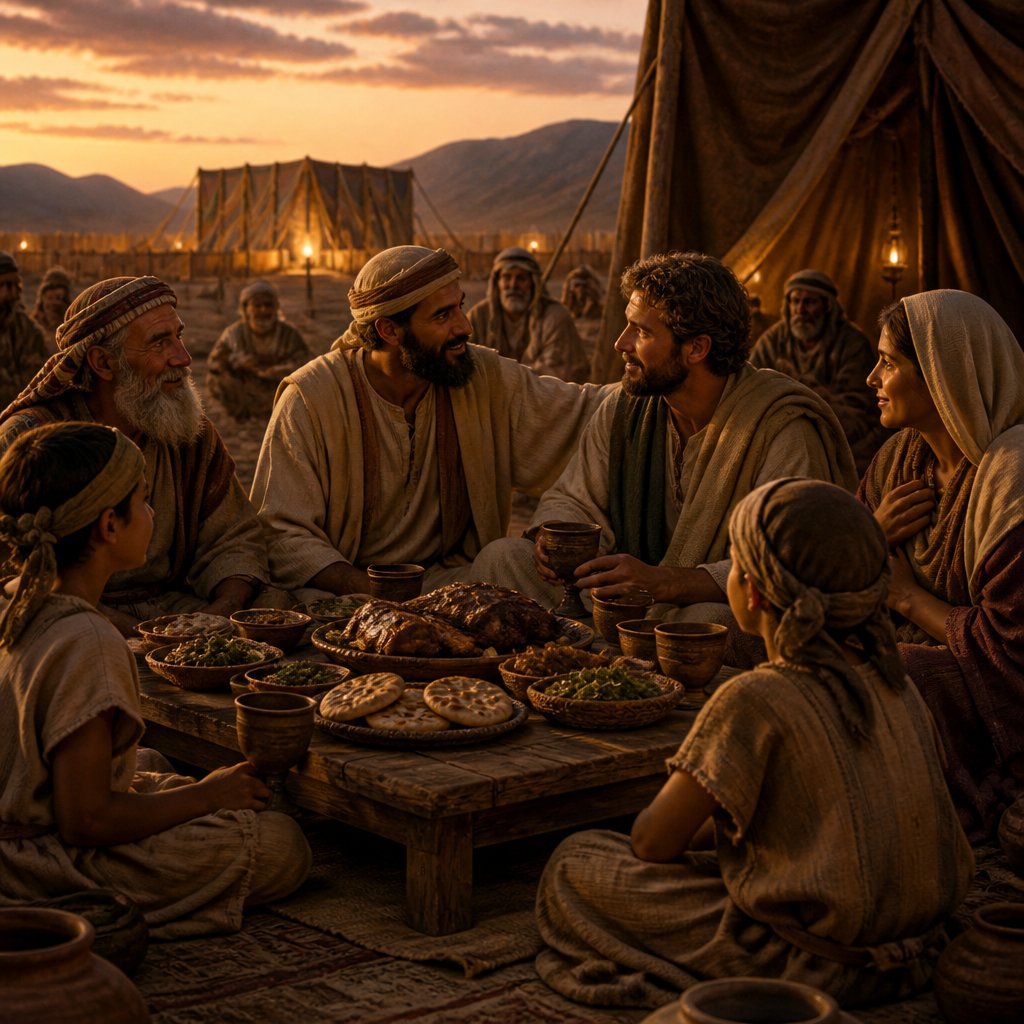
In the book of Numbers 9:14, we read the profound command: "And if a stranger shall sojourn among you, and will keep the passover unto the LORD; according to the ordinance of the passover, and according to the manner thereof, so shall he do: ye shall have one ordinance, both for the stranger, and for him that was born in the land." This verse speaks volumes about inclusion, community, and the breadth of God's love that transcends borders, backgrounds, and beliefs.
The Passover, a celebration rooted in the liberation from Egypt, signifies not only the physical journey from oppression to freedom but also the spiritual journey into the covenant relationship with God. This very festival was a sacred rite for the Israelites, commemorating their deliverance and commitment to God's commandments. Yet, interestingly, we see here in Numbers that God's instructions extend beyond the Israelites themselves; they encompass those who may be considered outsiders—the strangers and foreigners among them. This inclusion invites us to reflect on the nature of our communities today and how we are welcoming those who may be different from us.
Imagine the scene: a significant feast, laden with traditions and practices, where both the native-born Israelites and the foreigners participate equally in the observance of Passover. This indicates a radical openness that was perhaps unexpected at the time. By insisting that there be "one ordinance" for both, God establishes a principle that His love and grace are accessible to everyone, regardless of their origins. In a world filled with divisions and exclusivity, this command challenges us to foster an environment of inclusivity.
As Christians, we are called to embody this principle as we engage with our neighbors—both those who share our beliefs and those who do not. The New Testament reinforces this idea through Jesus’ ministry, where He consistently reached across social and cultural boundaries, offering grace and acceptance to the marginalized, the sinner, and the outcast. Just as God welcomed the stranger to partake in the Passover feast, Jesus invites everyone to the table, saying, "Come to Me, all ye that labour and are heavy laden, and I will give you rest" (Matthew 11:28, KJV).
The call to embrace the stranger can be challenging. In our day-to-day life, we may feel the urge to create barriers—whether based on nationality, religion, or socioeconomic status. Yet, as we reflect on Numbers 9:14, we are reminded that hospitality and grace transcend these boundaries. God’s assertion that there is one ordinance for both the native and the stranger illustrates not just God’s justice, but His heart for community and connection. We are reminded that we are one body (1 Corinthians 12:27) in Christ, entrusted with the responsibility to foster love and unity.
In practical terms, how do we apply this message? First, we must learn to recognize and reach out to those who are different from us. This could mean welcoming a new neighbor from a different background, engaging with someone whose beliefs differ from ours, or simply being a listening ear to the stories of those who feel like outsiders. Next, we must take the time to educate ourselves about different cultures and perspectives. By learning about others' experiences, we can better appreciate their journeys and the richness they bring to our communal faith.
Moreover, we must cultivate environments within our churches and communities that reflect the inclusivity God desires. Let us create gatherings not just for ourselves but for our neighbors and those who might feel alienated. It’s in these shared spaces that we can celebrate our diversity and find unity in our worship of the Living God.
In conclusion, Numbers 9:14 beckons us towards a beautiful vision of unity. God’s instruction to have one ordinance for both the stranger and the native-born is a call to embody His inclusiveness as we live out our faith. May we be bold in our hospitality, fearless in offering grace, and relentless in our pursuit of unity within the diverse tapestry that God has created. Let us remember that His love knows no bounds, and it is our joy to reflect that to an often fragmented world.
Want to reflect more on Numbers 9:14?
Continue your spiritual journey with Bible Chat — an AI-powered tool for exploring God's Word through conversation. Ask questions, discover connections, and deepen your understanding.
Get Our Apps


Numbers 9:14 Artwork

Numbers 9:14 - "And if a stranger shall sojourn among you, and will keep the passover unto the LORD; according to the ordinance of the passover, and according to the manner thereof, so shall he do: ye shall have one ordinance, both for the stranger, and for him that was born in the land."
"And if a stranger shall sojourn among you, and will keep the passover unto the LORD; according to the ordinance of the passover, and according to the manner thereof, so shall he do: ye shall have one ordinance, both for the stranger, and for him that was born in the land." - Numbers 9:14

numbers 21:8-9 & John 3:14

Numbers 14:9 - "Only rebel not ye against the LORD, neither fear ye the people of the land; for they are bread for us: their defence is departed from them, and the LORD is with us: fear them not."

Numbers 9:9 - "¶ And the LORD spake unto Moses, saying,"

Numbers 14:8

Numbers 14:8

Numbers 14:8

Ending scene of numbers 14

numbers 31:14-15

Numbers 1:14 - "Of Gad; Eliasaph the son of Deuel."

Numbers 7:1-9

Numbers 13:14 - "Of the tribe of Naphtali, Nahbi the son of Vophsi."

Scene from numbers 14:45

Numbers 14:32 - "But as for you, your carcases, they shall fall in this wilderness."

Numbers 1:9 - "Of Zebulun; Eliab the son of Helon."

"¶ And the LORD spake unto Moses, saying," - Numbers 9:9

Numbers 35:9 - "¶ And the LORD spake unto Moses, saying,"

Numbers 18:14 - "Every thing devoted in Israel shall be thine."
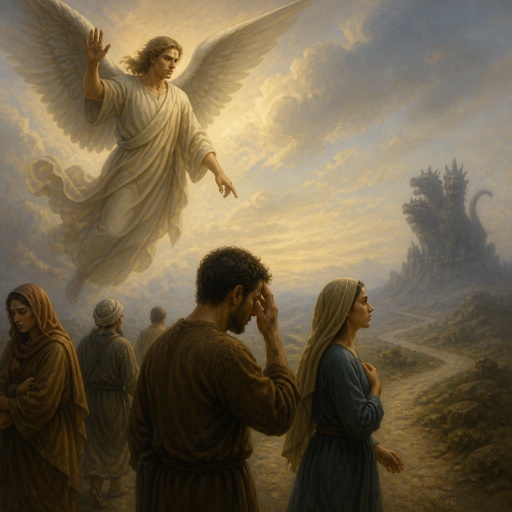
"And the third angel followed them, saying with a loud voice, If any man worship the beast and his image, and receive his mark in his forehead, or in his hand," - Revelation 14:9

Numbers 3:14 - "¶ And the LORD spake unto Moses in the wilderness of Sinai, saying,"

Numbers 7:14 - "One spoon of ten shekels of gold, full of incense:"

Numbers 13:9 - "Of the tribe of Benjamin, Palti the son of Raphu."

Numbers 14:26 - "¶ And the LORD spake unto Moses and unto Aaron, saying,"

Numbers 26:14 - "These are the families of the Simeonites, twenty and two thousand and two hundred."

Genesis 14:9 With Chedorlaomer the king of Elam, and with Tidal king of nations, and Amraphel king of Shinar, and Arioch king of Ellasar; four kings with five.

Numbers 12:9 - "And the anger of the LORD was kindled against them; and he departed."

Numbers 25:9 - "And those that died in the plague were twenty and four thousand."

Numbers 14:20 - "And the LORD said, I have pardoned according to thy word:"

Numbers 14:21 - "But as truly as I live, all the earth shall be filled with the glory of the LORD."