The Power of Words: Healing or Hurting?
“There is that speaketh like the piercings of a sword: but the tongue of the wise is health.” — Proverbs 12:18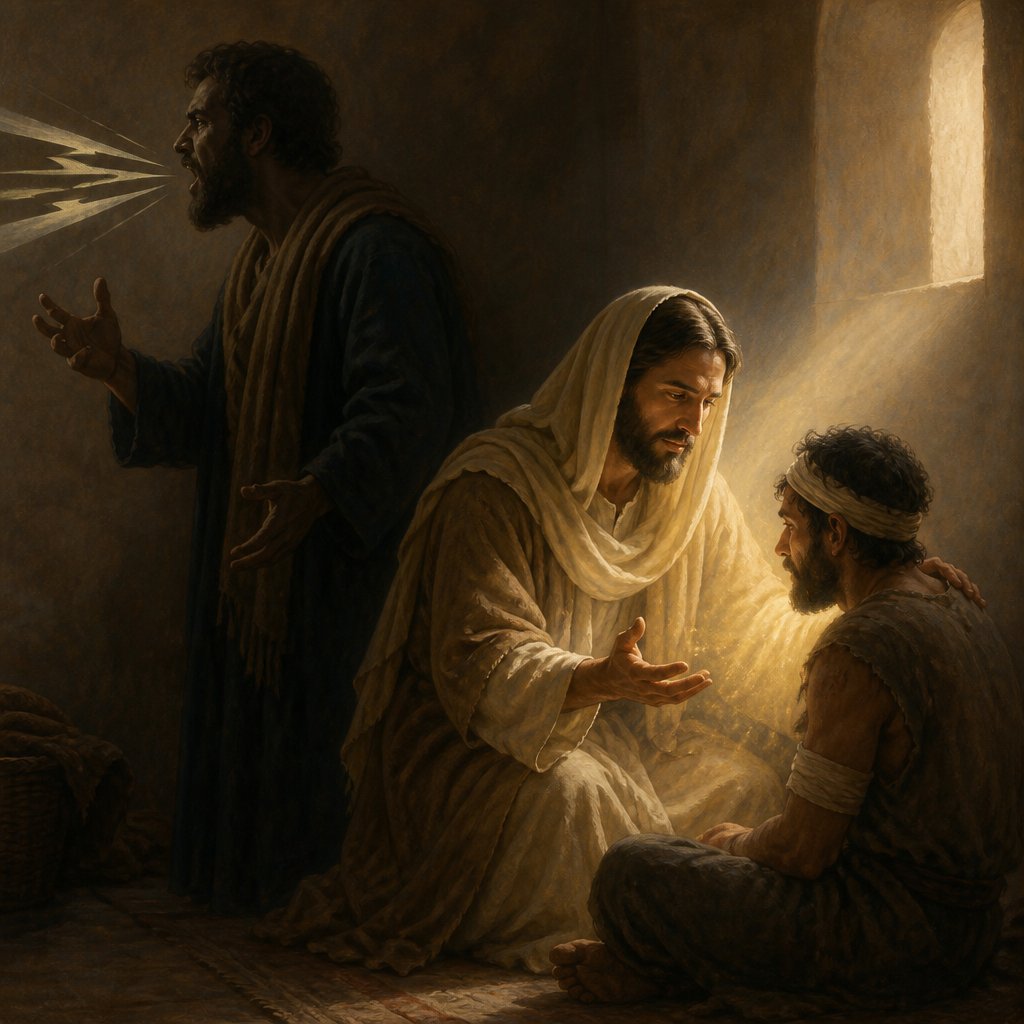
Proverbs 12:18 speaks a truth that resonates deeply within our interactions: "There is that speaketh like the piercings of a sword: but the tongue of the wise is health." This verse encapsulates a profound lesson about the impact of our words, revealing the contrasting effects they can have on others. In a world where communication is instant, often hurried, and sometimes carelessly rendered, the wisdom of this ancient proverb holds eternal relevance.
The imagery of the tongue likened to a sword is vivid and striking. When one speaks "like the piercings of a sword," their words can inflict pain, causing wounds that may not always be visible but are very much real. This comparison suggests that words have the power to harm. Each piercing word can leave debilitating scars on the hearts of those who hear them. Perhaps you have experienced this; a careless comment, a harsh critique, or a biting retort lingers in your memory long after it was spoken. Just as a sword can slay a body, so too can our words slay a spirit.
On the flip side, the latter half of the verse proclaims that "the tongue of the wise is health." This passage answers the challenge of careless words with the promise of wise communication. The wise person speaks with understanding, compassion, and love. Their words are not merely a collection of sounds; they are deliberate, chosen carefully for their potential impact. Just as a healing balm soothes a wound, wise words can uplift and encourage, providing life and restoration to the weary.
To delve deeper into the implications of this verse, we must first reflect on our own speech. When we engage in conversation, are we mindful of our words? Do we understand the power that they carry? In James 3:5-6, it is said, "Even so the tongue is a little member, and boasteth great things. Behold, how great a matter a little fire kindleth! And the tongue is a fire, a world of iniquity: so is the tongue among our members, that it defileth the whole body, and setteth on fire the course of nature; and it is set on fire of hell." This passage reminds us that our tongue, though small, holds the capacity to create chaos and destruction if not controlled.
Conversely, consider the life-giving potential of wise speech. Proverbs 15:4 tells us that "A wholesome tongue is a tree of life: but perverseness therein is a breach in the spirit." Our words can be a source of nourishment and encouragement. When we speak with love, we reflect the heart of God. We can bring healing to those who are broken-hearted, and strength to those who are weary. In moments when a friend is struggling, being the bearer of wise counsel can be exactly what is needed, akin to administering a life-saving medicine.
Furthermore, it’s essential to remember the importance of listening. The wise tongue is not just about speaking well; it is also about the ability to listen and understand the concerns and pains of others. Proverbs 18:13 warns, "He that answereth a matter before he heareth it, it is folly and shame unto him." True wisdom requires patience and attentiveness, allowing others to feel valued and heard.
Today, let us commit to reflecting on our speech. Let’s ask ourselves, what kind of words am I speaking? Are they piercing or healing? Do they reflect wisdom or folly? May we strive to embody the characteristics of the wise, being instruments of health and healing through our communication. Let us also remember the transformative power of prayer, asking God to guard our hearts and mouths so that we can effectively use our words to glorify Him and build up those around us.
In conclusion, as we navigate our daily lives, let us carry the weight of Proverbs 12:18 in our hearts. May our tongues be sources of health, wisdom, and encouragement, ensuring that our words are more like the soothing balm rather than the piercing sword. Let us be ambassadors of Christ, speaking with grace, love, and a heart tuned to the needs of others.
Get our apps


Artwork for Proverbs 12:18

Proverbs 12:18 - "There is that speaketh like the piercings of a sword: but the tongue of the wise is health."
"There is that speaketh like the piercings of a sword: but the tongue of the wise is health." - Proverbs 12:18

Proverbs 18:12 - "Before destruction the heart of man is haughty, and before honour is humility."

"Before destruction the heart of man is haughty, and before honour is humility." - Proverbs 18:12

Proverbs 18:21

Proverbs 18:21

Proverbs 18:21

Proverbs 18:21

Proverbs 18:21

Proverbs 18:21

Proverbs 18:21

Proverbs 18:21

Proverbs 18:21

Proverbs 18:21
Proverbs 18:21

Proverbs 18:21

Proverbs 18:18 - "The lot causeth contentions to cease, and parteth between the mighty."

Proverbs 18 10

Proverbs 18 10

proverbs 5:12

proverbs 5:12

Proverbs 12:5

Proverbs 12:12 - "The wicked desireth the net of evil men: but the root of the righteous yieldeth fruit."

Proverbs 14:18 - "The simple inherit folly: but the prudent are crowned with knowledge."

Proverbs 18:23 - "The poor useth intreaties; but the rich answereth roughly."

Proverbs 21:18 - "The wicked shall be a ransom for the righteous, and the transgressor for the upright."

proverbs 5:11-12

proverbs 5:11-12

Proverbs 26:18 - "As a mad man who casteth firebrands, arrows, and death,"

Proverbs 18:10 - "The name of the LORD is a strong tower: the righteous runneth into it, and is safe."