The Wisdom of Understanding: A Reflection on Proverbs 17:18
“A man void of understanding striketh hands, and becometh surety in the presence of his friend.” — Proverbs 17:18
The Book of Proverbs is a treasure trove of wisdom, often encapsulating profound truths in succinct, memorable verses. Proverbs 17:18 states, "A man void of understanding striketh hands, and becometh surety in the presence of his friend." This verse touches on a crucial string of themes that are particularly relevant in our modern context: understanding, commitments, and the nature of our relationships.
To begin parsing this verse, we must first consider the term "void of understanding." Understanding in this biblical context refers not only to intellectual awareness but encompasses wisdom, judgment, and discernment. A lack of understanding is indicative of a person who may be rash or impulsive in their decisions, particularly regarding commitments and obligations. This is particularly poignant in a world where quick decisions can be made without sufficient contemplation.
The expression "striketh hands" refers to the act of making an agreement or entering into a bond, often implying entering a contract or becoming surety for another's debt. In ancient times, striking hands was a physical expression of sealing a deal; it was an outward sign of a pact made in reliance on trust. Yet, this verse goes deeper; it suggests the folly of entering into such binding commitments without the requisite understanding. The warning here is clear: one should not agree to bear the responsibility of another’s obligations lightly or without careful consideration.
Moreover, the phrase "in the presence of his friend" highlights the relational aspect intrinsic to this verse. It reminds us that commitments often take place within the realm of personal relationships, where emotions and loyalties can cloud our judgment. Friendship can create an atmosphere where one can feel pressure to acquiesce to requests or obligations that they might otherwise refuse. This is an important reminder to examine not just the terms of our commitments but also the underlying motivations that may drive us to agree to them.
So, what does this mean for us today? In a practical sense, we are often faced with choices that may require us to pledge ourselves to someone else's needs or desires. Be it a friend asking for a loan, a colleague seeking help with a project, or a family member needing support, the context is riddled with pressures that can lead us to act without sufficient understanding. This verse warns us against such impulsivity.
The spiritual takeaway is that we should foster deeper understanding before making commitments. Taking time to pray, seek counsel, and reflect on the potential consequences allows for wisdom to guide us rather than hasty reactions.
In writing this devotional, it strikes me how often we might rush into agreements that we haven't fully considered. How many times do we find ourselves saying "yes" to obligations simply because we are caught up in the heat of a moment or feel a sense of loyalty? Learning to pause, reflect, and seek God’s wisdom is crucial. James 1:5 encourages us, stating, "If any of you lack wisdom, let him ask of God, that giveth to all men liberally, and upbraideth not; and it shall be given him."
As we progress in our spiritual journey, let us aim to cultivate understanding and wisdom. Let us be those who first weigh the costs and consequences before striking hands. For ultimately, when we enter commitments, we want them to be founded not just on friendship and goodwill, but on a foundation of wisdom that honors God and reflects His character.
In conclusion, let us remember that a wise man weighs his choices and their implications. May we be diligent in our efforts to understand fully before making promises—whether to friends or in any area of our lives. In doing so, we honor our relationships and live according to God’s wise design.
Get our apps


Artwork for Proverbs 17:18

Proverbs 17:18 - "A man void of understanding striketh hands, and becometh surety in the presence of his friend."

"A man void of understanding striketh hands, and becometh surety in the presence of his friend." - Proverbs 17:18

Proverbs 18:17 - "He that is first in his own cause seemeth just; but his neighbour cometh and searcheth him."

Proverbs 14:17-19 - "17: A quick-tempered person does foolish things, and the one who devises evil schemes is hated. 18: The simple inherit folly, but the prudent are crowned with knowledge. 19: Evildoers will bow down in the presence of the good, and the wicked at the gates of the righteous."

Proverbs 22:17-18 - "Incline your ear, and hear the words of the wise, and apply your heart to my knowledge, for it will be pleasant if you keep them within you, if all of them are ready on your lips."
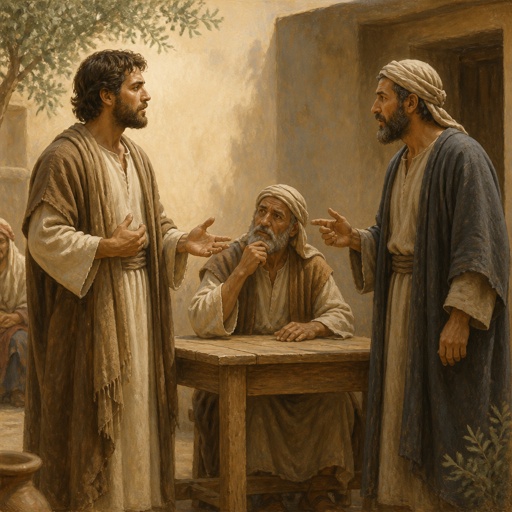
"He that is first in his own cause seemeth just; but his neighbour cometh and searcheth him." - Proverbs 18:17

Proverbs 18:21

Proverbs 18:21

Proverbs 18:21

Proverbs 18:21

Proverbs 18:21

Proverbs 18:21

Proverbs 18:21

Proverbs 18:21

Proverbs 18:21

Proverbs 18:21

Proverbs 18:21

Proverbs 18:21

Proverbs 18:18 - "The lot causeth contentions to cease, and parteth between the mighty."

Proverbs 17:17 - "A friend loveth at all times, and a brother is born for adversity."

Proverbs 17:6

Proverbs 27:17

Proverbs 27:17

Proverbs 18 10

Proverbs 18 10

Matthew 17:17-18

Matthew 17:17-18

Proverbs 17:27-28

Proverbs 17:27-28

Proverbs 17:27-28