The Froward Heart and Perversion of Speech
"He that hath a froward heart findeth no good: and he that hath a perverse tongue falleth into mischief." - Proverbs 17:20

In the profound depths of wisdom literature, Proverbs serves as a treasure trove of insights regarding human behavior and divine principles. One particularly striking verse, Proverbs 17:20 in the King James Version (KJV) asserts, "He that hath a froward heart findeth no good: and he that hath a perverse tongue falleth into mischief."
The verse begins by illuminating the state of the heart—the froward heart, which can be understood as one that is distorted, twisted, or morally dishonest. The implications of this heart state are practically dire; it states simply that such a heart finds no good. This suggests that a heart inclined toward deceit, selfishness, or rebellion finds itself void of goodness or prosperity. In a spiritual context, the heart is often viewed as the seat of a person’s thoughts, intentions, and emotions. Thus, when we allow our hearts to become froward—unkempt and unruly—we invite an absence of goodness into our lives.
In the scripture, there is a clear correlation between the condition of the heart and the outcome in life. A person possessing a froward heart ultimately leads a life disconnected from the divine will and moral truth. This detachment from goodness affects not just the individual but also ripples through their relationships and communities. We can look to the example of King Solomon, who, despite being endowed with wisdom, faced significant hardships as a result of his heart turning toward perverse idols and practices. The loss of direction in his life underscores the importance of maintaining a heart aligned with God's purpose.
The verse further states, "and he that hath a perverse tongue falleth into mischief." Here, the focus shifts to the power of speech. The tongue, as a small member of our body, wields authority through words that can both heal and hurt. The term 'perverse' denotes a deliberate turn away from what is right, suggesting that speech that is twisted or deceptive leads to negative consequences.
Reflecting on the perverse tongue, we can explore how our words are a vehicle for our heart's intentions. If our hearts are filled with frowardness—pride, bitterness, or envy—our speech will inevitably reflect this turmoil. We may find ourselves engaging in gossip, slander, or deceitful words that lead to chaos and discord, both in our own lives and the lives of those around us. Jesus, in Matthew 12:34, also reminds us, "For out of the abundance of the heart the mouth speaketh." This Scripture reinforces the understanding that the root of our speech stems from our inner being.
As followers of Christ, we are called to strive for purity in heart and in speech. James 1:26 cautions, "If any man among you seem to be religious, and bridle not his tongue, but deceiveth his own heart, this man's religion is vain." Thus, our religious life is intertwined with the integrity of our speech, and both must portray truth and righteousness.
In practical terms, the call to avoid a froward heart and a perverse tongue is a continual journey of self-reflection and growth. We must consistently align ourselves with the teachings of Scripture, allowing the truth of God's Word to shape our inner dialogue and outward communication. This applies not only to how we speak to others but also the internal narratives we hold regarding ourselves.
Ultimately, Proverbs 17:20 invites us to examine the condition of our hearts and the words we speak. Are they aligned with God’s goodness and truth? Are we fostering an environment of love and honesty? Let us pray for a heart that seeks goodness and a speech that glorifies God, ensuring that we cultivate both to reflect Christ in all facets of our lives. Only then shall we find not only goodness but a life rich with God’s blessing.
Want to reflect more on Proverbs 17:20?
Continue your spiritual journey with Bible Chat — an AI-powered tool for exploring God's Word through conversation. Ask questions, discover connections, and deepen your understanding.
Get Our Apps


Proverbs 17:20 Artwork

Proverbs 17:20 - "He that hath a froward heart findeth no good: and he that hath a perverse tongue falleth into mischief."

"He that hath a froward heart findeth no good: and he that hath a perverse tongue falleth into mischief." - Proverbs 17:20

Proverbs 20:17 - "Bread of deceit is sweet to a man; but afterwards his mouth shall be filled with gravel."
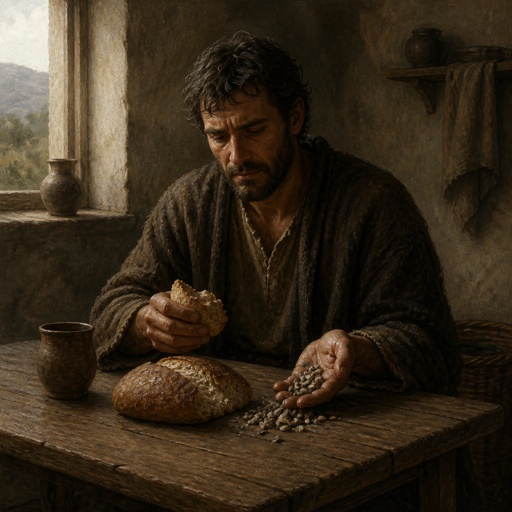
"Bread of deceit is sweet to a man; but afterwards his mouth shall be filled with gravel." - Proverbs 20:17

proverbs 1:20

proverbs 1:20

Proverbs 17:17 - "A friend loveth at all times, and a brother is born for adversity."

proverbs 1:20

proverbs 1:20

proverbs 1:20

proverbs 1:20

proverbs 1:20

proverbs 1:20

proverbs 1:20

proverbs 1:20

proverbs 1:20

Proverbs 1:20

proverbs 1:20

proverbs 1:20

proverbs 1:20

proverbs 1:20

proverbs 1:20

proverbs 1:20

proverbs 1:20

proverbs 1:20

Proverbs 17:6

proverbs 1:20

proverbs 1:20

proverbs 1:20

proverbs 1:20