Awake to Abundance: The Call to Diligence
“Love not sleep, lest thou come to poverty; open thine eyes, and thou shalt be satisfied with bread.” — Proverbs 20:13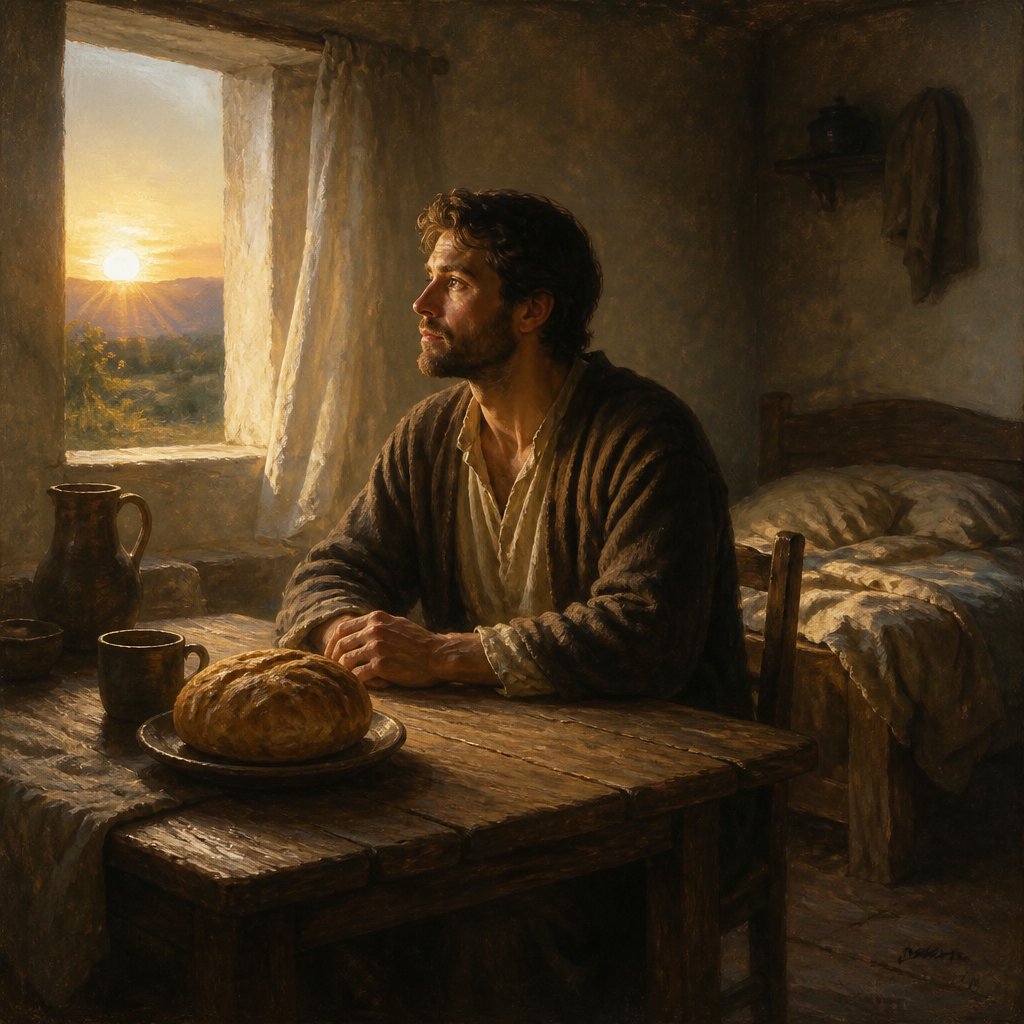
Proverbs 20:13 states, "Love not sleep, lest thou come to poverty; open thine eyes, and thou shalt be satisfied with bread." This proverbial wisdom speaks profoundly to us about the nature of diligence and the consequences of complacency. In a world that often glorifies rest and relaxation, this verse reminds us of the necessity of balance and the importance of our labor.
In the heart of this passage lies a warning against an excessive love for sleep. Sleep, in its rightful place, is a blessing from God, aiding in physical restoration and mental clarity. However, when love for sleep transforms into idleness, it becomes detrimental. The wise author of Proverbs warns that such a love leads us not only to laziness but ultimately to poverty. This poverty is not only financial; it can also be spiritual, emotional, and relational.
The world we inhabit frequently seduces us with the allure of comfort: the enticing call of staying in bed just a few minutes longer, forsaking timely action for the sake of fleeting pleasure. However, Proverbs challenges this behavior. Like a gentle but firm parent, it nudges us to understand that there is much more to life than a soft pillow and a warm blanket. What it urges us towards is action, towards awakening to the opportunities that surround us, opportunities that God has laid in our paths.
"Open thine eyes," this verse commands, and therein lies the transformative power of observation and awareness. When we rouse ourselves from the slumber of complacency, we engage with the world around us. We begin to see the needs of our families, the struggles of our communities, and the purposes God has set for us. The metaphor of opening our eyes is striking. It suggests that many of us are merely going through the motions of life, blind to the resources and blessings available to us because we have chosen comfort over action.
The second part of the verse promises satisfaction: "thou shalt be satisfied with bread." Bread here symbolizes sustenance, abundance, and the rewards of our hard work. It is not merely about physical bread, but about the satisfaction we derive from fulfilling our purpose and the joy found in providing for ourselves and others. The implication that satisfaction follows diligence is a recurring theme throughout scripture. When we pour ourselves into our endeavors, God promises to bless the work of our hands.
Nowhere is this balance more clearly epitomized than in the life of Jesus. He himself often sought solitude to pray and recharge, yet was tireless in His mission to serve, heal, and proclaim the Kingdom of God. Jesus taught us that rest is vital but so is the urgency of our calling. He embodied the perfect balance between taking time for renewal and responding to the needs of those around Him. His life illustrates the beauty of action accompanied by an awareness of God’s presence.
Moreover, a culture that treasures hard work and diligence reflects the very nature of God as a diligent creator. In Genesis, we see God working creatively in the act of creation—each day marked by purpose, intention, and leading to a beautiful result. Thus, we are called to mirror this example in our lives, recognizing that our endeavors are not merely for self-gain but part of the stewardship of God’s gifts.
As we consider the words of Proverbs 20:13, let us take it to heart. Let us not be lulled into complacency by the love of sleep but, instead, awaken with intent. Each morning is a precious gift to engage in the work God has set before us. May we open our eyes to His guidance, and in doing so, may we find our satisfaction—both in bread and the abundance that comes from fulfilling our divine potential.
Get our apps


Artwork for Proverbs 20:13

Proverbs 20:13 - "Love not sleep, lest thou come to poverty; open thine eyes, and thou shalt be satisfied with bread."
"Love not sleep, lest thou come to poverty; open thine eyes, and thou shalt be satisfied with bread." - Proverbs 20:13

Proverbs 13:20 - "He that walketh with wise men shall be wise: but a companion of fools shall be destroyed."

Proverbs 13:20 One who walks with wise men grows wise
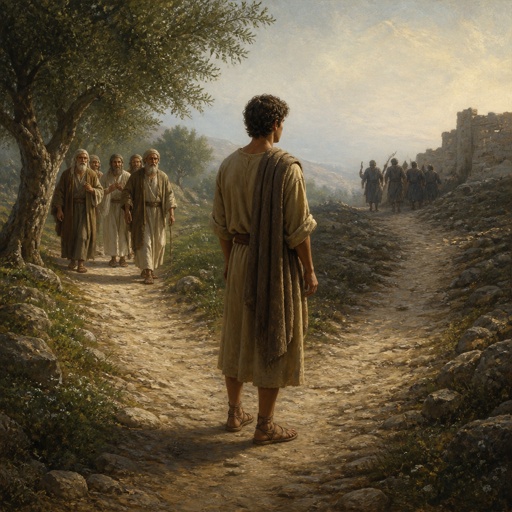
"He that walketh with wise men shall be wise: but a companion of fools shall be destroyed." - Proverbs 13:20

proverbs 1:20

proverbs 1:20
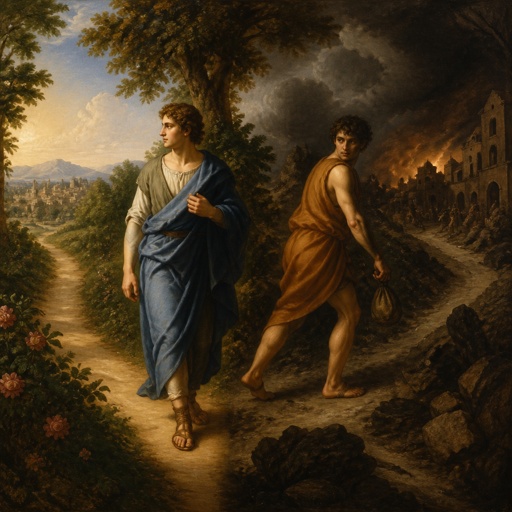
Proverbs 20:24

proverbs 1:20

proverbs 1:20

proverbs 1:20

proverbs 1:20

proverbs 1:20

proverbs 1:20

proverbs 1:20

proverbs 1:20

proverbs 1:20

proverbs 1:20

proverbs 1:20

proverbs 1:20

Proverbs 1:20

proverbs 1:20

proverbs 1:20

proverbs 1:20

proverbs 1:20

proverbs 1:20

Proverbs 26:20

proverbs 1:20

proverbs 1:20

proverbs 1:20