The Deceptive Voices of the Heart
"It is naught, it is naught, saith the buyer: but when he is gone his way, then he boasteth." - Proverbs 20:14

Proverbs 20:14 (KJV) states, "It is naught, it is naught, saith the buyer: but when he is gone his way, then he boasteth." This verse paints a vivid picture of human nature and the sin of dishonesty, particularly in the realm of commerce and negotiation. At first glance, it speaks of a buyer who makes light of a purchase—they dismiss its value during negotiations, only to later take pride in having acquired it for less than it was worth. Beneath this crafty surface lies an important lesson about integrity, value, and the true disposition of the heart.
At its core, this proverb illustrates the duality of human intention; it invites us to reflect on the masks we wear in various situations. The phrase "It is naught, it is naught" echoes the buyer’s attempt to undermine the value of what he is purchasing. By declaring that the item holds no worth, he hopes to secure a better price. This act represents a common human tendency to manipulate perceptions for personal gain. In essence, the buyer is not merely bargaining; he is practicing deception. This behavior serves as a reminder of the lengths to which people will go to satisfy their desires, often at the expense of honesty.
How often have we found ourselves in situations where we minimize the value of something to gain an advantage? It could be in negotiations, but can also extend to our relationships, our work ethics, and our commitments. This verse sets before us a critical choice: to either embrace authenticity or to trade it for selfish gain. In doing so, we are also reminded of the intrinsic worth of items and individuals—how easily we can overlook true value in the throes of desire or financial gain.
Moreover, the latter part of the verse, "but when he is gone his way, then he boasteth," reveals the buyer’s hypocrisy. Having secured the deal through deceit, he leaves the transaction with a newfound pride that underscores his victory in trickery. Here we witness a crucial aspect of the human condition: the celebration of success that is built upon dishonest practices. What starts with a heart that undervalues and deceives culminates in pride and self-congratulation. This boastfulness not only distances the buyer from the moral implications of his actions but also sheds light on a misplaced identity rooted in deceit rather than integrity.
As Christians, we are invited to examine our hearts and the underlying motivations behind our actions. Are we more focused on how we can manipulate circumstances for our benefit, or are we committed to upholding truth and integrity in all dealings? Proverbs is adamant about character and righteousness, prompting us to realize that every action carries weight. Indeed, God sees beyond our outward behaviors; He perceives the intentions and values hidden within our hearts.
In our daily lives, we might encounter a multitude of opportunities where we can choose integrity over deception, truth over pride. Be it in business dealings, friendships, or family relations, we can aim to speak and act with honesty and transparency. This means valuing the truth of a situation above the gains that might accompany dishonesty. 1 Thessalonians 4:12 reminds us to "walk honestly toward them that are without," encouraging us to reflect His character in every interaction.
Ultimately, let us seek to boast not in our cunning or shrewdness, but in our ability to embody the virtues of kindness, honesty, and integrity. May our hearts align with God's desire for truth so that our legacy doesn't echo the boast of a deceiver, but the faithful witness of a truth-teller who upholds God's principles, shining as a light in a world often clouded by darkness and dishonesty.
Want to reflect more on Proverbs 20:14?
Continue your spiritual journey with Bible Chat — an AI-powered tool for exploring God's Word through conversation. Ask questions, discover connections, and deepen your understanding.
Get Our Apps


Proverbs 20:14 Artwork

Proverbs 20:14 - "It is naught, it is naught, saith the buyer: but when he is gone his way, then he boasteth."

"It is naught, it is naught, saith the buyer: but when he is gone his way, then he boasteth." - Proverbs 20:14

Proverbs 14:20 - "The poor is hated even of his own neighbour: but the rich hath many friends."
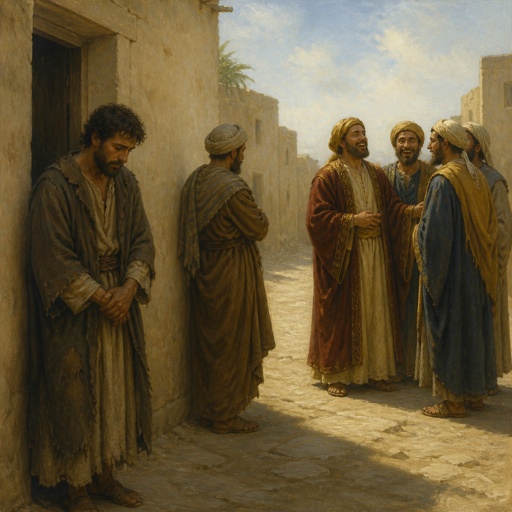
"The poor is hated even of his own neighbour: but the rich hath many friends." - Proverbs 14:20

proverbs 1:20

proverbs 1:20

proverbs 1:20

proverbs 1:20

proverbs 1:20

proverbs 1:20

proverbs 1:20

proverbs 1:20

proverbs 1:20

proverbs 1:20

proverbs 1:20

Proverbs 1:20

proverbs 1:20

proverbs 1:20

proverbs 1:20

proverbs 1:20

proverbs 1:20

proverbs 1:20

proverbs 1:20

proverbs 1:20

proverbs 1:20

proverbs 1:20

proverbs 1:20

proverbs 1:20

proverbs 1:20

proverbs 1:20