The Divine Delay: Trusting God's Timing
“Say not thou, I will recompense evil; but wait on the LORD, and he shall save thee.” — Proverbs 20:22
In a world that often seems ruled by the principle of retaliation, Proverbs 20:22 speaks profoundly to the human heart: "Say not thou, I will recompense evil; but wait on the LORD, and he shall save thee." This verse challenges our innate desire for immediate justice and control over our circumstances. It invites us to reflect deeply on the nature of waiting—waiting for God, waiting for justice, and waiting for healing.
The first part of this verse, "Say not thou, I will recompense evil;" exposes the temptation we face when we are wronged or mistreated. Our natural response is often immediate retribution; the urge to balance the scales of justice ourselves can be intoxicating. The Hebrew word for "recompense" carries the idea of paying back or giving back in kind, and in our minds, it often translates to an eye for an eye. Yet, God calls us to resist that urge, reminding us that vengeance is not our role. Romans 12:19 echoes this sentiment: "Dearly beloved, avenge not yourselves, but rather give place unto wrath: for it is written, Vengeance is mine; I will repay, saith the Lord."
Retaliation may seem just, but it often leads to a cycle of conflict, bitterness, and even further harm. God knows our hearts better than we do. He understands that holding onto the desire for vengeance can poison our spirit and lead us away from His peace. Instead of retaliating, we are encouraged to take a step back, to allow God to be the arbiter of justice.
This brings us to the latter part of the verse: "but wait on the LORD, and he shall save thee." Here, waiting on the Lord takes center stage. It is not a passive waiting but an active trust in God's timing and sovereignty. Waiting implies faith; it acknowledges that while our earthly perspective may lead us to believe that we must take matters into our own hands, God's view holds the fullness of truth that we cannot grasp. Waiting compels us to lean on His understanding, to seek His direction, and to rest in His character, which is perfectly just and good.
Consider the examples of biblical figures who exemplify this waiting period. Joseph, sold into slavery by his brothers, endured years of suffering and false accusation before being elevated to a position of prominence in Egypt. Throughout his trials, he chose to trust God, and ultimately, he was used as a conduit for saving many lives. David, pursued relentlessly by King Saul, refrained from taking vengeance upon Saul, waiting patiently for God's timing before ascending to the throne. Their stories remind us that while life may feel unfair, God is orchestrating every detail to fulfill His promise and purpose.
Moreover, waiting on the Lord doesn’t merely encompass the idea of a delayed response to our grievances. It also holds the promise of divine intervention and salvation. God’s method of saving us is often far beyond what we can imagine. He may choose to rescue us from pain, but He may also transform our hearts and use our suffering for a greater purpose. The beauty of waiting, then, is not only in the promise of deliverance but also in the transformation that occurs within us.
The path of waiting leads us to deeper reliance on God. It nurtures patience, strengthens our faith, and cultivates a heart that mirrors Christ’s love and forgiveness. When we choose to wait on the Lord, we align ourselves with His will rather than our own desires for immediate satisfaction. As we navigate through challenging circumstances, may we find solace in knowing that God's delay is not denial. He is at work, preparing us and the situation for a resolution that serves His sovereignty and purpose.
So the next time you feel the weight of injustice on your heart, remember Proverbs 20:22. Instead of taking matters into your own hands, choose to wait on the Lord, believing in His promise to save you. Trusting in God's timing is not merely a cliche; it is a profound act of faith that leads to peace, hope, and true resolution.
Get our apps


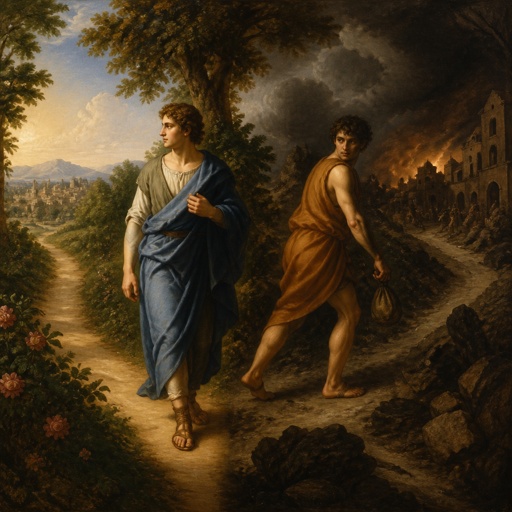
Artwork for Proverbs 20:22

Proverbs 20:22 - "Say not thou, I will recompense evil; but wait on the LORD, and he shall save thee."

"Say not thou, I will recompense evil; but wait on the LORD, and he shall save thee." - Proverbs 20:22

Proverbs 22:20 - "Have not I written to thee excellent things in counsels and knowledge,"

"Have not I written to thee excellent things in counsels and knowledge," - Proverbs 22:20

Proverbs 22

proverbs 1:20

proverbs 1:20

Proverbs 22:9

Proverbs 22:22 - "Rob not the poor, because he is poor: neither oppress the afflicted in the gate:"
Proverbs 20:24

proverbs 1:20

proverbs 1:20

proverbs 1:20

proverbs 1:20

proverbs 1:20

proverbs 1:20

proverbs 1:20

proverbs 1:20

proverbs 1:20

Proverbs 1:20

proverbs 1:20

proverbs 1:20

proverbs 1:20

proverbs 1:20

proverbs 1:20

proverbs 1:20

proverbs 1:20

Proverbs 4:20-22 - "My son, pay attention to what I say; turn your ear to my words. Do not let them out of your sight, keep them within your heart; for they are life to those who find them and health to one’s whole body."

proverbs 1:20

Proverbs 26:20