Hearts of Compassion: The Consequences of a Closed Ear
"Whoso stoppeth his ears at the cry of the poor, he also shall cry himself, but shall not be heard." - Proverbs 21:13
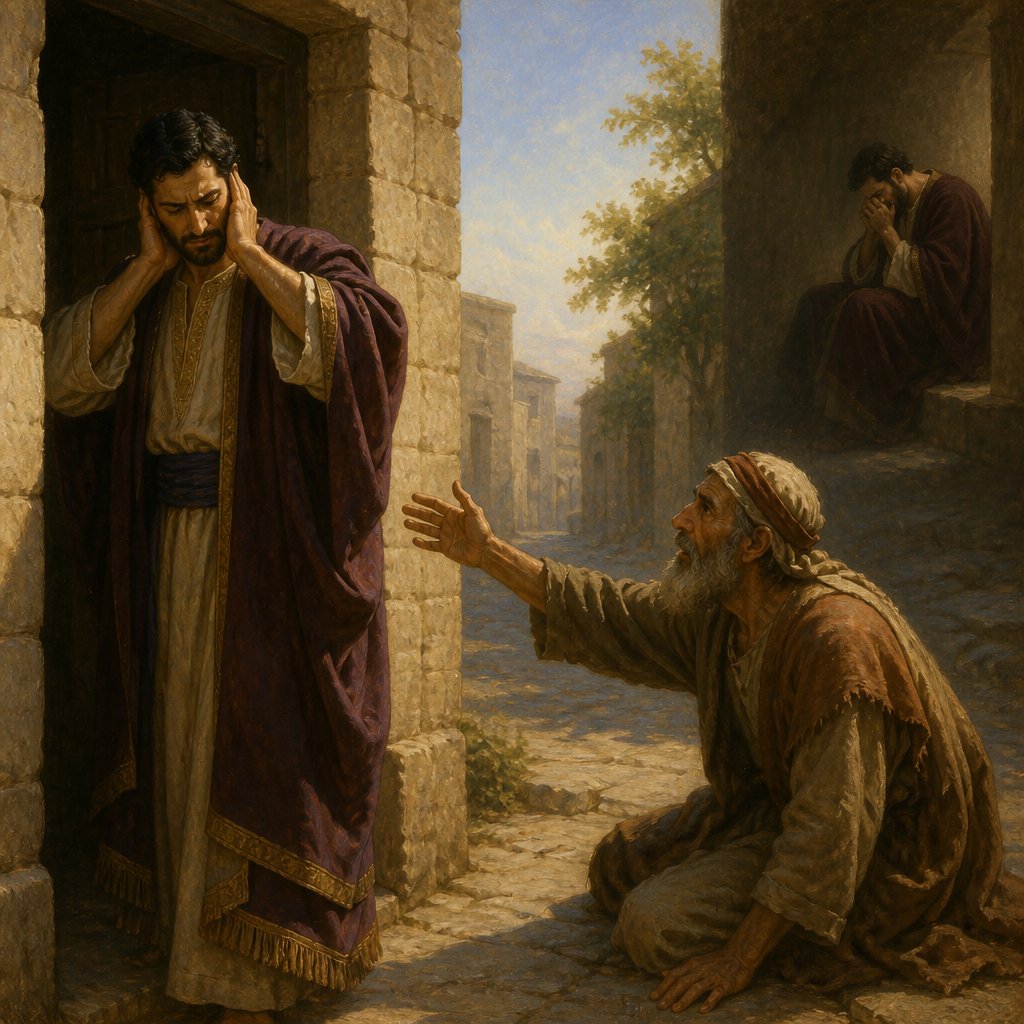
The Book of Proverbs, a treasure trove of divine wisdom, often confronts the reader with the ethical and moral choices that define our character and our relationship with God. Among these nuggets of wisdom lies Proverbs 21:13: "Whoso stoppeth his ears at the cry of the poor, he also shall cry himself, but shall not be heard." This poignant verse invites reflection on the consequences of indifference and the divine principle of empathy.
In a world that often prioritizes personal gain over collective welfare, the plight of the poor can easily become a distant concern. We live in a society saturated with noise—the demands of work, the distractions of entertainment, and the ongoing conversations on social media drown out the cries of the needy. In this tumult, how easily do we become like those described in Proverbs 21:13, turning a deaf ear to the impoverished voices around us?
The imagery created in this verse is striking and confronting. To "stop up" one's ears suggests a deliberate choice to ignore. It implies an act of willful blindness, a conscious decision to shield oneself from the discomfort of another’s suffering. This resonates deeply with our 21st-century experience, where compassion often meets a trade-off with convenience. The louder the cries of the poor become, the more strained our efforts to dismiss them. But Proverbs reminds us that such dismissal carries repercussions.
When one ignores the needy, it not only echoes a lack of compassion but also positions oneself dangerously close to the very experience of suffering. The second half of the verse, "he also shall cry himself, but shall not be heard," serves as a chilling warning. It suggests a reversal of roles, where the one who ignores his fellow man's plight may find himself in need one day, crying out for help only to discover that his pleas fall on deaf ears.
This sobering principle underscores a universal truth: we are all interconnected. Our actions—whether acts of compassion or indifference—set in motion a cycle that can either contribute to the well-being of the community or spiral into isolation and anguish. The wealthy man who ignores the destitute is unwittingly placing himself on a precarious path that could lead to his own despair. Jesus emphasizes this truth throughout His teachings, proclaiming that what we do for the least of His brethren, we do for Him (Matthew 25:40).
As believers, we are called to open our ears and our hearts to the cries of the poor. Compassion should be our immediate response to their plight. When we hear their needs, whether they be physical, emotional, or spiritual, we are offered an opportunity to reflect God’s love and mercy. Ignoring these cries can lead to spiritual desensitization, a state where our hearts grow cold and our spirits become unresponsive to the guidance of the Holy Spirit.
Moreover, this passage from Proverbs serves as a reminder of our responsibility to steward the resources and the voice we have been given in this world. Our community's wellbeing often hinges on how we choose to respond to the vulnerable. God has entrusted us with His blessings so that we might extend His grace to those in need. When we choose to be agents of change, to listen and act with compassion, we align ourselves with God's heart.
As you meditate on Proverbs 21:13, ask the Lord to soften your heart towards the cries of the poor. Pray for the courage to engage with those who are struggling, offering both listening ears and helping hands. Ultimately, by opening ourselves to the needs of others, we not only fulfill a divine command but also participate in the profound exchange of grace that flows from God to us and through us to the world. Let us remember: the cries we hear today may be our call to action, guiding us toward a life marked by purposeful compassion.
Want to reflect more on Proverbs 21:13?
Continue your spiritual journey with Bible Chat — an AI-powered tool for exploring God's Word through conversation. Ask questions, discover connections, and deepen your understanding.
Get Our Apps


Proverbs 21:13 Artwork

Proverbs 21:13 - "Whoso stoppeth his ears at the cry of the poor, he also shall cry himself, but shall not be heard."

Proverbs 21:13 KJVA (13) Whoso stoppeth his ears at the cry of the poor, he also shall cry himself, but shall not be heard.

Proverbs 21:13 KJVA (13) Whoso stoppeth his ears at the cry of the poor, he also shall cry himself, but shall not be heard.

Proverbs 21:13 KJVA (13) Whoso stoppeth his ears at the cry of the poor, he also shall cry himself, but shall not be heard.

Proverbs 21:13 KJVA (13) Whoso stoppeth his ears at the cry of the poor, he also shall cry himself, but shall not be heard.

Proverbs 21:13 KJVA (13) Whoso stoppeth his ears at the cry of the poor, he also shall cry himself, but shall not be heard.

Proverbs 21:13 KJVA (13) Whoso stoppeth his ears at the cry of the poor, he also shall cry himself, but shall not be heard.
"Whoso stoppeth his ears at the cry of the poor, he also shall cry himself, but shall not be heard." - Proverbs 21:13

Proverbs 13:21 - "Evil pursueth sinners: but to the righteous good shall be repayed."

Habakkuk 2:1-3

"Evil pursueth sinners: but to the righteous good shall be repayed." - Proverbs 13:21

Proverbs 18:21

Proverbs 18:21

Proverbs 18:21

Proverbs 18:21

Proverbs 18:21

Proverbs 18:21

Proverbs 18:21

Proverbs 18:21

Proverbs 18:21

Proverbs 18:21

Proverbs 18:21

Proverbs 18:21

proverbs 21 7

Proverbs 31:21

Proverbs 21:21 - "He that followeth after righteousness and mercy findeth life, righteousness, and honour."

Proverbs 13:13 - "Whoso despiseth the word shall be destroyed: but he that feareth the commandment shall be rewarded."

Proverbs 21:18 - "The wicked shall be a ransom for the righteous, and the transgressor for the upright."

Proverbs 2:21 - "For the upright shall dwell in the land, and the perfect shall remain in it."

Proverbs 21:30 - "There is no wisdom nor understanding nor counsel against the LORD."