The Perils of Pride: A Call to Humility
“Proud and haughty scorner is his name, who dealeth in proud wrath.” — Proverbs 21:24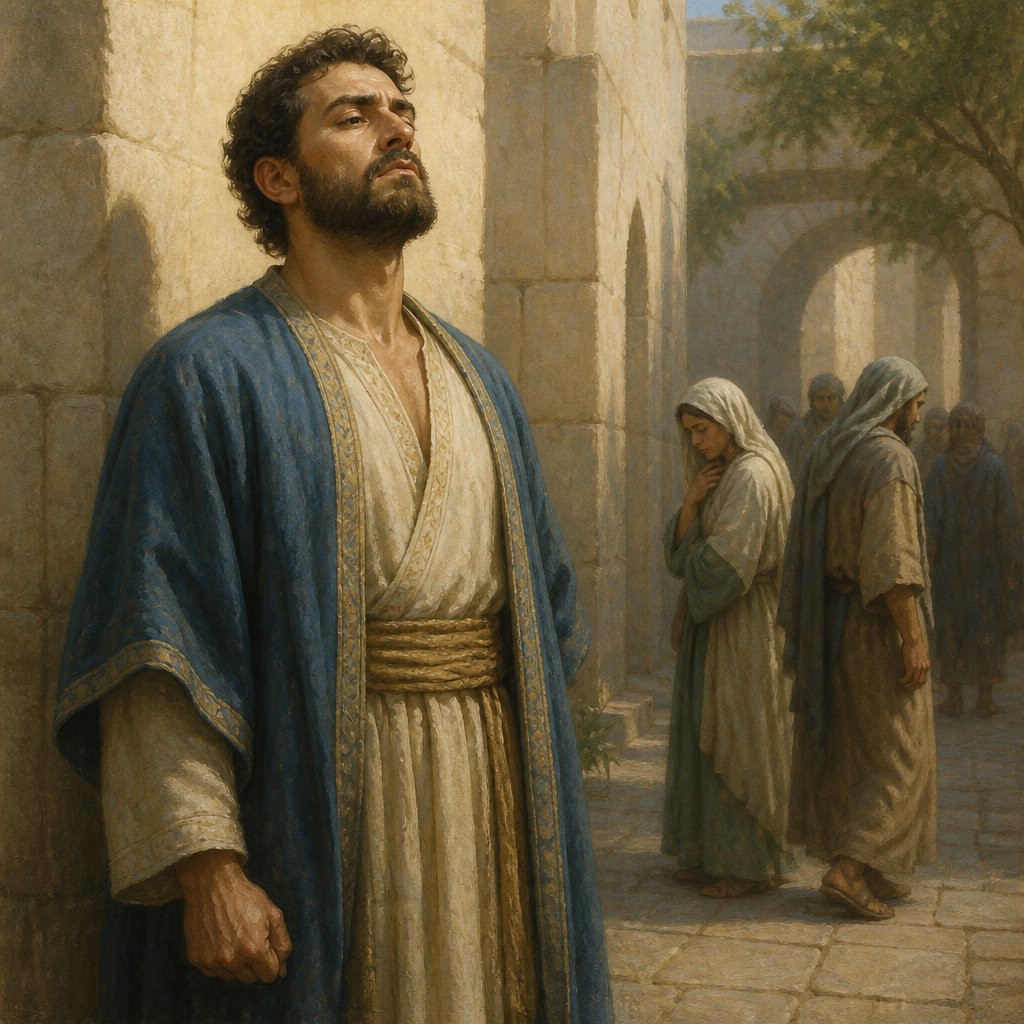
Proverbs 21:24 states, "Proud and haughty scorner is his name, who dealeth in proud wrath." In this brief yet poignant verse, the wisdom of Solomon exposes the inherent dangers of pride and arrogance, two traits that have been the downfall of many. To unravel the depths of this scripture, we must dissect its layers and understand its implications for our lives today.
Pride, in its essence, is the elevation of self above others and even above God. It is a sin that clouds judgment, distorts reality, and breeds contempt for others. The term "proud and haughty scorner" portrays an individual who not only places themselves on a pedestal but also looks down upon others with disdain. The scorner is characterized by their harsh criticism of not only others but their refusal to accept wise counsel, wholly rejecting any form of humility.
In the narrative of the Bible, pride is often highlighted as one of the most dangerous vices. It was pride that led to the downfall of Lucifer, transforming him from an angelous being into the adversary (Isaiah 14:12-15). Similarly, in the lives of king Saul and many others, pride fostered disobedience, leading them away from the will of God and into self-destruction. Recognizing just how corrosive pride can be is crucial for our spiritual health.
The caveat of dealing in "proud wrath" merits particular attention. A person driven by proud wrath is often quick to anger, reacting not from wisdom or understanding but from a posture of superiority and defensiveness. This wrath not only harms others through judgment and ridicule but ultimately isolates the person consumed by their pride. When we allow pride to build walls around our hearts, we blanket ourselves in a false sense of security that leads to bitterness and strife.
In a world where society glorifies pride—whether through self-promotion, recognition, or assertiveness—this scripture offers a counter-narrative. We are called to acknowledge that our talents and gifts come not solely from our own efforts but through the grace of God. As it states in James 4:6, “But he giveth more grace. Wherefore he saith, God resisteth the proud, but giveth grace unto the humble.”
Thus, the challenge presented before us through Proverbs 21:24 is not merely to avoid prideful traits but to actively cultivate humility. Humility is the fertile ground where grace can grow; it opens the door to wisdom, acceptance, and genuine relationships. In Philippians 2:3-4, Paul encourages us, "Let nothing be done through strife or vainglory; but in lowliness of mind let each esteem other better than themselves. Look not every man on his own things, but every man also on the things of others."
How can we cultivate this spirit of humility in our daily interactions? It begins with self-reflection and the willingness to confront our own flaws. When we recognize our limitations and failures, we begin to see ourselves through the lens of God’s grace. This awareness fosters compassion for others and dismantles the critical and condescending attitude of the scorner.
Moreover, surrounding ourselves with accountability partners who can speak truth into our lives is critical. Encouragement and correction from trusted friends can guard against the pride that deceptively creeps in, reminding us to remain humble and teachable.
In closing, let us ponder our actions and attitudes as we navigate our days. We are invited to step away from the behavior of a proud and haughty scorner and walk in humility and grace. Let us pray for a heart that embraces love over disdain, understanding over scorn, and openness over pride. May we bear the name of Christ as we reflect His light in a world that desperately needs it.
Get our apps


Artwork for Proverbs 21:24

Proverbs 21:24 - "Proud and haughty scorner is his name, who dealeth in proud wrath."
"Proud and haughty scorner is his name, who dealeth in proud wrath." - Proverbs 21:24

Proverbs 24:21 - "My son, fear thou the LORD and the king: and meddle not with them that are given to change:"
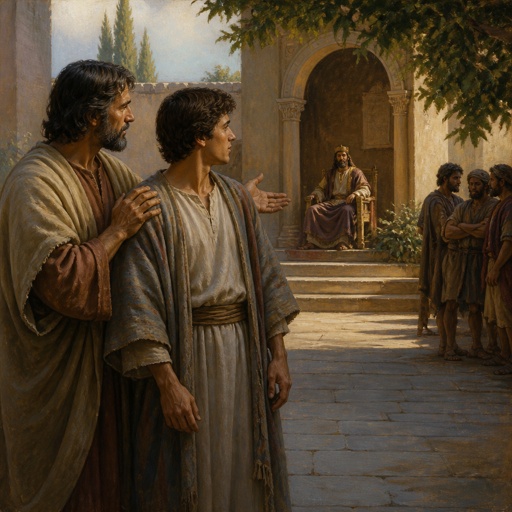
"My son, fear thou the LORD and the king: and meddle not with them that are given to change:" - Proverbs 24:21

Proverbs 18:21

Proverbs 18:21

Proverbs 18:21

Proverbs 18:21

Proverbs 18:21

Proverbs 18:21

Proverbs 18:21

Proverbs 18:21

Proverbs 18:21

Proverbs 18:21
Proverbs 18:21

Proverbs 18:21
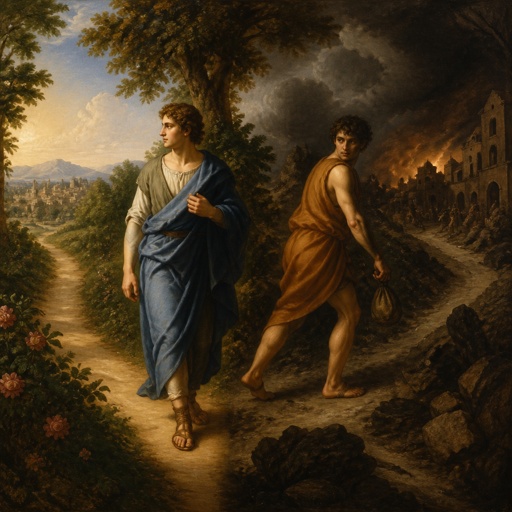
Proverbs 20:24

proverbs 21 7

Proverbs 31:21

Proverbs 21:21 - "He that followeth after righteousness and mercy findeth life, righteousness, and honour."

Luke 21:24

Proverbs 24:3 - "Through wisdom is an house builded; and by understanding it is established:"

Proverbs 24:2 - "For their heart studieth destruction, and their lips talk of mischief."

Proverbs 24:24 - "He that saith unto the wicked, Thou art righteous; him shall the people curse, nations shall abhor him:"

Genesis 24-21

Genesis 21-24

Proverbs 24:9 - "The thought of foolishness is sin: and the scorner is an abomination to men."

Proverbs 14:24 - "The crown of the wise is their riches: but the foolishness of fools is folly."

Proverbs 27:24 - "For riches are not for ever: and doth the crown endure to every generation?"

Proverbs 24:10 - "If thou faint in the day of adversity, thy strength is small."