The Father's Discipline: A Path to Wisdom
“My son, despise not the chastening of the LORD; neither be weary of his correction: For whom the LORD loveth he correcteth; even as a father the son in whom he delighteth.” — Proverbs 3:11-12
In the book of Proverbs, chapter 3, verses 11 and 12, we find a profound and deeply instructive admonition: "My son, despise not the chastening of the Lord; neither be weary of his correction: For whom the Lord loveth he correcteth; even as a father the son in whom he delighteth." (Proverbs 3:11-12 KJV) These words resonate with the heart of parental love, conveying a vital truth about divine discipline that we must earnestly consider.
In our journey through life, we often encounter moments where we feel the weight of our choices and decisions. Mistakes and missteps can lead to painful consequences. It is in these times that we risk feeling overwhelmed by shame, guilt, or even despair. This passage reminds us of a powerful perspective on our experiences of correction and trial. The verse begins with the exhortation to not despise the chastening of the Lord. The word "chastening" in this context refers to corrective discipline, and the Lord's chastening is not meant to punish us in a vindictive manner but to guide us back onto the right path.
God's correction serves a purpose; it is an expression of His love. As fathers strive to cultivate the character of their children, so does God seek to shape us into reflections of His divine image. God’s love is not permissive; it is restorative. He desires not merely our compliance, but our transformation. Often, the lessons learned through hardship and correction forge in us a resilience and humility that is otherwise unattainable. This is not a call to self-loathing or despair but a call to view our trials through the lens of God’s loving discipline.
When we come to the realization that our struggles, even those ordained by divine chastisement, are rooted in love, we can begin to embrace them with a different attitude. The second portion of the verse cautions us not to be weary of His correction. Weariness can seep into our souls, leading us to question our worth, our purpose, and even the very fabric of our faith. However, we are encouraged to press through those feelings of discouragement with the knowledge that each trial has its appointment—an appointment with growth and understanding.
Consider, for a moment, the role of a parent who corrects a child. This parent does not correct out of anger or retribution; rather, they correct out of a deep-seated desire for their child’s growth, safety, and well-being. They understand that while discipline may be painful in the moment, it is ultimately aimed at fostering maturity and wisdom in their child. Our Heavenly Father reflects this sentiment infinitely. God’s corrections are indeed rooted in love, for it says, "For whom the Lord loveth, he correcteth; even as a father the son in whom he delighteth."
As we reflect on this scripture, we must recognize that correction can take many forms—through circumstances, through the wise counsel of others, and through the gentle, yet firm whispers of the Holy Spirit. The key lies not in the struggle itself but in our response to it. Instead of viewing our hardships as punitive, we ought to see them as opportunities to grow closer to the Lord. They teach us reliance on His strength, engender trust in His ultimate plan, and move us towards a deeper understanding of His character.
In conclusion, let us embrace the chastening of the Lord as a gift rather than a burden. Let us not despise the moments of correction but welcome them as signs of divine love and active engagement in our lives. As we traverse this complicated journey, may we remain steadfast in our faith, recognizing that every trial is a step towards greater wisdom, deeper intimacy with God, and a more profound appreciation for His unfailing love. Let our hearts respond with gratitude, as we trust that in every lesson learned, we are being shaped into the masterpieces He created us to be.
Get our apps


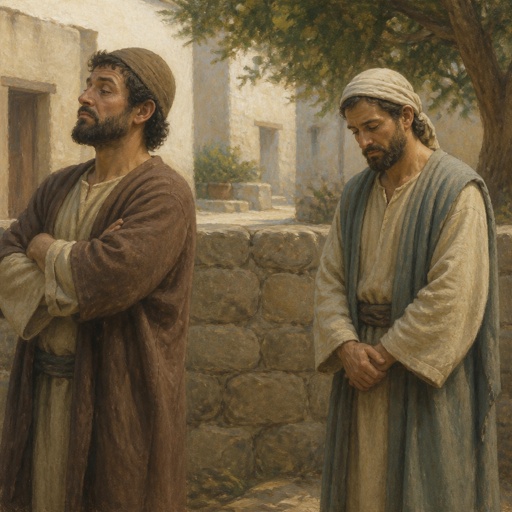
Artwork for Proverbs 3:11-12

Proverbs 3:11-12 - "My son, do not despise the LORD's discipline, and do not resent his rebuke, because the LORD disciplines those he loves, as a father the son he delights in."

"My son, do not despise the LORD's discipline, and do not resent his rebuke, because the LORD disciplines those he loves, as a father the son he delights in." - Proverbs 3:11-12

proverbs 5:11-12

proverbs 5:11-12

Matthew 3:11-12

Matthew 3:11-12

Proverbs 3:11 - "¶ My son, despise not the chastening of the LORD; neither be weary of his correction:"

Proverbs 12:3 - "A man shall not be established by wickedness: but the root of the righteous shall not be moved."

Proverbs 11:12 - "He that is void of wisdom despiseth his neighbour: but a man of understanding holdeth his peace."

Proverbs 11:3 - "The integrity of the upright shall guide them: but the perverseness of transgressors shall destroy them."

Proverbs 12:11 - "He that tilleth his land shall be satisfied with bread: but he that followeth vain persons is void of understanding."

Proverbs 3:12 - "For whom the LORD loveth he correcteth; even as a father the son in whom he delighteth."

"¶ My son, despise not the chastening of the LORD; neither be weary of his correction:" - Proverbs 3:11

Proverbs 3:5-6

"A man shall not be established by wickedness: but the root of the righteous shall not be moved." - Proverbs 12:3
"He that is void of wisdom despiseth his neighbour: but a man of understanding holdeth his peace." - Proverbs 11:12

"The integrity of the upright shall guide them: but the perverseness of transgressors shall destroy them." - Proverbs 11:3

Proverbs 3:1-2 - "My son, do not forget my teaching, but keep my commands in your heart, for they will prolong your life many years and bring you peace and prosperity."

"For whom the LORD loveth he correcteth; even as a father the son in whom he delighteth." - Proverbs 3:12

"He that tilleth his land shall be satisfied with bread: but he that followeth vain persons is void of understanding." - Proverbs 12:11

Proverbs 11:11 - "By the blessing of the upright the city is exalted: but it is overthrown by the mouth of the wicked."

John 1:1-2

John 1:1-2

John 1:1-2

John 1:1-2

John 1:1-2

Proverbs 11:2

proverbs 5:11

Proverbs 11:2

Proverbs 11:2