Justice for the Fatherless: A Divine Mandate
“To judge the fatherless and the oppressed, that the man of the earth may no more oppress.” — Psalms 10:18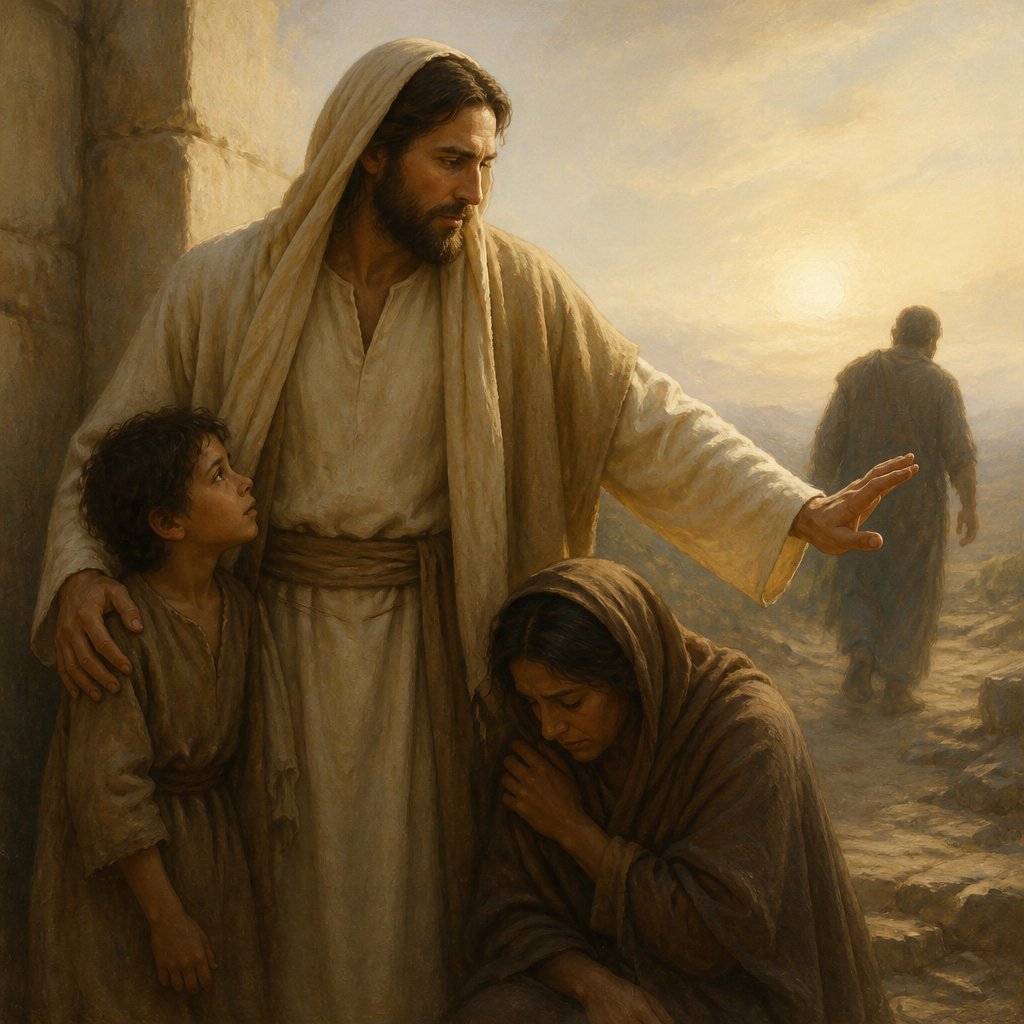
In a world often marred by injustice and inequity, the words of Psalm 10:18 resonate with profound significance. The verse reads: "To judge the fatherless and the oppressed, that the man of the earth may no more oppress" (KJV). This single verse is a clarion call for those who believe in a righteous God—a reminder of His unwavering commitment to justice and mercy for the most vulnerable among us.
### Understanding the Context
Psalm 10 begins by portraying the heartache of a community under siege—the psalmist laments over the seeming absence of God in moments of dire oppression. "Why standest thou afar off, O Lord? Why hidest thou thyself in times of trouble?" (Psalm 10:1). Through this piercing inquiry, we are invited to reflect on our own moments of despair when God seems distant amid the suffering of the innocent.
The psalm progresses as it describes the wickedness of those in power who flourish through deceit and manipulate their strength to keep the weak underfoot (Psalm 10:2-11). It highlights a grave societal ill: the oppression faced by the fatherless, who, without a protector or guide, are left vulnerable. Here, the fatherless symbolize not only orphans in a literal sense but also those who lack advocates and are silenced by systemic injustice, comparable to the oppressed in various forms.
### Divine Justice Defined
In verse 18, however, we see an extraordinary shift. God is depicted as the ultimate judge who has a special concern for the dispirited and defenseless. His desire is to establish justice so that the oppressive forces of the world may be curtailed. The act of judging the fatherless and the oppressed is not mere condemnation; it is intertwined with action—it signifies God actively intervening in the affairs of men.
God's judgment is multifaceted; it encompasses both the declaration of justice and the restoration of those wronged. When the verse states, "that the man of the earth may no more oppress," it speaks of the alteration of human behavior in the face of divine scrutiny. The inevitable truth is that where God reigns, injustice cannot thrive. His judgment leads to reformation—justice restores dignity and offers hope.
### Our Response as Followers
As believers, the implications of this verse are clear: we are called to participate in God’s mission of justice. We must not only cry out for justice but also embody it in our lives. This verse challenges us to contemplate how we respond to inequity and oppression around us. It is a reminder that God expects His followers to be His hands and feet on Earth, to be advocates for those who cannot advocate for themselves.
There are countless opportunities where we can be the voice for the voiceless—the fatherless children in foster care, the refugees searching for safety, and marginalized communities enduring systemic barriers. How can we facilitate change? Through outreach, advocacy, and service, we can echo God’s heart for justice, directly influencing the lives of those in need. Providence gives us a divine opportunity to act as mirrors reflecting the love and righteousness of Christ.
### Hope in His Promise
Moreover, Psalm 10:18 reassures us that the pursuit of justice is not in vain. While we may witness oppression in our time, we cling to the promise that God's righteous judgment will ultimately prevail. "The man of the earth may no more oppress," serves as both a declaration of hope and a commitment to action.
As we strive to enact justice in our communities, we must remember that our efforts are grounded in the ultimate work of Christ who championed the marginalized and suffered for the oppressed. He is the model of perfect justice, and in Him, we find the strength to rise against injustice and advocate for change.
### Concluding Prayer
Heavenly Father, in a world filled with oppression, let our hearts break for what breaks Yours. Help us to be vehicles of Your justice, champions of the fatherless, and voices for the oppressed. May we never stand idly by but pursue actions that reflect Your love and righteousness. Strengthen our resolve to seek justice, lift the downtrodden, and proclaim hope in Your name. Amen.
Get our apps


Artwork for Psalms 10:18

Psalms 10:18 - "To judge the fatherless and the oppressed, that the man of the earth may no more oppress."

"To judge the fatherless and the oppressed, that the man of the earth may no more oppress." - Psalms 10:18

psalms 92:10

psalms 92:10

Psalms 18:10 - "And he rode upon a cherub, and did fly: yea, he did fly upon the wings of the wind."

"And he rode upon a cherub, and did fly: yea, he did fly upon the wings of the wind." - Psalms 18:10

psalms 92:10

psalms 85:10

psalms 92:10

Psalms 136:18 - "And slew famous kings: for his mercy endureth for ever:"

Psalms 10:10 - "He croucheth, and humbleth himself, that the poor may fall by his strong ones."

Psalm 10:16-18

Psalm 10:12-18

Psalms 22:18 - "They part my garments among them, and cast lots upon my vesture."

"They prevented me in the day of my calamity: but the LORD was my stay." - Psalms 18:18

"The high hills are a refuge for the wild goats; and the rocks for the conies." - Psalms 104:18

Psalms 30:10 - "Hear, O LORD, and have mercy upon me: LORD, be thou my helper."

Psalms 29:10 (KJVA) 10 The LORD sitteth upon the flood; yea, the LORD sitteth King for ever.

Psalms 18:18 - "They prevented me in the day of my calamity: but the LORD was my stay."

"It is God that avengeth me, and subdueth the people under me." - Psalms 18:47

Psalms 39:10 - "Remove thy stroke away from me: I am consumed by the blow of thine hand."

Psalms 34:18

"The LORD knoweth the days of the upright: and their inheritance shall be for ever." - Psalms 37:18

Psalms 34:18

"The strangers shall fade away, and be afraid out of their close places." - Psalms 18:45

"And slew famous kings: for his mercy endureth for ever:" - Psalms 136:18

"Beasts, and all cattle; creeping things, and flying fowl:" - Psalms 148:10

"For who is God save the LORD? or who is a rock save our God?" - Psalms 18:31

Psalms 16:10 - "For thou wilt not leave my soul in hell; neither wilt thou suffer thine Holy One to see corruption."

"The LORD is nigh unto them that are of a broken heart; and saveth such as be of a contrite spirit." - Psalms 34:18