From Dust to Dignity: The God Who Lifts the Lowly
“He raiseth up the poor out of the dust, [and] lifteth the needy out of the dunghill; That he may set [him] with princes, [even] with the princes of his people.” — Psalms 113:7-8!["He raiseth up the poor out of the dust, [and] lifteth the needy out of the dunghill;
That he may set [him] with princes, [even] with the princes of his people." - Psalms 113:7-8](https://media.bible.art/0c978311-867a-4dd5-977a-6e7082ce73e8-compressed.jpg)
“He raiseth up the poor out of the dust, [and] lifteth the needy out of the dunghill; That he may set [him] with princes, [even] with the princes of his people.” (Psalm 113:7–8, KJV)
Psalm 113 is a song of praise to the LORD who is high above all nations, yet lovingly attentive to those the world overlooks. In these two verses, the psalmist draws a startling picture: God reaches down into the lowest places—“the dust” and “the dunghill”—and lifts a person into honor—“with princes.” This is not merely a poetic contrast; it is a testimony about God’s character. The One who is exalted is also the One who stoops. The LORD is not ashamed to draw near to human ruin, need, and humiliation. He is the God who restores dignity.
Notice first the direction of God’s action: “He raiseth up… [and] lifteth.” The poor and needy in this passage are not described as climbing their way out by sheer strength. God Himself acts. That does not deny the value of effort, wisdom, or responsible choices—but it does establish the foundation: the deepest, most lasting raising comes from the LORD. When your strength is thin, when your options feel few, when your life seems ground down into “dust,” God is not limited. He is not waiting for you to become impressive before He becomes involved. His mercy is not reserved for those already standing tall.
The words “dust” and “dunghill” confront us with the reality of shame. Poverty can be painful enough materially, but it often comes with social scorn—being treated as invisible, being spoken over, being dismissed as a problem rather than a person. The “dunghill” is not a polished place; it is a dirty place. Yet the verse does not say God merely speaks encouragement from a distance. It says, “lifteth.” His salvation is not theoretical; it is personal and practical. He enters where the need truly is.
Then comes the purpose: “That he may set [him] with princes.” God’s lifting is not just to get someone off the ground; it is to establish them. “Set” suggests placement, stability, and belonging. The LORD is able to change not only a person’s condition but their standing—moving them from rejection to acceptance, from instability to secure footing, from disgrace to honor. And the contrast is intentional: from the lowest place to the highest company. The God of Israel delights to demonstrate that no human story is beyond His power to rewrite.
This also challenges the way we measure worth. The world often ranks people by income, influence, education, or connections. But Psalm 113 reveals that the LORD is the One who truly assigns dignity. If God can “set [him] with princes,” then no one is permanently defined by their worst season. Your current “dust” is not your final identity. Your present need is not your permanent name. The LORD specializes in reversals that display His grace.
Yet this promise is not only for those who feel materially poor. There is also a poverty of spirit—moments when you are depleted, discouraged, or overwhelmed. There is neediness that comes through grief, failure, addiction, broken relationships, or a conscience weighed down by sin. In those places, the LORD’s lifting still applies. He raises the bowed head. He restores the weary heart. He brings the repentant sinner out of the pit and sets them in a new place—secure in His mercy.
A further implication is how we respond to others. If God is the One who lifts the needy, then His people should not despise the lowly. We cannot praise the LORD of Psalm 113 and simultaneously harden our hearts toward those in “dust.” God’s lifting hand often works through the compassion, generosity, advocacy, and practical help of His people. When we give, when we listen, when we treat someone with honor, we mirror the heart of the One who “lifteth the needy.”
Take time today to bring your lowest places honestly before the LORD. Name the “dust” you feel: fear, lack, regret, loneliness, shame. Then ask Him to do what only He can do—to raise and to lift. And if you find yourself in a season of strength, ask the LORD to make you a reflection of His character, looking for someone else He wants to encourage and help.
Prayer: LORD, Thou who “raiseth up the poor out of the dust,” look upon my need. Lift me where I cannot lift myself. Restore my hope and my dignity, and set my life in the place Thou hast appointed. Make me humble and compassionate, that I may honor those the world overlooks. In Jesus’ name, Amen.
Get our apps


Artwork for Psalms 113:7-8
!["He raiseth up the poor out of the dust, [and] lifteth the needy out of the dunghill;
That he may set [him] with princes, [even] with the princes of his people." - Psalms 113:7-8](https://media.bible.art/54c73128-e065-4443-b942-30b16c67acba-thumbnail.jpg)
"He raiseth up the poor out of the dust, [and] lifteth the needy out of the dunghill; That he may set [him] with princes, [even] with the princes of his people." - Psalms 113:7-8

Psalms 113:8 - "That he may set him with princes, even with the princes of his people."

Psalms 113:7 - "He raiseth up the poor out of the dust, and lifteth the needy out of the dunghill;"
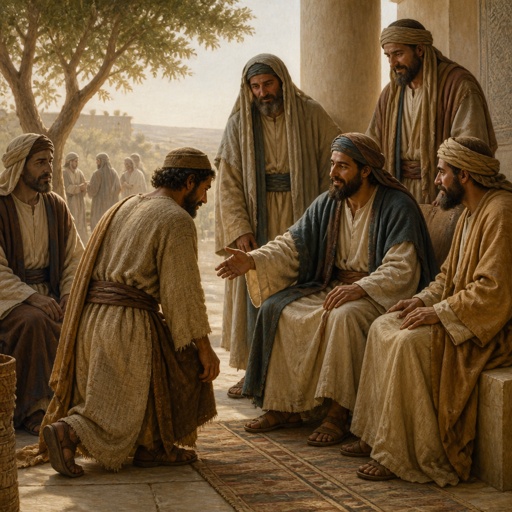
"That he may set him with princes, even with the princes of his people." - Psalms 113:8

"Blessed be the name of the LORD from this time forth and for evermore." - Psalms 113:2
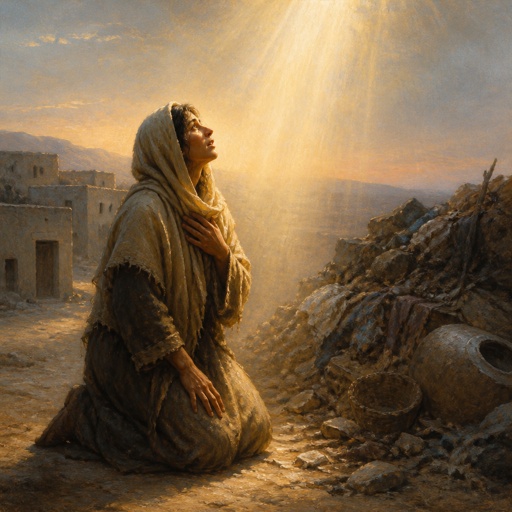
"He raiseth up the poor out of the dust, and lifteth the needy out of the dunghill;" - Psalms 113:7

Psalms 113:6 - "Who humbleth himself to behold the things that are in heaven, and in the earth!"

Psalms 113:2 - "Blessed be the name of the LORD from this time forth and for evermore."

Psalms 119:113 - "I hate vain thoughts: but thy law do I love."

"Who is like unto the LORD our God, who dwelleth on high," - Psalms 113:5

Psalms 113:5 - "Who is like unto the LORD our God, who dwelleth on high,"

"The LORD is high above all nations, and his glory above the heavens." - Psalms 113:4

Psalms 113:4 - "The LORD is high above all nations, and his glory above the heavens."

Psalms 113:3 - "From the rising of the sun unto the going down of the same the LORD'S name is to be praised."

Psalms 113:1 - "Praise ye the LORD. Praise, O ye servants of the LORD, praise the name of the LORD."
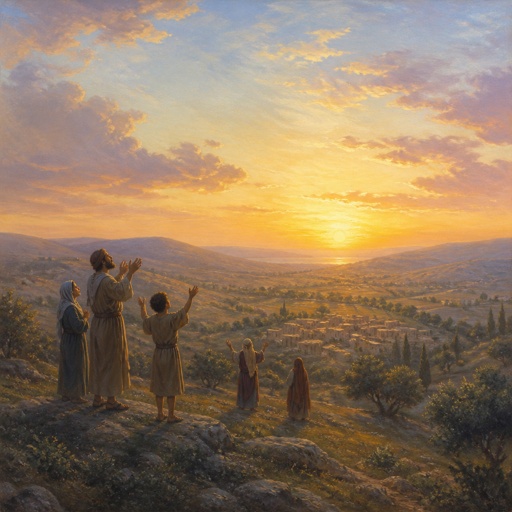
"From the rising of the sun unto the going down of the same the LORD'S name is to be praised." - Psalms 113:3

Psalms 113:9 - "He maketh the barren woman to keep house, and to be a joyful mother of children. Praise ye the LORD."

"All sheep and oxen, yea, and the beasts of the field;" - Psalms 8:7
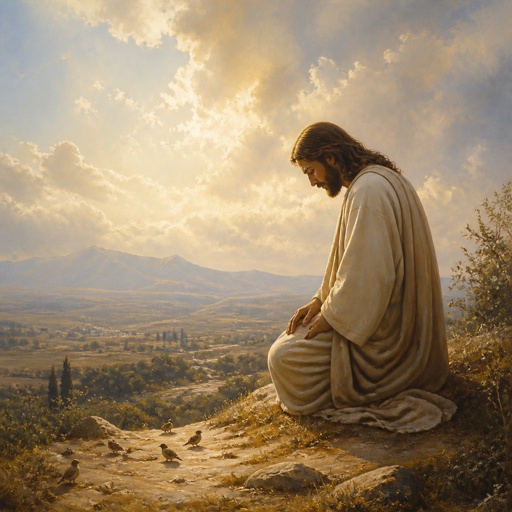
"Who humbleth himself to behold the things that are in heaven, and in the earth!" - Psalms 113:6
!["He raiseth up the poor out of the dust, [and] lifteth the needy out of the dunghill;
That he may set [him] with princes, [even] with the princes of his people." - Psalm 113:7-8](https://media.bible.art/af20cd1d-111b-4f72-9f1a-3c65a2b10fa3-thumbnail.jpg)
"He raiseth up the poor out of the dust, [and] lifteth the needy out of the dunghill; That he may set [him] with princes, [even] with the princes of his people." - Psalm 113:7-8
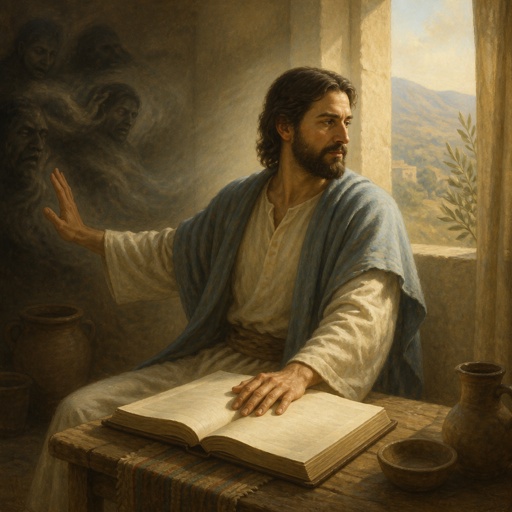
"I hate vain thoughts: but thy law do I love." - Psalms 119:113

Psalms 8:7 - "All sheep and oxen, yea, and the beasts of the field;"

Psalms 20 7
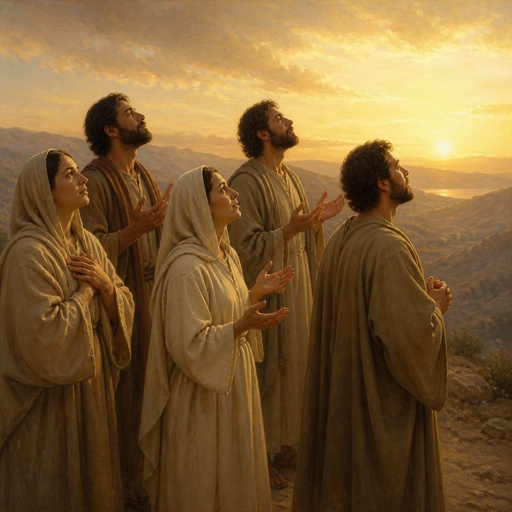
"Praise ye the LORD. Praise, O ye servants of the LORD, praise the name of the LORD." - Psalms 113:1
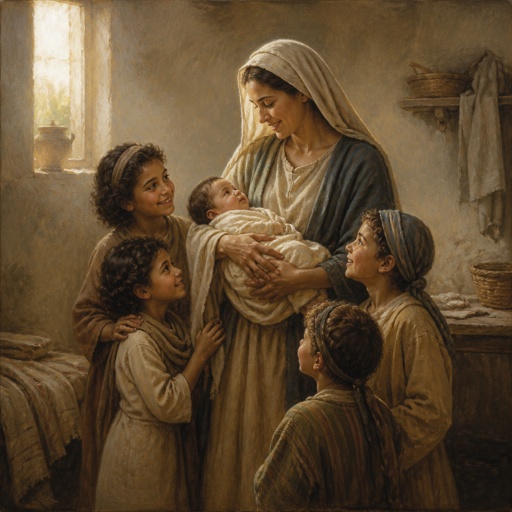
"He maketh the barren woman to keep house, and to be a joyful mother of children. Praise ye the LORD." - Psalms 113:9

Hallelujah! Praise the Lord! Go ahead, praise the Lord, all you loving servants! Keep it up! Praise him some more! For the glorious name of the Lord is blessed forever and ever. From sunrise-brilliance to sunset-beauty, Lift up his praise from dawn to dusk! Psalms 113:1-3

Psalms 49:8 - "(For the redemption of their soul is precious, and it ceaseth for ever:)"

Psalms 7:8 - "The LORD shall judge the people: judge me, O LORD, according to my righteousness, and according to mine integrity that is in me."
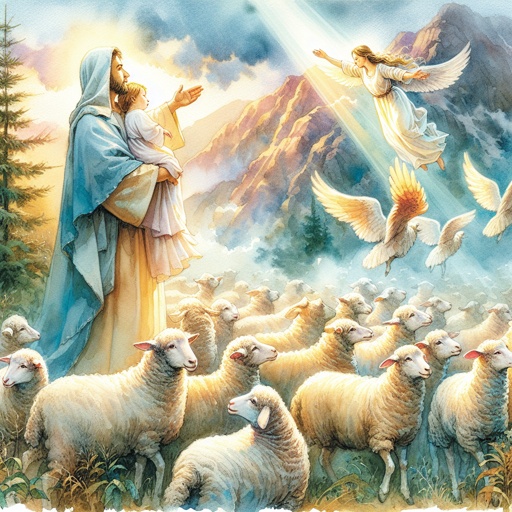
psalm 80:1-7

Psalm 113:4-5 - "The LORD is high above all nations, and his glory above the heavens. Who is like unto the LORD our God, who dwelleth on high."