The Silence of Blessings: Understanding Psalm 129:8
“Neither do they which go by say, The blessing of the LORD be upon you: we bless you in the name of the LORD.” — Psalms 129:8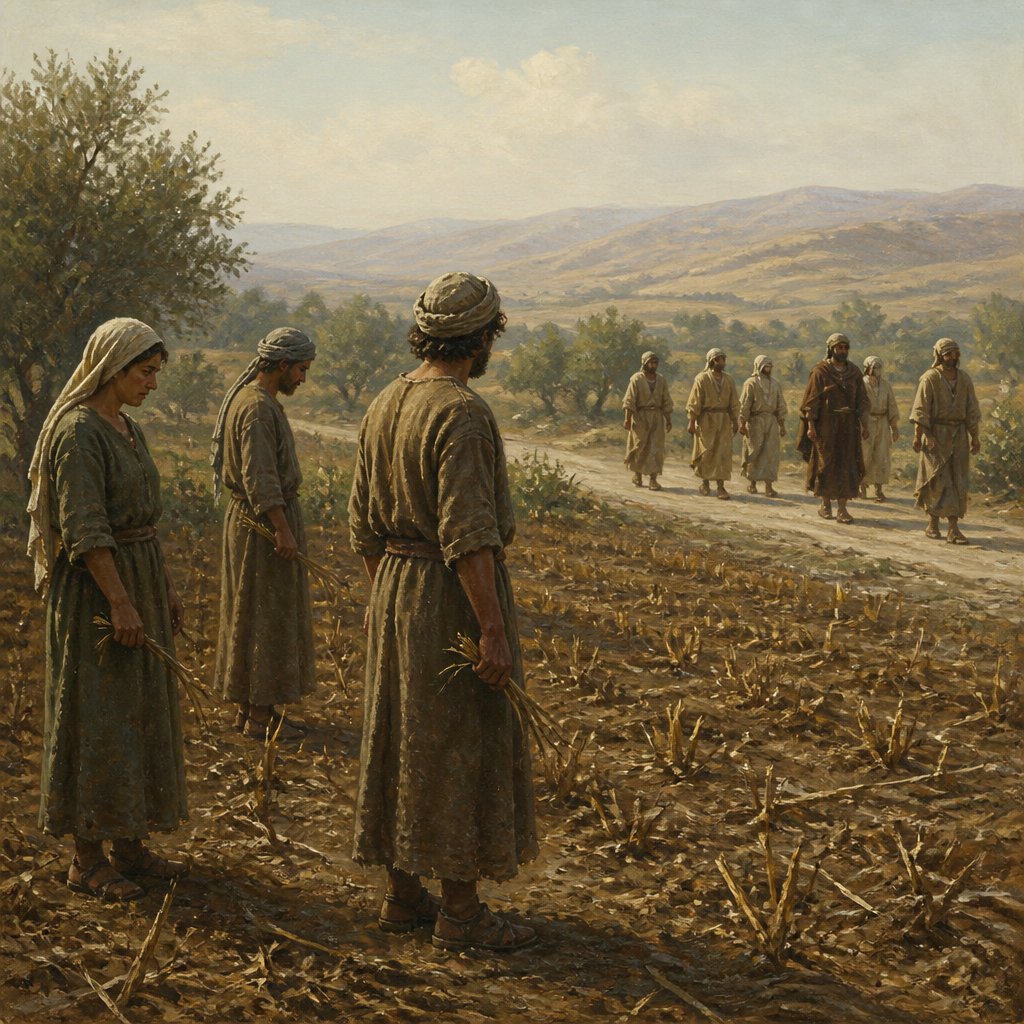
In Psalm 129:8, we find a verse that speaks deeply to the human experience of seeking connection, affirmation, and the often-overlooked importance of verbal blessings. The verse reads: "Neither do they which go by say, The blessing of the LORD be upon you: we bless you in the name of the LORD." This small yet powerful snippet of scripture can serve as a catalyst for reflection on the significance of blessings in our lives and communities.
To underscore the context of this verse, Psalm 129 is a part of the Songs of Ascents, which are understood to express the struggles, afflictions, and ultimate hope of the people of Israel. In this particular psalm, the speaker recounts the adversity faced by the Israelites but ends on a note of confidence in the Lord’s protection. As we examine verse 8, we can envision the scenario being described—people passing by, perhaps indifferent or distracted, neglecting to offer a blessing that comes from a deep awareness of God’s presence and providential care.
This verse compels us to reflect on our interactions with others. When we pass by friends, family members, or even strangers, do we take the time to speak blessings into their lives? How often do we neglect this simple but profound act? The lack of a spoken blessing can evoke a sense of isolation or neglect in a society that often prioritizes transactions over relationships.
Blessings are powerful. They serve as conduits of encouragement and affirmations of identity. To bless someone in the name of the Lord is to declare God’s favor upon them, to articulate a wish for their well-being rooted in the divine goodness of a loving God. In various cultures, especially within the family unit and close community, the act of speaking blessings carries significance—it acknowledges the worth of an individual and their journey.
In the ancient world, a blessing was regarded as a sacred act. For instance, Isaac’s blessing of Jacob (Genesis 27) reflected not just a transfer of material wealth but also divine favor and purpose. This biblical precedent sets a powerful example for us today; we are called to extend verbal blessings, affirmations that help shape identities and provide hope.
However, Psalm 129:8 serves as a sober reminder that silence—especially unintentional silence—can breed apathy or disconnect. In our fast-paced world, where so many things demand our attention, we can easily overlook the importance of blessing those around us. The ‘go by’ in this passage implies a hurriedness that leads to missed opportunities for sharing God’s love.
So, how can we become more intentional about speaking blessings into the lives of others? Here are a few practical steps:
1. **Make it a Habit**: Integrate blessings into your daily interactions. As you greet colleagues or neighbors, take a moment to express a simple blessing such as wishing them peace or joy.
2. **Pray for Others**: Before communicating with someone, ask God for the words to say that could uplift them. A brief ‘I’m praying for you’ can convey powerful encouragement.
3. **Utilize Scripture**: Many of the psalms and letters in the New Testament are rich with blessings. Memorize them and use them as you connect with others—"May the God of hope fill you with all joy and peace…" (Romans 15:13).
4. **Be Present**: Often, simply being there for someone, coupled with words of encouragement, can be a blessing in itself. Lean in and listen, your presence can speak volumes.
In conclusion, Psalm 129:8 challenges us to evaluate our interactions and the spoken words we offer to others. Let us strive to be a people who bless with intention, reflecting God's love and favor in a world that sometimes feels devoid of it. When we bless others in the name of the LORD, we reaffirm our faith not only in God's provision but also in the importance of community and connection. Let this be our call to action—a commitment to speak blessings into being, rather than allowing silence to be our legacy.
Get our apps


Artwork for Psalms 129:8

Psalms 129:8 - "Neither do they which go by say, The blessing of the LORD be upon you: we bless you in the name of the LORD."
"Neither do they which go by say, The blessing of the LORD be upon you: we bless you in the name of the LORD." - Psalms 129:8

Psalms 129:6 - "Let them be as the grass upon the housetops, which withereth afore it groweth up:"

Psalms 129:3 - "The plowers plowed upon my back: they made long their furrows."

Psalms 129:5 - "Let them all be confounded and turned back that hate Zion."

Psalms 129:4 - "The LORD is righteous: he hath cut asunder the cords of the wicked."

Psalms 119:129 - "Thy testimonies are wonderful: therefore doth my soul keep them."

Psalms 129:7 - "Wherewith the mower filleth not his hand; nor he that bindeth sheaves his bosom."

Psalms 129:1 - "Many a time have they afflicted me from my youth, may Israel now say:"

"Many a time have they afflicted me from my youth, may Israel now say:" - Psalms 129:1

Psalms 129:2 - "Many a time have they afflicted me from my youth: yet they have not prevailed against me."
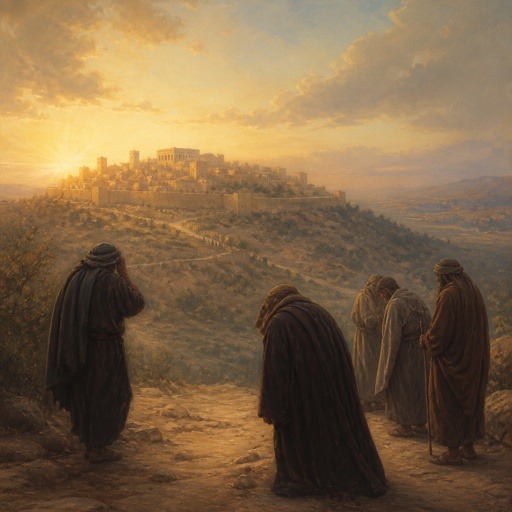
"Let them all be confounded and turned back that hate Zion." - Psalms 129:5
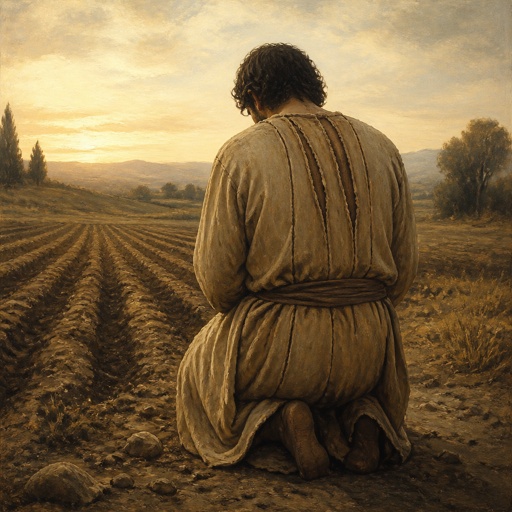
"The plowers plowed upon my back: they made long their furrows." - Psalms 129:3
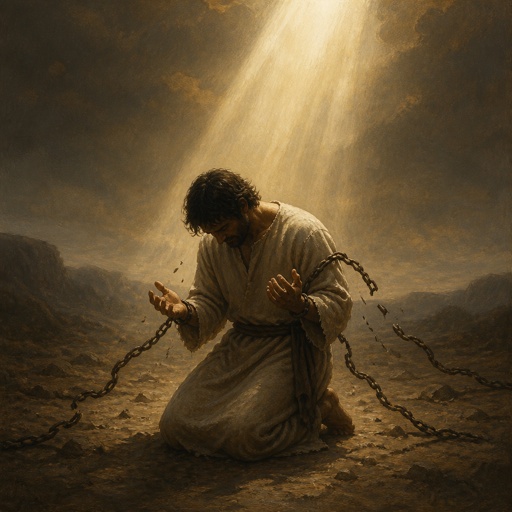
"The LORD is righteous: he hath cut asunder the cords of the wicked." - Psalms 129:4

"Thy testimonies are wonderful: therefore doth my soul keep them." - Psalms 119:129

"Let them be as the grass upon the housetops, which withereth afore it groweth up:" - Psalms 129:6
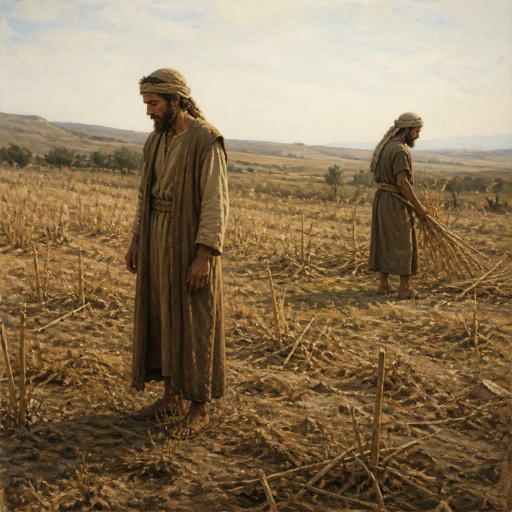
"Wherewith the mower filleth not his hand; nor he that bindeth sheaves his bosom." - Psalms 129:7

"Many a time have they afflicted me from my youth: yet they have not prevailed against me." - Psalms 129:2

Psalms 49:8 - "(For the redemption of their soul is precious, and it ceaseth for ever:)"

"All sheep and oxen, yea, and the beasts of the field;" - Psalms 8:7

"To bind their kings with chains, and their nobles with fetters of iron;" - Psalms 149:8

"But thou, LORD, art most high for evermore." - Psalms 92:8

Psalms 78:8 - "And might not be as their fathers, a stubborn and rebellious generation; a generation that set not their heart aright, and whose spirit was not stedfast with God."

"They are brought down and fallen: but we are risen, and stand upright." - Psalms 20:8

"Let the floods clap their hands: let the hills be joyful together" - Psalms 98:8

"They are corrupt, and speak wickedly concerning oppression: they speak loftily." - Psalms 73:8

"Our help is in the name of the LORD, who made heaven and earth." - Psalms 124:8

"The LORD is their strength, and he is the saving strength of his anointed." - Psalms 28:8

"Good and upright is the LORD: therefore will he teach sinners in the way." - Psalms 25:8

"And he shall redeem Israel from all his iniquities." - Psalms 130:8