The Depths of Grace: Standing in His Forgiveness
“If thou, LORD, shouldest mark iniquities, O Lord, who shall stand?” — Psalms 130:3
Psalm 130:3 states, "If thou, LORD, shouldest mark iniquities, O Lord, who shall stand?" This verse, nestled within the depths of the Psalms, resonates deeply with the human condition—a condition marked by sin and the desperate need for grace. As we delve into this scripture, we uncover layers of meaning that speak to our everyday lives, illuminating our understanding of God's mercy in contrast to our propensity for wrongdoing.
To grasp the weight of the psalmist’s question, we must first acknowledge the implications of marking iniquities. The term "mark" implies an accounting or recording, as if God were keeping a ledger of our sins. Each transgression, no matter how small or large, would be noted, cataloged, and thus held against us. This thought is particularly sobering. If God, for even a moment, were to treat us with the strictness of justice alone, none would be able to stand before Him. The severity of the question lays bare our reliance on God’s grace and mercy rather than on our own righteousness. The psalmist recognizes the stark reality: if we were to be judged solely on our actions, we would be lost.
Reflecting on this, we must confront our own lives. How often do we fall short of God’s glory (Romans 3:23)? How frequently do our actions, thoughts, and intentions diverge from His will? Like the psalmist, we might echo in our hearts the despairing thought that if it were up to our efforts alone, we would undoubtedly face His judgment. Yet, this verse does not leave us in a state of hopelessness. Instead, it serves as a profound reminder of the depth of God’s love and the boundless nature of His forgiveness.
In contemplating who, then, would stand if God marked iniquities, we should acknowledge the incredible truth: no one could stand alone. But here lies the good news: while we can’t stand on our own merit, God has provided a way through Christ. This deliverance speaks to the very heart of the Gospel—it acknowledges our failures yet simultaneously offers a solution in salvation.
Ephesians 2:8-9 reinforces this notion, stating, "For by grace are ye saved through faith; and that not of yourselves: it is the gift of God: Not of works, lest any man should boast." Our standing before God is only possible because of His grace, which covers our iniquities, erasing the marks against us. How liberating it is to accept that our worth is not determined by our failures, but by His unending mercy.
As we live each day, we must remember to embrace and celebrate this grace. It transforms our relationship with God and with others. Instead of dwelling in guilt and shame, we are invited to move forward in confidence, knowing that the scales of justice have been balanced by Christ’s sacrifice. This understanding fosters a spirit of humility and gratitude within us. When we grasp the depth of what we have been forgiven for, we are compelled to extend that same grace to others.
Ultimately, Psalm 130:3 should inspire us to examine our lives, not with judgment but with a desire for growth and understanding of God’s love. Let it serve as a catalyst urging us toward repentance, inviting us to seek His forgiveness continuously. It encourages us to approach His throne with the knowledge that although we are unworthy, we are also incredibly loved.
As we ponder this verse, let us take heart in the knowledge that while we are dust, marked by iniquities, we are also recipients of an astounding grace that calls us into fellowship with our Creator. In Him, we can truly stand, not on our own righteousness but clothed in His love and forgiveness.
Get our apps


Artwork for Psalms 130:3

Psalms 130:3 - "If thou, LORD, shouldest mark iniquities, O Lord, who shall stand?"

"If thou, LORD, shouldest mark iniquities, O Lord, who shall stand?" - Psalms 130:3

Psalms 130:6 - "My soul waiteth for the Lord more than they that watch for the morning: I say, more than they that watch for the morning."

Psalms 130:4 - "But there is forgiveness with thee, that thou mayest be feared."

Psalms 130:7 - "Let Israel hope in the LORD: for with the LORD there is mercy, and with him is plenteous redemption."

"The entrance of thy words giveth light; it giveth understanding unto the simple." - Psalms 119:130

"And he shall redeem Israel from all his iniquities." - Psalms 130:8

Psalms 130:2 - "Lord, hear my voice: let thine ears be attentive to the voice of my supplications."
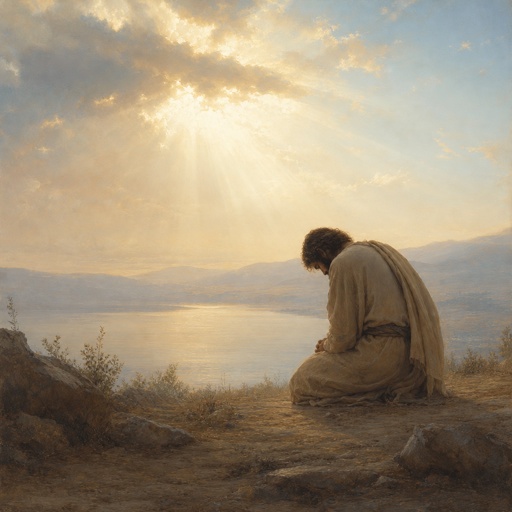
"But there is forgiveness with thee, that thou mayest be feared." - Psalms 130:4

Psalms 130:8 - "And he shall redeem Israel from all his iniquities."

"Let Israel hope in the LORD: for with the LORD there is mercy, and with him is plenteous redemption." - Psalms 130:7

Psalms 119:130 - "The entrance of thy words giveth light; it giveth understanding unto the simple."

Psalms 130:1 - "Out of the depths have I cried unto thee, O LORD."

Psalm 130:3-4 - "If thou, Lord, shouldest mark iniquities, O Lord, who shall stand? But there is forgiveness with thee, that thou mayest be feared."

Psalms 130:5 - "I wait for the LORD, my soul doth wait, and in his word do I hope."

"I wait for the LORD, my soul doth wait, and in his word do I hope." - Psalms 130:5

"My soul waiteth for the Lord more than they that watch for the morning: I say, more than they that watch for the morning." - Psalms 130:6

"I wait for the LORD, my soul doth wait, and in his word do I hope." - Psalms 130:5

"Out of the depths have I cried unto thee, O LORD." - Psalms 130:1
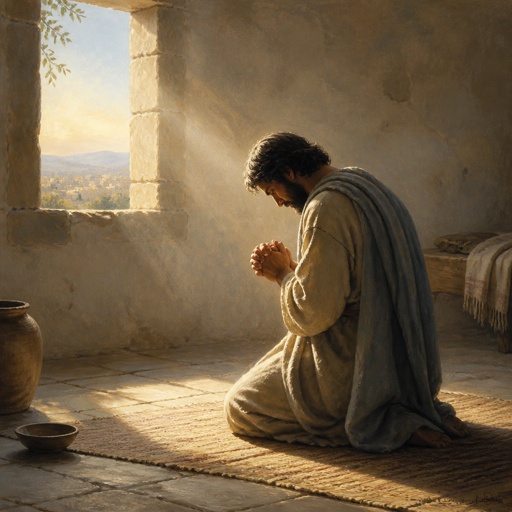
"Lord, hear my voice: let thine ears be attentive to the voice of my supplications." - Psalms 130:2

"If thou, Lord, shouldest mark iniquities, O Lord, who shall stand? But there is forgiveness with thee, that thou mayest be feared." - Psalm 130:3-4

Psalms 111:3 - "His work is honourable and glorious: and his righteousness endureth for ever."

Psalms 88:3 - "For my soul is full of troubles: and my life draweth nigh unto the grave."

Psalms 103:3 - "Who forgiveth all thine iniquities; who healeth all thy diseases;"

Psalms 87:3 - "Glorious things are spoken of thee, O city of God. Selah."

Psalms 67:3 - "Let the people praise thee, O God; let all the people praise thee."

Psalms 138:3 - "In the day when I cried thou answeredst me, and strengthenedst me with strength in my soul."

Psalms 116:3 - "The sorrows of death compassed me, and the pains of hell gat hold upon me: I found trouble and sorrow."

"The sea saw it, and fled: Jordan was driven back." - Psalms 114:3

"There is no speech nor language, where their voice is not heard." - Psalms 19:3