The Depths of Forgiveness
“But there is forgiveness with thee, that thou mayest be feared.” — Psalms 130:4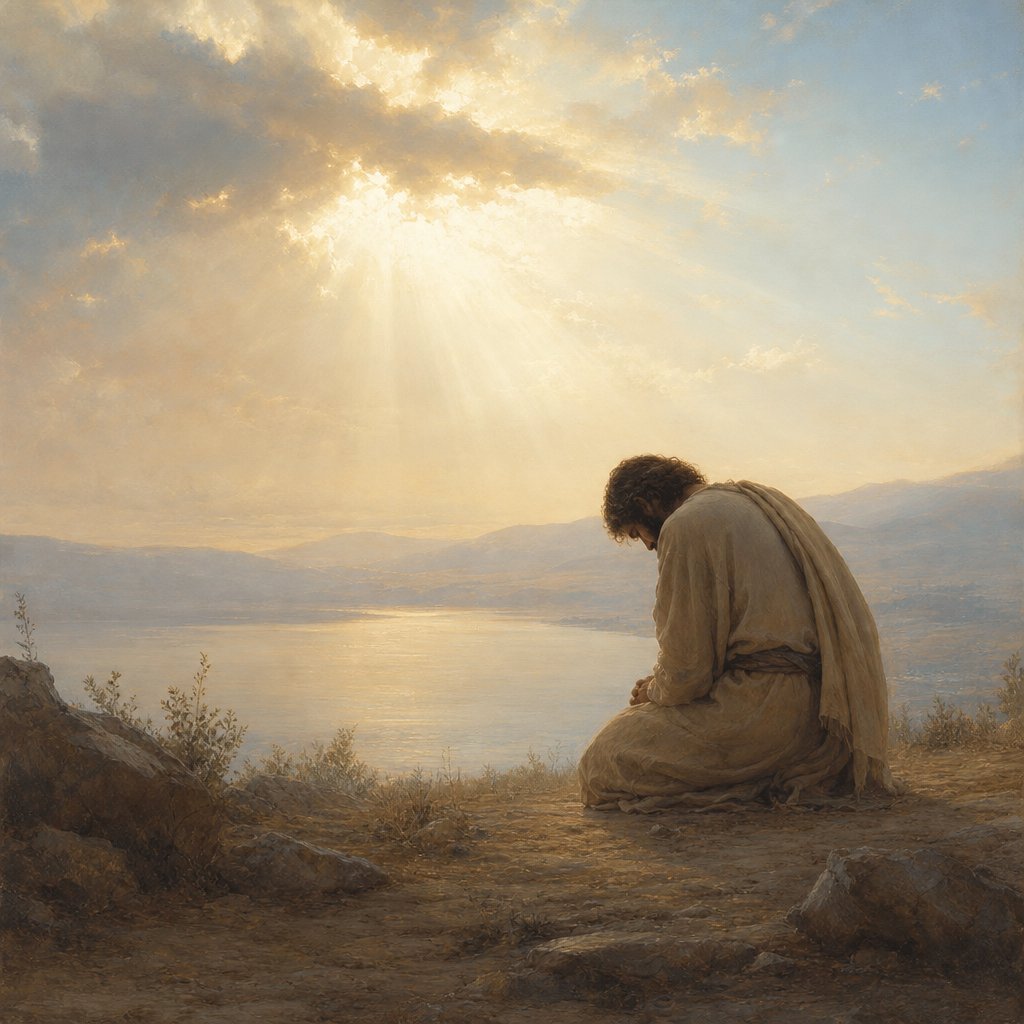
In Psalm 130:4, we read, "But there is forgiveness with thee, that thou mayest be feared." This powerful verse encapsulates the essence of God’s character—His boundless capacity to forgive, as well as the reverence that such forgiveness inspires in our hearts. In this devotional, let us explore the profound implications of God’s forgiveness, the effects it has on our lives, and the way it calls us to a deeper relationship with Him.
At its core, Psalm 130 is a cry from the depths of anguish and despair. The psalmist, presumably David, acknowledges his own sinfulness and the weight of guilt that burdens his heart. In verses 1-2, he begins with a supplication, pleading for mercy: "Out of the depths have I cried unto thee, O Lord. Lord, hear my voice: let thine ears be attentive to the voice of my supplications." Here, we see a raw honesty that many of us can relate to. Like the psalmist, we have all experienced moments where we feel lost, alone, and overwhelmed by our shortcomings.
However, what makes this passage so remarkable is the transition from despair to hope embodied in verse 4. "But there is forgiveness with thee." In four simple words, the psalmist reveals a transformative truth: no matter how deep our sins run, God’s forgiveness is deeper still. It suggests that God does not merely forgive as a formality; His forgiveness comes from His very nature. He is the God who actively seeks reconciliation with those who have turned away from Him, displaying an immense willingness to wipe the slate clean regardless of the depth of our transgressions.
This understanding of God’s forgiveness is central to the Christian faith. The New Testament connects directly to this theme through the sacrificial love demonstrated on the cross. Jesus, in His act of ultimate love, opened the door for all who believe in Him to receive forgiveness for their sins.
The verse further explains why God extends this forgiveness: "that thou mayest be feared." At first glance, the idea of fearing God may seem contradictory to the notion of love and grace. However, the fear referred to here is not one of terror but of awe and reverence. When we truly grasp the enormity of what it means to be forgiven, it provokes a deep respect and admiration for God’s holiness and justice. We begin to understand that forgiveness is a serious matter; it is not simply overlooked transgressions but a profound demonstration of love that cost Christ His life.
As we meditate on this truth, we are prompted to consider the implications of receiving forgiveness. If we have experienced God’s grace, how ought we to respond? First, it calls for personal reflection. Are there areas of our lives where we have failed to accept God’s forgiveness? Understanding that there is forgiveness with God should bring comfort to our hearts and lead us to genuine repentance. It is essential to embrace our value in His eyes and recognize that nothing we have done is beyond His transformative grace.
Moreover, this forgiveness should compel us to extend grace to others. In Ephesians 4:32, we are admonished to "forgive one another, even as God for Christ's sake hath forgiven you." When we are overwhelmed by the weight of our forgiveness, we must be ready to offer the same to others. It reflects the heart of God and can lead to healing and restoration in our broken relationships.
Finally, let us remember that God’s forgiveness is an invitation to fear Him in the way that acknowledges our dependence on Him. In living continually aware of our need for His grace, we cultivate a spirit of humility, leading us to a genuine posture of worship and surrender.
As we continue our journey of faith, let us dwell on the significance of God’s forgiveness. Let it change us, uplift us, and inspire a holy reverence for the God who loves us so deeply. Indeed, "there is forgiveness with thee, that thou mayest be feared." Let this truth transform our hearts today and every day.
Get our apps


Artwork for Psalms 130:4

Psalms 130:4 - "But there is forgiveness with thee, that thou mayest be feared."
"But there is forgiveness with thee, that thou mayest be feared." - Psalms 130:4

Psalms 130:6 - "My soul waiteth for the Lord more than they that watch for the morning: I say, more than they that watch for the morning."

Psalms 130:7 - "Let Israel hope in the LORD: for with the LORD there is mercy, and with him is plenteous redemption."

"The entrance of thy words giveth light; it giveth understanding unto the simple." - Psalms 119:130

"And he shall redeem Israel from all his iniquities." - Psalms 130:8

Psalms 130:2 - "Lord, hear my voice: let thine ears be attentive to the voice of my supplications."

Psalms 130:8 - "And he shall redeem Israel from all his iniquities."

"Let Israel hope in the LORD: for with the LORD there is mercy, and with him is plenteous redemption." - Psalms 130:7

Psalms 119:130 - "The entrance of thy words giveth light; it giveth understanding unto the simple."

Psalms 130:1 - "Out of the depths have I cried unto thee, O LORD."

Psalms 130:3 - "If thou, LORD, shouldest mark iniquities, O Lord, who shall stand?"

Psalm 130:3-4 - "If thou, Lord, shouldest mark iniquities, O Lord, who shall stand? But there is forgiveness with thee, that thou mayest be feared."

Psalms 130:5 - "I wait for the LORD, my soul doth wait, and in his word do I hope."
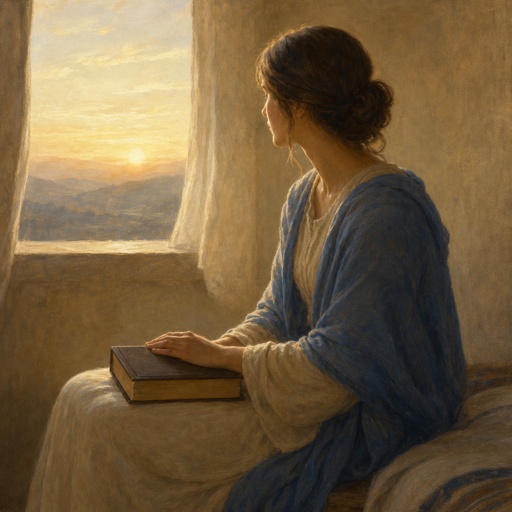
"I wait for the LORD, my soul doth wait, and in his word do I hope." - Psalms 130:5

"My soul waiteth for the Lord more than they that watch for the morning: I say, more than they that watch for the morning." - Psalms 130:6

"I wait for the LORD, my soul doth wait, and in his word do I hope." - Psalms 130:5
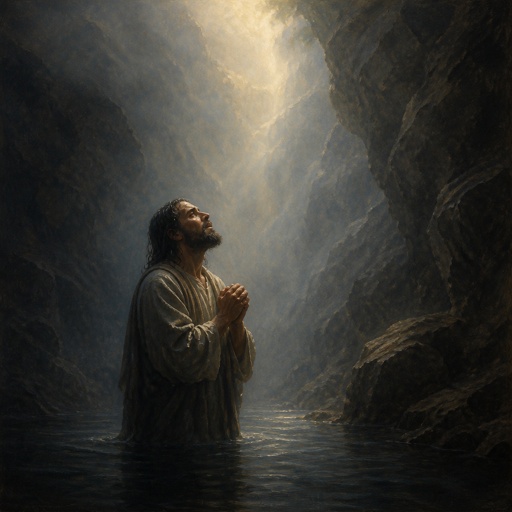
"Out of the depths have I cried unto thee, O LORD." - Psalms 130:1
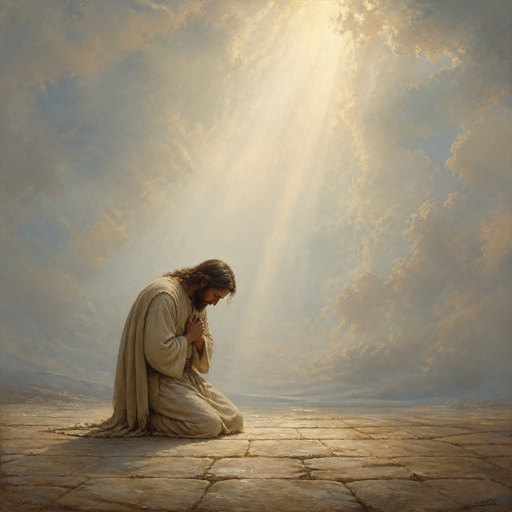
"If thou, LORD, shouldest mark iniquities, O Lord, who shall stand?" - Psalms 130:3
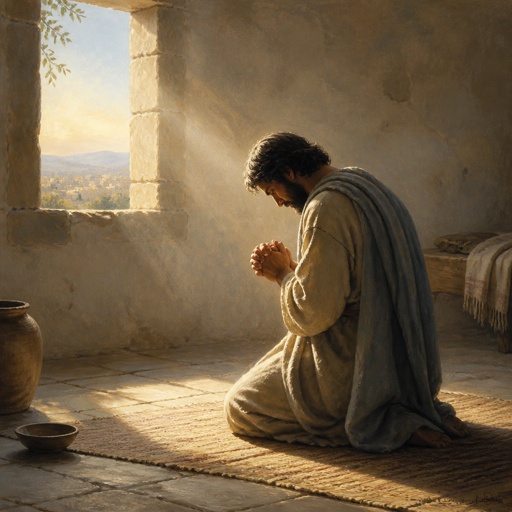
"Lord, hear my voice: let thine ears be attentive to the voice of my supplications." - Psalms 130:2
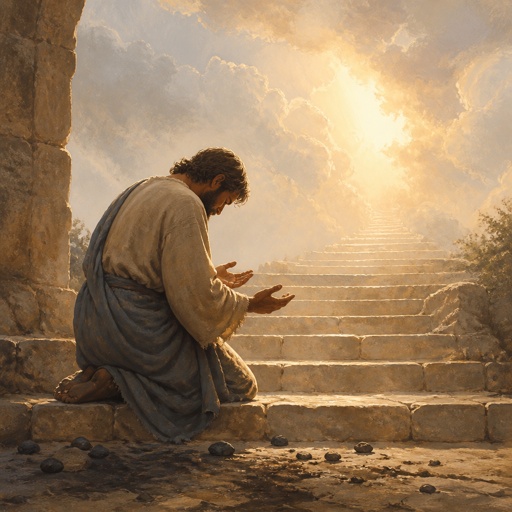
"If thou, Lord, shouldest mark iniquities, O Lord, who shall stand? But there is forgiveness with thee, that thou mayest be feared." - Psalm 130:3-4

Psalms 114:4 - "The mountains skipped like rams, and the little hills like lambs."

"For this was a statute for Israel, and a law of the God of Jacob." - Psalms 81:4

"For there are no bands in their death: but their strength is firm." - Psalms 73:4

Psalms 104:4 - "Who maketh his angels spirits; his ministers a flaming fire:"

Psalms 63:4 - "Thus will I bless thee while I live: I will lift up my hands in thy name."

"Offer the sacrifices of righteousness, and put your trust in the LORD." - Psalms 4:5

"They wandered in the wilderness in a solitary way; they found no city to dwell in." - Psalms 107:4

"As arrows are in the hand of a mighty man; so are children of the youth." - Psalms 127:4

Psalms 23:4