The Weight of Sorrow: Understanding Judgment and Compassion in Psalms 137:9
“Happy shall he be, that taketh and dasheth thy little ones against the stones.” — Psalms 137:9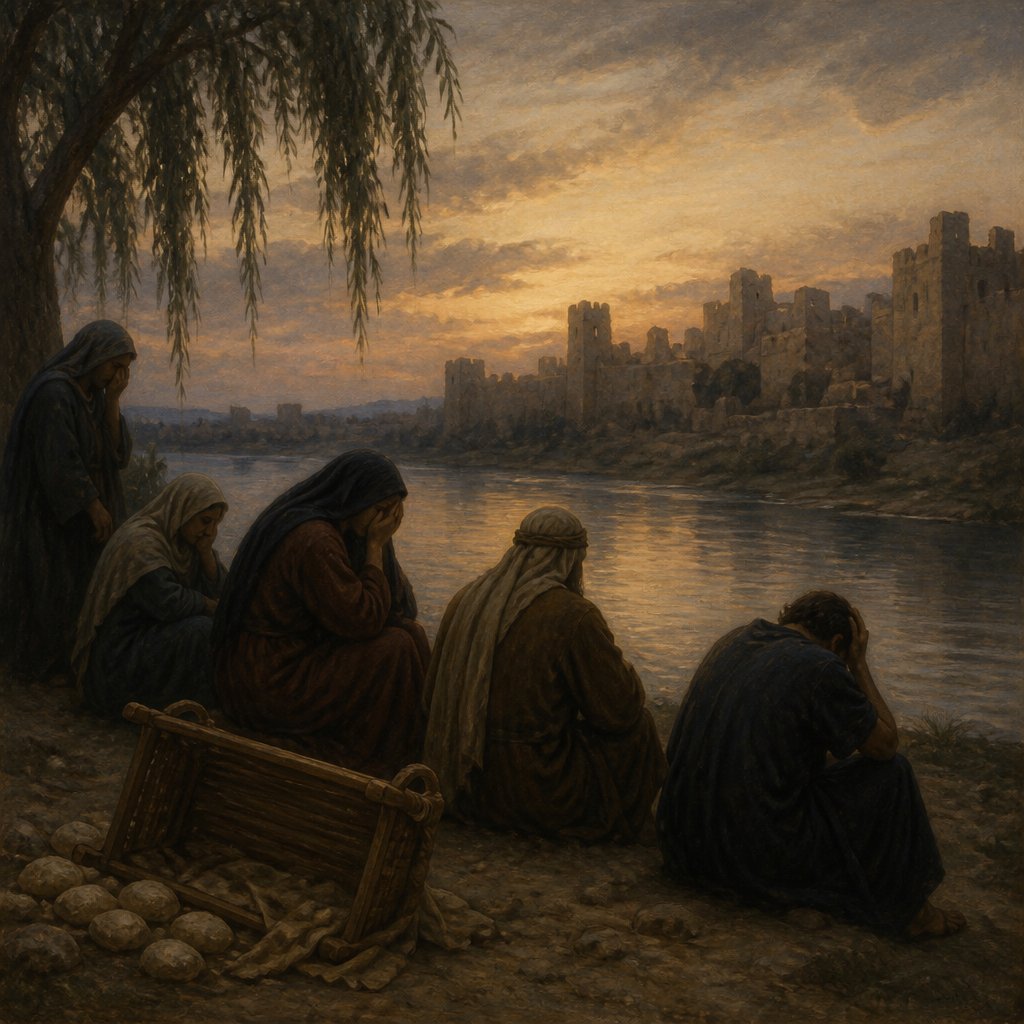
Psalms 137:9 (KJV) states, "Happy shall he be, that taketh and dasheth thy little ones against the stones." At first glance, this verse stands out in stark contrast to the overwhelming themes of love, mercy, and grace prevalent throughout Scripture. It can evoke feelings of shock, confusion, and discomfort. Yet, as we delve deeper, we uncover profound truths about grief, judgment, and the human condition that merit our attention.
The Psalm from which this verse is extracted is a shadowy reflection of the sadness experienced by the Israelites during their Babylonian captivity. They sit by the rivers of Babylon, remembering their homeland and feeling the weight of their loss. Each word echoes their profound sorrow and longing, revealing how deeply their exile affected them. This psalm is a lament, an emotional outpouring reflecting their pain, anger, and yearning for justice in a land that stripped them of their identity and dignity.
The appealing but jarring imagery of "dashing little ones against the stones" symbolizes something far greater than a mere act of violence. It expresses the desperation of oppressed people who feel utterly powerless, longing for recognition and retribution against those who inflicted their suffering. In ancient Near Eastern culture, children represented not only hope and future generations but also the very essence of innocence and purity. To express joy at their violent demise is to underscore the level of anguish felt by the captors’ victims.
Thus, this harsh declaration may serve to project a desire for justice, emphasizing the pain of being shattered spiritually and emotionally. It reveals an authoritative cry for vindication against incomprehensible wrong and the desire that those responsible for suffering would face consequences for their actions. In this way, we can understand it as a painful lament rather than an unequivocal endorsement of violence.
As believers, we are called to confront these darker expressions in Scripture not simply with disbelief or disdain but with contemplation. What does it mean for us to wrestle with such imagery? How can we interpret this verse within the larger narrative of the Bible?
In Jesus, we see the embodiment of an ultimate response to suffering. He teaches us how to love our enemies and pray for those who persecute us (Matthew 5:44). His approach stands in stark contrast to the rage and desire for vengeance so palpable in Psalms 137. Jesus reminds us that, although there is space for lamentation and anger in our hearts, our responses should be rooted in mercy and compassion. We are invited to engage our pain, channel our struggles toward attaining forgiveness and healing rather than perpetuating cycles of hate and violence.
Additionally, reflecting on our own experiences, particularly during times of sorrow and loss, allows us to engage with this text more personally. When we ourselves experience the burdens of betrayal, abandonment, or loss, we may feel the urge to call for justice or seek retribution. Our flesh cries out for vengeance akin to what the psalmist expresses. However, as we grow in faith, we are reminded that holding onto resentment will only poison our spirits. Embracing grace, even amid profound grief, is a testament to our Christian journey.
In closing, while Psalms 137:9 challenges us to confront uncomfortable truths about pain and justice, it furthermore beckons us toward a greater understanding of our call as followers of Christ. It urges us toward compassion, mercy, and love even in our hurt. Let us learn to transform our anger into a quest for understanding, healing, and ultimately forgiveness. And let that be our reflection and offering to those around us who are also lost, suffering, and yearning for justice.
Get our apps


Artwork for Psalms 137:9

Psalms 137:9 - "Happy shall he be, that taketh and dasheth thy little ones against the stones."

"Happy shall he be, that taketh and dasheth thy little ones against the stones." - Psalms 137:9

"Righteous art thou, O LORD, and upright are thy judgments." - Psalms 119:137

Psalms 137:2 - "We hanged our harps upon the willows in the midst thereof."

Psalms 119:137 - "Righteous art thou, O LORD, and upright are thy judgments."

"How shall we sing the LORD'S song in a strange land?" - Psalms 137:4

"We hanged our harps upon the willows in the midst thereof." - Psalms 137:2

Psalms 137:4 - "How shall we sing the LORD'S song in a strange land?"

Psalms 137:1 - "By the rivers of Babylon, there we sat down, yea, we wept, when we remembered Zion."

Psalms 137:5 - "If I forget thee, O Jerusalem, let my right hand forget her cunning."

"If I forget thee, O Jerusalem, let my right hand forget her cunning." - Psalms 137:5

Psalms 137:7 - "Remember, O LORD, the children of Edom in the day of Jerusalem; who said, Rase it, rase it, even to the foundation thereof."

"By the rivers of Babylon, there we sat down, yea, we wept, when we remembered Zion." - Psalms 137:1

Psalms 137:8 - "O daughter of Babylon, who art to be destroyed; happy shall he be, that rewardeth thee as thou hast served us."

PSALMS 137;5 SHOWING THE OLD CITY OF JERUSALEM

"O daughter of Babylon, who art to be destroyed; happy shall he be, that rewardeth thee as thou hast served us." - Psalms 137:8

Psalms 137:3 - "For there they that carried us away captive required of us a song; and they that wasted us required of us mirth, saying, Sing us one of the songs of Zion."

Psalms 137:6 - "If I do not remember thee, let my tongue cleave to the roof of my mouth; if I prefer not Jerusalem above my chief joy."

"If I do not remember thee, let my tongue cleave to the roof of my mouth; if I prefer not Jerusalem above my chief joy." - Psalms 137:6

"For there they that carried us away captive required of us a song; and they that wasted us required of us mirth, saying, Sing us one of the songs of Zion." - Psalms 137:3

Psalms 107:9
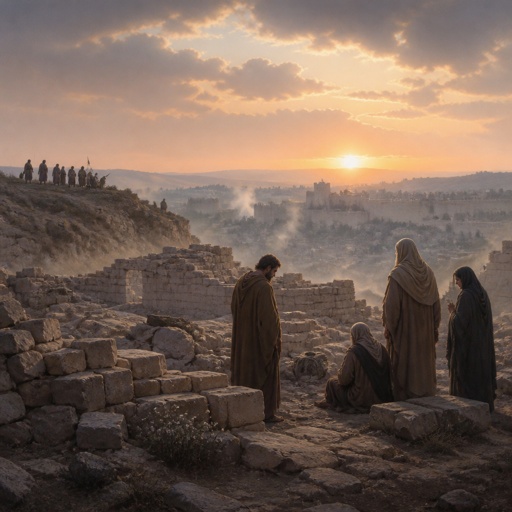
"Remember, O LORD, the children of Edom in the day of Jerusalem; who said, Rase it, rase it, even to the foundation thereof." - Psalms 137:7

"The LORD also will be a refuge for the oppressed, a refuge in times of trouble." - Psalms 9:9

Psalms 59:9 - "Because of his strength will I wait upon thee: for God is my defence."

"Mountains, and all hills; fruitful trees, and all cedars:" - Psalms 148:9

Psalms 9:5 - "Thou hast rebuked the heathen, thou hast destroyed the wicked, thou hast put out their name for ever and ever."

Psalms 107:9
"If I take the wings of the morning, and dwell in the uttermost parts of the sea;" - Psalms 139:9

Psalms 9:14 - "That I may shew forth all thy praise in the gates of the daughter of Zion: I will rejoice in thy salvation."

Psalms 9:9 - "The LORD also will be a refuge for the oppressed, a refuge in times of trouble."