Praised in Our Poverty: Finding Hope in Psalm 74:21
“O let not the oppressed return ashamed: let the poor and needy praise thy name.” — Psalms 74:21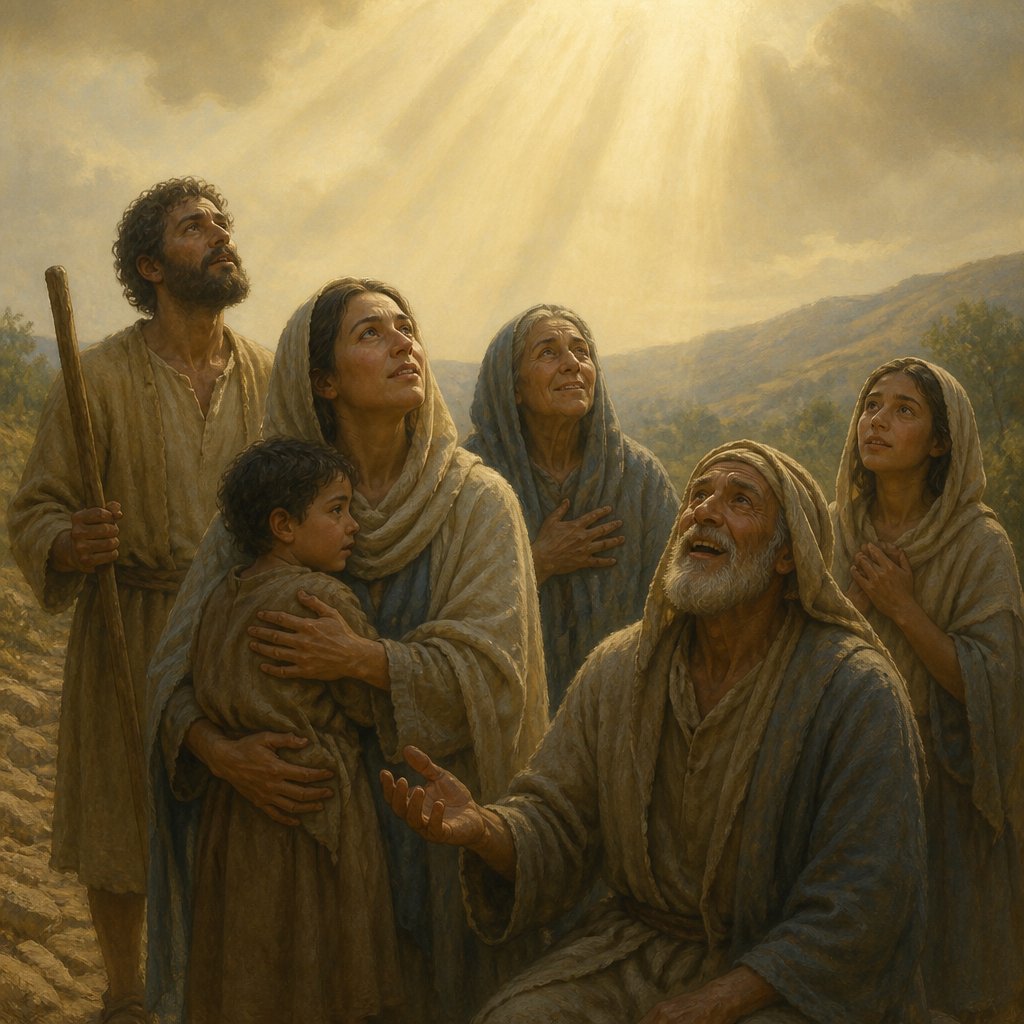
Psalm 74:21 states, "O let not the oppressed return ashamed: let the poor and needy praise thy name." This verse brings forth a powerful message of hope and encouragement for those who experience oppression and hardship. To unpack the profound meaning behind these words, we must explore the context of both the psalm itself and the implications of its message for our lives today.
The Book of Psalms, a collection of sacred songs and prayers, often reflects on the experiences of God’s people through times of trouble and despair. Psalm 74 emerges as a lament concerning the destruction of the temple and the suffering of God’s people at the hands of their enemies. The overall sentiment expressed here resonates deeply with those who feel marginalized, defeated, or oppressed—experiences that are often universal across cultures and generations.
In Psalm 74:21, the psalmist pleads with God not to let the oppressed return in shame, emphasizing the importance of dignity even in suffering. This part of the verse speaks volumes about God’s character and His concern for the downtrodden. Shame can be a crushing weight, particularly for those who are already vulnerable. When the oppressed are forced to face their oppressors, they bear not just the burden of their plight but the humiliation that sometimes accompanies it. The psalmist’s prayer reflects a deep yearning for justice and restoration, for the assurance that God will not allow such shame to prevail.
The second part of the verse exhorts the poor and needy to praise God’s name. This is intriguing at first glance, as it may seem improbable that those in dire circumstances should be encouraged to worship. However, this directive illuminates a crucial truth in the life of faith: worship can be an act of defiance against despair. When the poor and needy lift their voices in praise, they declare their unwavering trust in God's provision and goodness, even when their circumstances suggest otherwise. In doing so, they reject the narrative of shame and instead embrace a narrative of hope, knowing that God sees their plight and that they are worthy of His attention and love.
Consider the life of Jesus, who often identified with the poor and oppressed. His ministry was characterized by reaching out to those marginalized by society: the lepers, the blind, the tax collectors, and the sinners. Throughout His life and teaching, He redefined what it means to be blessed, as illustrated in the Beatitudes where He says, "Blessed are the poor in spirit: for theirs is the kingdom of heaven" (Matthew 5:3). This theme runs parallel to the sentiments expressed in Psalm 74:21, where in their need and poverty, the faithful find their worth in God's presence and promises.
In our contemporary context, oppression may manifest in various forms—economic hardship, social injustice, or spiritual despair. Many individuals experience feelings of shame associated with their situations, which can create barriers to praise and gratitude. Yet, this scripture offers a liberating perspective: that even in our lowest moments, we can approach God with confidence. We are reminded that our worth is not defined by our circumstances but by a God who loves us fiercely and desires relationship with us.
In practical terms, let us reflect on how we respond to our own struggles and those of others. Are we quick to offer support and encouragement, lifting one another up in prayer? Are we willing to praise God together, recognizing the strength that lies in community and shared faith? Let us carry the burden of our neighbors and intercede for justice and protection for the oppressed, just as the psalmist did. By acknowledging the struggles around us while celebrating God's faithfulness, we help combat the cycle of shame and despair.
Ultimately, Psalm 74:21 offers a stirring reminder to look beyond our present difficulties. We can cultivate a spirit of praise, acknowledging that in our most challenging moments, we have the opportunity to reflect God's glory and power, and to testify to His sustaining grace. The poor and needy have a place in the heart of God, and they must never be ashamed, for there is beauty in their worship, a testimony to His unwavering goodness.
Get our apps


Artwork for Psalms 74:21

Psalms 74:21 - "O let not the oppressed return ashamed: let the poor and needy praise thy name."
"O let not the oppressed return ashamed: let the poor and needy praise thy name." - Psalms 74:21

Psalms 74:6 - "But now they break down the carved work thereof at once with axes and hammers."

Psalms 74:12 - "For God is my King of old, working salvation in the midst of the earth."

Psalms 74:4 - "Thine enemies roar in the midst of thy congregations; they set up their ensigns for signs."
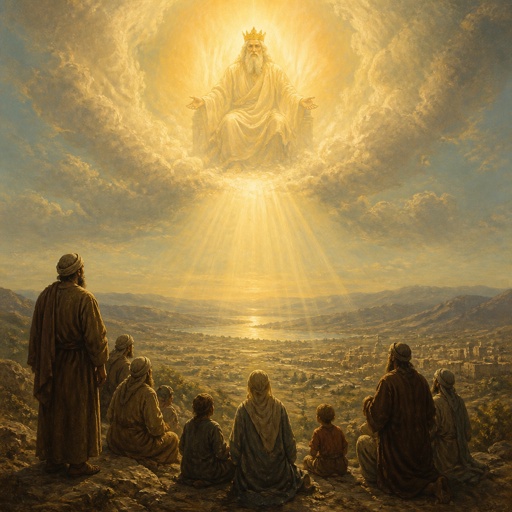
"For God is my King of old, working salvation in the midst of the earth." - Psalms 74:12

Psalms 74:13 - "Thou didst divide the sea by thy strength: thou brakest the heads of the dragons in the waters."

Psalms 119:74 - "They that fear thee will be glad when they see me; because I have hoped in thy word."

Psalms 74:18 - "Remember this, that the enemy hath reproached, O LORD, and that the foolish people have blasphemed thy name."

Psalms 74:23 - "Forget not the voice of thine enemies: the tumult of those that rise up against thee increaseth continually."
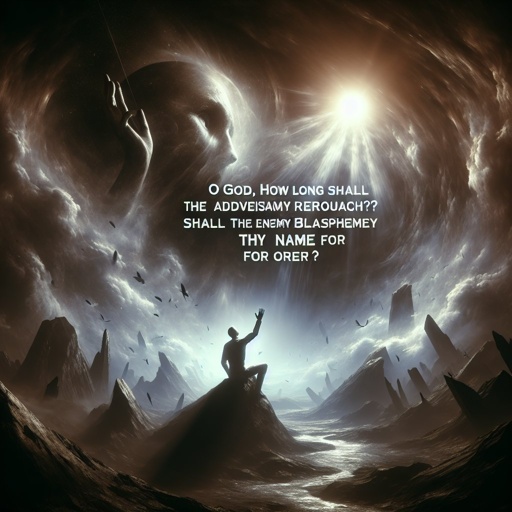
Psalms 74:10 - "O God, how long shall the adversary reproach? shall the enemy blaspheme thy name for ever?"

Psalms 74:15 - "Thou didst cleave the fountain and the flood: thou driedst up mighty rivers."

Psalms 74:20 - "Have respect unto the covenant: for the dark places of the earth are full of the habitations of cruelty."

Psalms 74:16 - "The day is thine, the night also is thine: thou hast prepared the light and the sun."
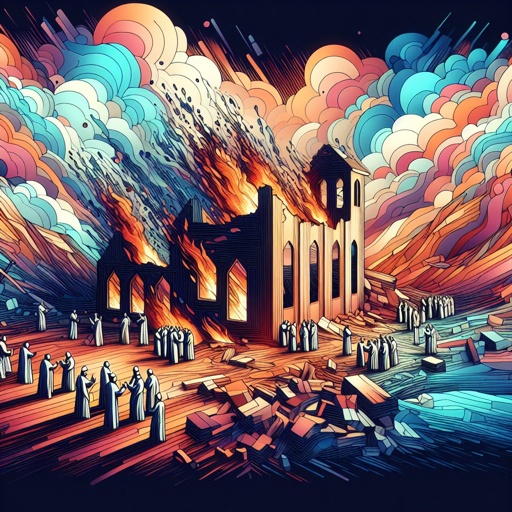
Psalms 74:8 - "They said in their hearts, Let us destroy them together: they have burned up all the synagogues of God in the land."
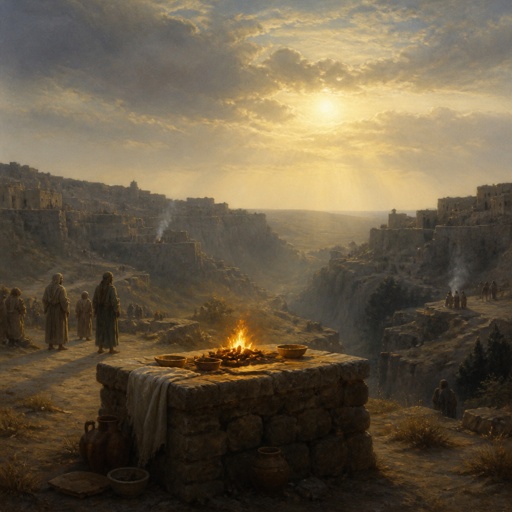
"Have respect unto the covenant: for the dark places of the earth are full of the habitations of cruelty." - Psalms 74:20

"The day is thine, the night also is thine: thou hast prepared the light and the sun." - Psalms 74:16

Psalms 74:17 - "Thou hast set all the borders of the earth: thou hast made summer and winter."

Psalms 74:14 - "Thou brakest the heads of leviathan in pieces, and gavest him to be meat to the people inhabiting the wilderness."

Psalms 74:5 - "A man was famous according as he had lifted up axes upon the thick trees."

Psalms 74:11 - "Why withdrawest thou thy hand, even thy right hand? pluck it out of thy bosom."
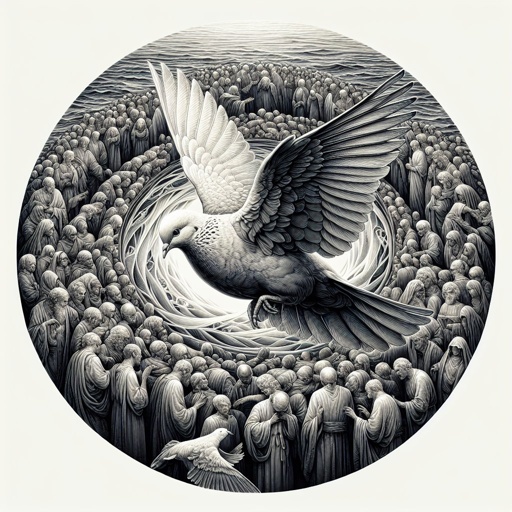
Psalms 74:19 - "O deliver not the soul of thy turtledove unto the multitude of the wicked: forget not the congregation of thy poor for ever."
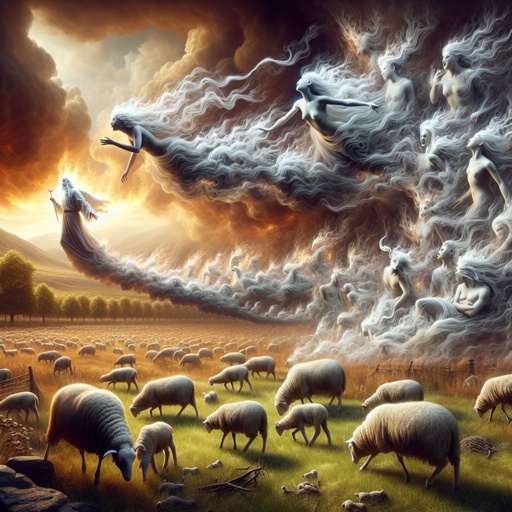
Psalms 74:1 - "O God, why hast thou cast us off for ever? why doth thine anger smoke against the sheep of thy pasture?"

Psalms 74:22 - "Arise, O God, plead thine own cause: remember how the foolish man reproacheth thee daily."
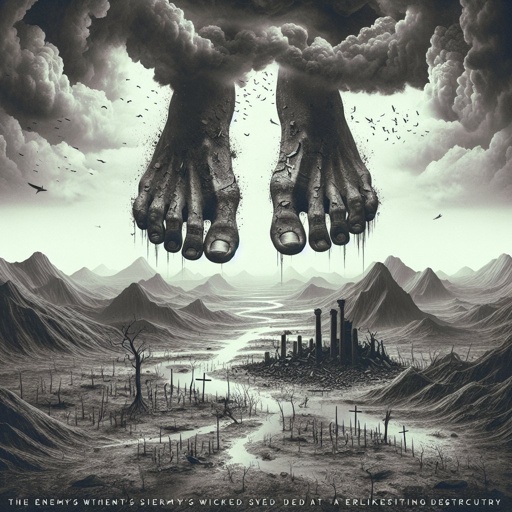
Psalms 74:3 - "Lift up thy feet unto the perpetual desolations; even all that the enemy hath done wickedly in the sanctuary."

Psalms 74:9 - "We see not our signs: there is no more any prophet: neither is there among us any that knoweth how long."

Psalms 74:7 - "They have cast fire into thy sanctuary, they have defiled by casting down the dwelling place of thy name to the ground."
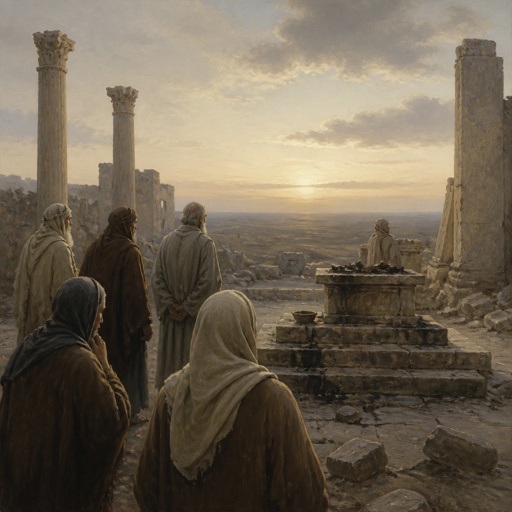
"We see not our signs: there is no more any prophet: neither is there among us any that knoweth how long." - Psalms 74:9
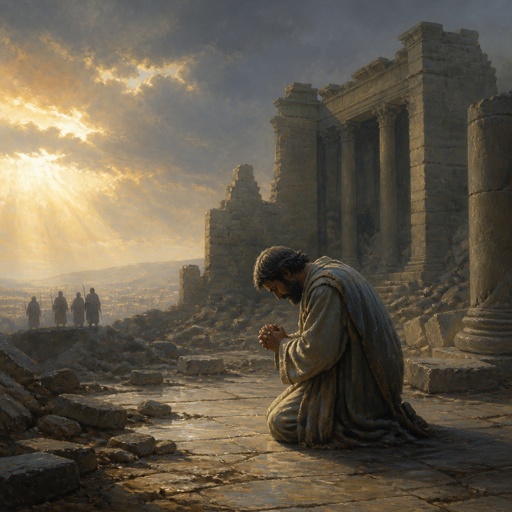
"O God, how long shall the adversary reproach? shall the enemy blaspheme thy name for ever?" - Psalms 74:10
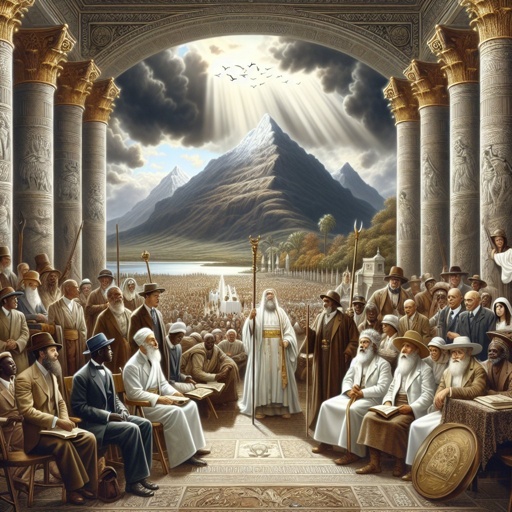
Psalms 74:2 - "Remember thy congregation, which thou hast purchased of old; the rod of thine inheritance, which thou hast redeemed; this mount Zion, wherein thou hast dwelt."