The Coming of the Third Woe: Embracing Hope Amidst Tribulation
“The second woe is past; and, behold, the third woe cometh quickly.” — Revelation 11:14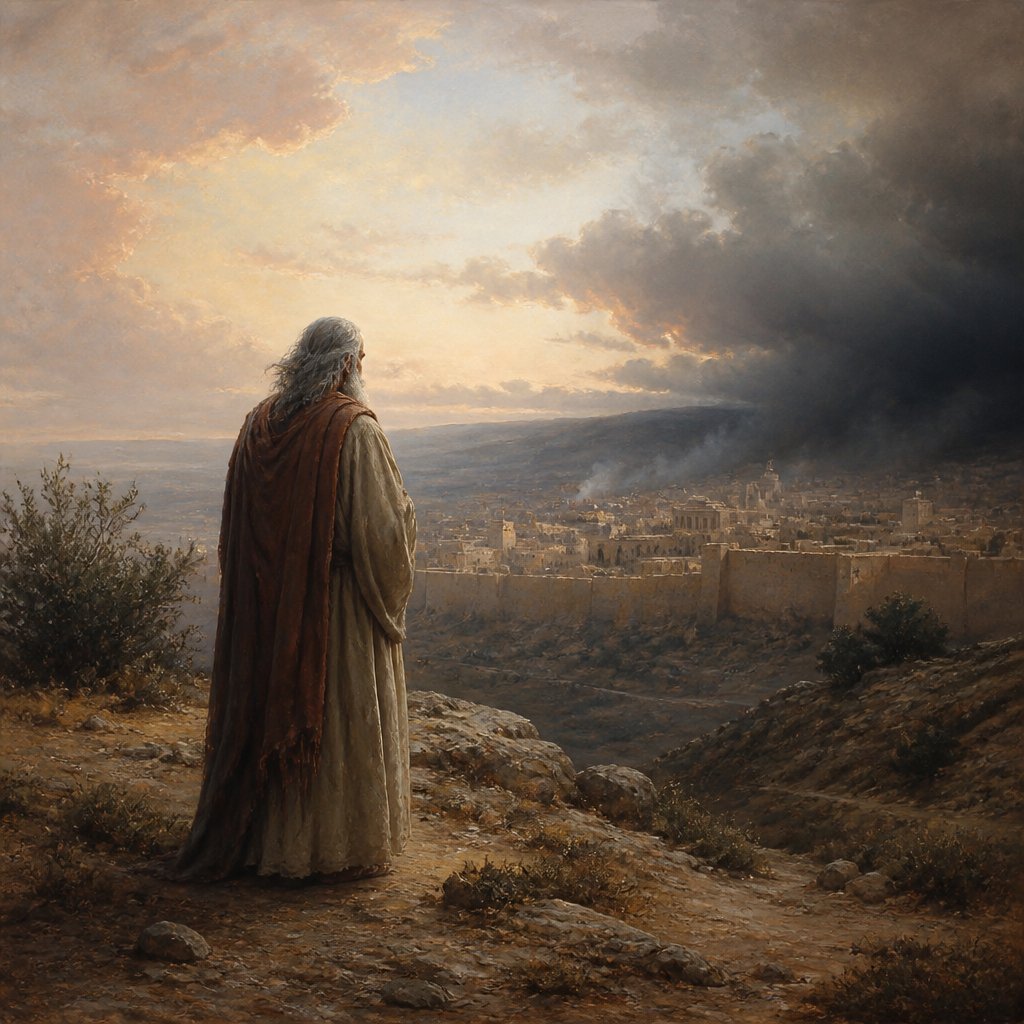
As we delve into the profound imagery of Revelation 11:14, we encounter a pivotal moment in the unfolding of God’s divine narrative. The King James Version captures this moment with the haunting proclamation: "The second woe is past; and, behold, the third woe cometh quickly." These words resonate with both a sense of urgency and a foreboding mystery. In this devotional, we explore the nature of woe, the significance of its conclusion, and the hope that the coming of the third woe holds for believers.
To truly appreciate the weight of the phrase "the second woe is past," we must remember the context in which it is placed. The Book of Revelation is filled with vivid imagery and prophetic declarations concerning the end times. The woes mentioned are judgments upon the earth, representing divine responses to humanity's rebellion against God. In the chapters preceding Revelation 11, we see calamities and tribulations described in staggering detail, each woe more severe than the last. The second woe, therefore, represents the culmination of unprecedented suffering and divine justice; it marks an era of profound spiritual conflict, as the forces of good and evil clash.
Yet, as we acknowledge the reality of the second woe, we must not linger in despair. The declaration that it is past carries immense significance for believers. It is an affirmation that suffering, trials, and tribulations are temporary. God’s sovereign authority is at work even amidst chaos. This reminder beckons us to look beyond our present circumstances and to place our hope in the larger narrative that God is weaving. The past tense of the second woe emphasizes that we do not serve a God captured by the immediacy of woe, but rather one who has already reached beyond it into the promise of redemption.
In the latter part of the verse, we read about the imminent arrival of the third woe: "behold, the third woe cometh quickly." The choice of the word "quickly" serves to invoke a sense of alertness and preparedness. As believers, we are called to be vigilant; we are reminded that the next chapter in God’s plan unfolds with rapidity. This serves as both a warning and an invitation. The warning points to the serious nature of the impending judgment, while the invitation calls us to readiness, not only to brace ourselves for what is to come but also to look forward with hope to the divine rescue that follows.
The coming of the third woe can be viewed through different lenses. For some, it may invoke fear, as the narrative of the end times includes scenes of judgment, destruction, and the finality of God’s justice. However, for the believer who has anchored their faith in Christ, it also offers profound reassurance. The anticipation of the third woe culminates not merely in judgment but in the realization of God’s sovereign plan—where justice prevails, and righteousness reigns eternal. This shifts our perspective from dread to expectation, from uncertainty to assurance.
In the face of our own trials and tribulations—economic struggles, health crises, or relationship breakdowns—may we find solace in the knowledge that all woes are temporary. Just as the second woe has passed, so too, can we trust that our current tribulations will not last forever. Embracing this hope empowers us to endure, to minister to others, and to declare the Gospel in a world filled with uncertainty. We are reminded that every woe brings us closer to the fulfillment of God's promises, for after judgment always comes restoration.
Let us therefore prepare our hearts in prayer and anticipation, engaging the world around us with a message of hope. As we read and meditate on the promises found throughout Revelation, let each declaration resonate within us: that while woes may come quickly, so too does the promise of His return, the final victory, and the restoration of all things in Christ. May we hold fast to our faith, live in hope, and remain faithful servants as we look toward our glorious future.
Get our apps


Artwork for Revelation 11:14

Revelation 11:14 - "The second woe is past; and, behold, the third woe cometh quickly."
"The second woe is past; and, behold, the third woe cometh quickly." - Revelation 11:14

Revelation 14:11 - "And the smoke of their torment ascendeth up for ever and ever: and they have no rest day nor night, who worship the beast and his image, and whosoever receiveth the mark of his name."

Revelation 17:14

Revelation 17:14

Revelation 17:14

Revelation 17:14

Revelation 14:6

Revelation 14:3

Revelation 17:14

Revelation 14:1

Revelation 1:11

Revelation 21:11

Revelation 11:9

Revelation 21:11

Revelation 1:11

Revelation 1:11

Revelation 9:11

Revelations 1:14

Revelations 7:11

The Virgin Brides of the Lamb (Revelation 14:4)

Revelations 8:11-13

Revelation 14:5 - "And in their mouth was found no guile: for they are without fault before the throne of God."

Revelation 20:14 - "And death and hell were cast into the lake of fire. This is the second death."

REVELATION 11:6. WATERS TURNING TO BLOOD

Revelation 16:11 - "And blasphemed the God of heaven because of their pains and their sores, and repented not of their deeds."

Revelation 14:16 - "And he that sat on the cloud thrust in his sickle on the earth; and the earth was reaped."

Revelation 14:12 - "Here is the patience of the saints: here are they that keep the commandments of God, and the faith of Jesus."

Revelation 11:4 - "These are the two olive trees, and the two candlesticks standing before the God of the earth."

Revelation 21:14 - "And the wall of the city had twelve foundations, and in them the names of the twelve apostles of the Lamb."