The Dangers of Blasphemy: A Call to Reverence and Faithfulness
“And he opened his mouth in blasphemy against God, to blaspheme his name, and his tabernacle, and them that dwell in heaven.” — Revelation 13:6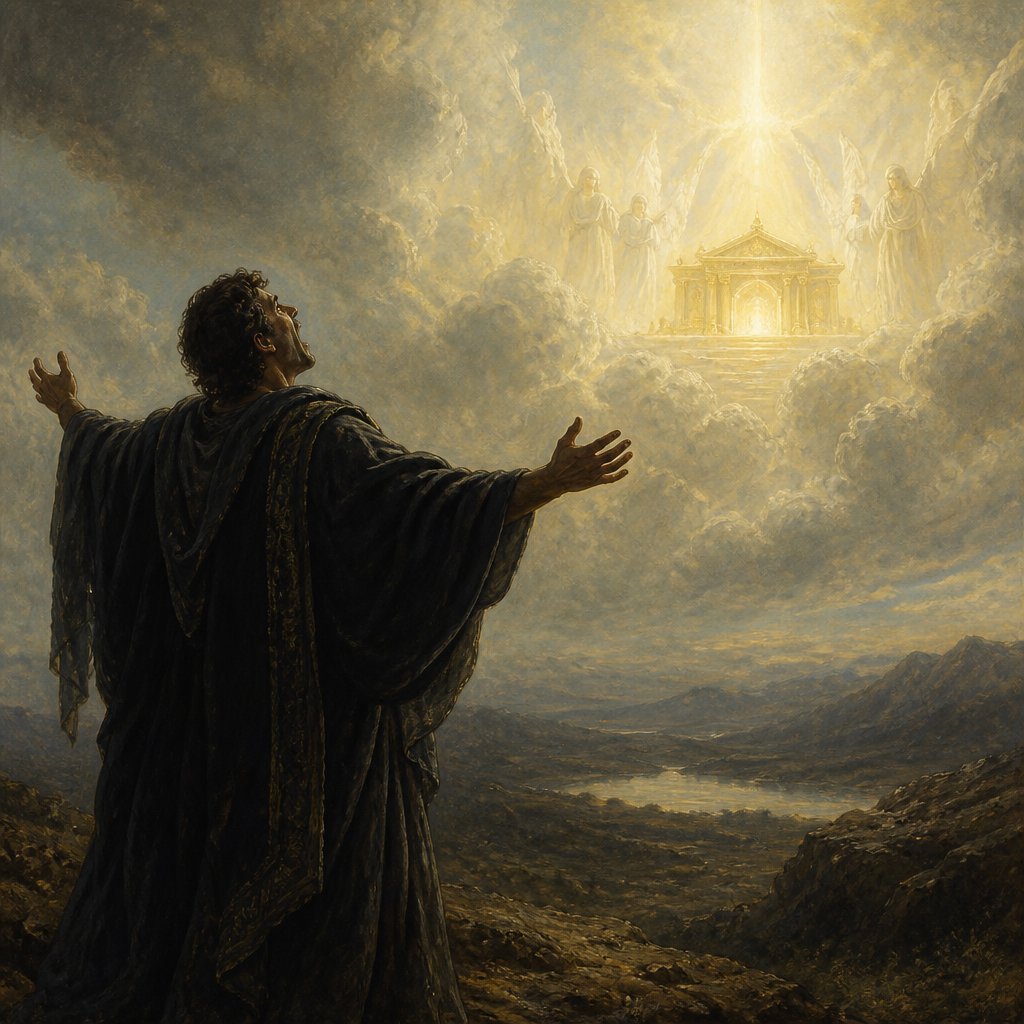
In the heart of the apocalyptic narrative presented in the Book of Revelation, we encounter a profound verse that speaks to the issues of faithfulness, reverence, and the confrontation with evil: "And he opened his mouth in blasphemy against God, to blaspheme his name, and his tabernacle, and them that dwell in heaven" (Revelation 13:6, KJV). As we delve into this verse, we are reminded of the ever-important need for discernment and dedication in our walk with the Lord amid a world where blasphemy against the divine is rampant.
\n
Revelation 13 unfolds under a variety of symbols and imagery that reflect the ultimate struggle between good and evil. The figure described in this chapter—often interpreted as the Antichrist or a representative of worldly powers—opens his mouth in blasphemy. This act signifies more than mere words; it represents a heart condition filled with rebellion against God. To blaspheme God's name is to dishonor His character, reject His authority, and propagate falsehoods that lead others away from truth and salvation.
\n
Understanding the gravity of blasphemy against God invites us to examine our own hearts and the culture around us. In our daily interactions—be it through conversations, media consumption, or personal attitudes—how often do we confront expressions that diminish the sacred nature of God and His attributes? Do we allow casual blasphemy to go unchecked in our lives, or do we strive for a deeper reverence for His name? In Isaiah 8:13, we are told, "Sanctify the Lord of hosts himself; and let him be your fear, and let him be your dread." This verse encourages us to approach God with awe and respect, aware of the weight of His holiness.
\n
What does it mean to blaspheme God's name? In essence, it involves an affront to His character, His commandments, and His very existence. It suggests a willingness to misrepresent who He is and what He stands for. This has implications for both the individual and the community of believers. We are called not just to guard against the blasphemy of others but to examine our own speech and actions that may inadvertently convey disapproval or lack of reverence for God’s truth.
\n
As the verse continues, it mentions His tabernacle—the dwelling place of God among His people. In the Old Testament, the tabernacle represented God’s presence and His covenant with Israel. To blaspheme the tabernacle implies an offense against the relationship God seeks to maintain with His creation. We must remember that God desires intimate fellowship with us. He invites us into His presence through Jesus Christ. Therefore, we should always work to protect the sanctity of our relationship with Him, understanding that neglect or abuse of this relationship is a serious matter.
\n
The verse concludes by mentioning "them that dwell in heaven." This phrase highlights the enormity of God’s community—the heavenly host, the angels, and the departed saints who are forever in His presence. To blaspheme the inhabitants of heaven is to disdain the very fabric of God’s designed order: His authority and the honor given to those He has called to serve Him. In Ephesians 3:10, we learn that the manifold wisdom of God is made known through the church, to the principalities and powers in heavenly places. This connects us to a larger reality, reminding us that our actions and words have influence beyond our immediate surroundings.
\n
In conclusion, Revelation 13:6 serves as a sobering reminder of our call to honor God and His community. The rise of blasphemy in our world is an invitation for us to reflect on our allegiance to God. Are we speaking words that uplift and affirm God’s nature, or are we inadvertently contributing to a culture that demeans Him? The battle against blasphemy begins in our hearts, urging us to sanctify the Lord in our thoughts and words. Let us strive to be voices that echo His truth as we navigate a world rife with opposition to God's holiness, embracing a lifestyle of reverence and faithfulness to the One who gives life and purpose.
Get our apps


Artwork for Revelation 13:6

Revelation 13:6 - "And he opened his mouth in blasphemy against God, to blaspheme his name, and his tabernacle, and them that dwell in heaven."
"And he opened his mouth in blasphemy against God, to blaspheme his name, and his tabernacle, and them that dwell in heaven." - Revelation 13:6

Revelation 6:13 - "And the stars of heaven fell unto the earth, even as a fig tree casteth her untimely figs, when she is shaken of a mighty wind."

Revelation 6

Revelation 13:10

revelation 1:13

Revelation 5:6

Revelation 14:6

Revelation 5:6

Revelation 21:6

Revelation 5:6

Revelation 13:16-17

revelation 1:13-16

Revelation 17:3-6

Revelation 17:3-6

Revelation 17:3-6

Revelation 17:3-6

Revelation 17:3-6

Revelations 1:13-16

Revelations 8:11-13

Revelation 13:13 - "And he doeth great wonders, so that he maketh fire come down from heaven on the earth in the sight of men,"

Revelation 13:9 - "If any man have an ear, let him hear."

Revelation 13:18 Mark of the Beast 666

Revelation 22:13 - "I am Alpha and Omega, the beginning and the end, the first and the last."

"And the stars of heaven fell unto the earth, even as a fig tree casteth her untimely figs, when she is shaken of a mighty wind." - Revelation 6:13

Revelation 17:13 - "These have one mind, and shall give their power and strength unto the beast."

REVELATION 11:6. WATERS TURNING TO BLOOD

Revelation 22:13 KJVA (13) I am Alpha and Omega, the beginning and the end, the first and the last.

Combine the authority theme described in Romans 13:1-7 and Revelation 13:1-10.

Revelation 19:13 - "And he was clothed with a vesture dipped in blood: and his name is called The Word of God."