Embracing Divine Displeasure: A Call to Righteousness
“But this thou hast, that thou hatest the deeds of the Nicolaitans, which I also hate.” — Revelation 2:6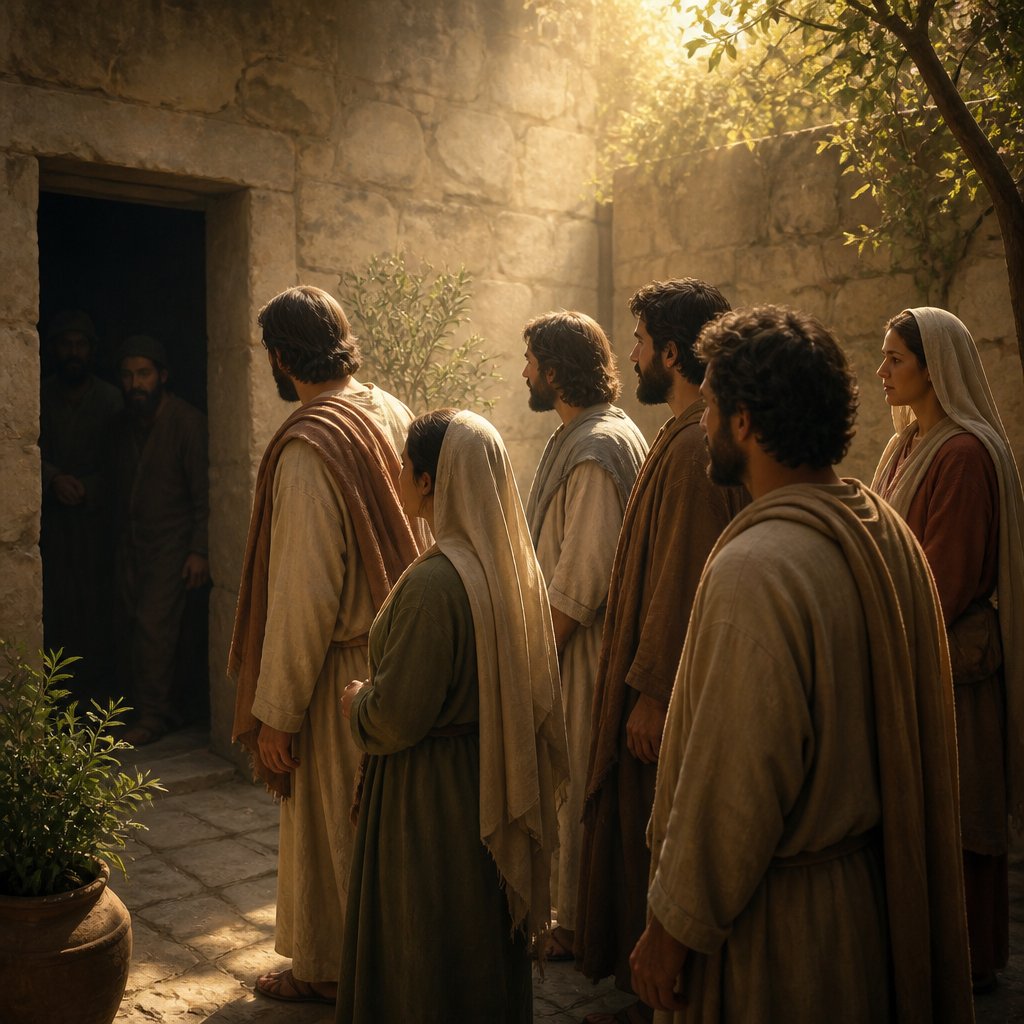
In the book of Revelation, we come face to face with Christ’s messages to the seven churches, each filled with instruction, warning, and hope. One particular verse, Revelation 2:6, states, "But this thou hast, that thou hatest the deeds of the Nicolaitans, which I also hate." This simple yet profound statement speaks volumes about our responsibility as believers and the abhorrence of sin in the eyes of God.
To understand the import of this verse, we must first address the identity of the Nicolaitans. Historical texts suggest that this group represented a faction within the early church that promoted a doctrine contrary to the gospel of Christ, possibly advocating for a form of compromise with the surrounding pagan culture. They blurred the lines between godly living and worldly indulgence, thus corrupting the pure faith the early Christians were called to uphold.
When Christ commends the Ephesian church for hating the deeds of the Nicolaitans, He highlights two critical facets of spiritual life: the necessity of discernment and a passion for holiness. Hate, in this context, does not foster a spirit of animosity but reflects a fervent rejection of practices that offend God’s holiness. Christ Himself embodies this principle; He does not merely dislike sin – He hates it. Why? Because sin separates us from the abundant life He offers and leads us away from the perfect will of God.
As Christians, we must also cultivate a heart that despises sin in all its forms. This calls for a transformative understanding of how we engage with our culture. Worldly influences can creep into our lives, often disguised as benign or harmless, yet they can lead to entrenched patterns of behavior that stand in contradiction to our faith. The Nicolaitans are a reminder of the subtle dangers of compromise that can erode our spiritual integrity.
We live in a society where moral relativism reigns, urging Christians to tolerate sin under the guise of love and acceptance. The call to hate the deeds of the Nicolaitans challenges this mindset. It drives us to examine the influences and practices we are willing to accept in our lives. Are we standing firm in our faith against unholy influences, or are we letting the culture dictate our beliefs?
Moreover, hating the deeds of the Nicolaitans is also an invitation to a deeper search of the heart. In our pursuit of holiness, we must not only recognize and reject external influences but also confront the internal struggles of our flesh. There may be areas within us akin to the Nicolaitans’ way of living—attitudes, thought patterns, or habits that compromise our witness for Christ.
God’s heart burns with a fire for righteousness, urging us towards purity and genuine faith. Therefore, as we reflect on this scripture, let us not simply adopt a stance of condemnation towards others but engage in introspection and prayer. Are there Nicolaitan tendencies in our hearts? Have we neglected our spiritual discernment in favor of ease and acceptance?
The act of hating sin aligns us with God’s will, forging a deeper relationship with Him as we strive towards purity. When we detest what God detests, we open ourselves to experience His love in profound and transformative ways. We move from simply avoiding sin to embracing righteousness passionately.
As we pray, let us ask the Lord to instill within us a hatred for sin, both in ourselves and in the actions of the world around us. But may we do so with a spirit of grace and love, always pointing others toward the redemptive power of Christ, who offers forgiveness for every misstep. By loathing the deeds of the Nicolaitans, we solidify our commitment to leading a life pleasing to God, filled with His love and guided by His truth.
Get our apps


Artwork for Revelation 2:6

Revelation 2:6 - "But this thou hast, that thou hatest the deeds of the Nicolaitans, which I also hate."
"But this thou hast, that thou hatest the deeds of the Nicolaitans, which I also hate." - Revelation 2:6

Revelation 6

Revelation 6:2 - "And I saw, and behold a white horse: and he that sat on him had a bow; and a crown was given unto him: and he went forth conquering, and to conquer."

Revelation 5:6

Revelation 21:6

Revelation 14:6

Revelation 5:6

Revelation 5:6

Revelation 17:3-6

Revelation 17:3-6

Revelation 17:3-6

Revelation 17:3-6

Revelation 17:3-6

REVELATION 11:6. WATERS TURNING TO BLOOD

2 Thessalonians 2:6 - "And now ye know what withholdeth that he might be revealed in his time."
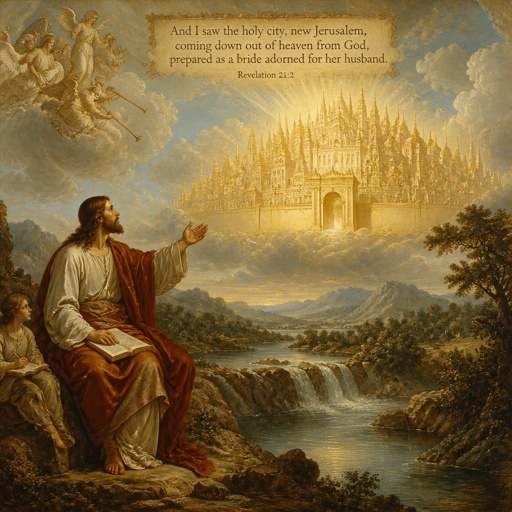
Revelation 21:2

Revelation 6:17 - "For the great day of his wrath is come; and who shall be able to stand?"

Revelation 8:6 - "And the seven angels which had the seven trumpets prepared themselves to sound."

Revelation 21:2
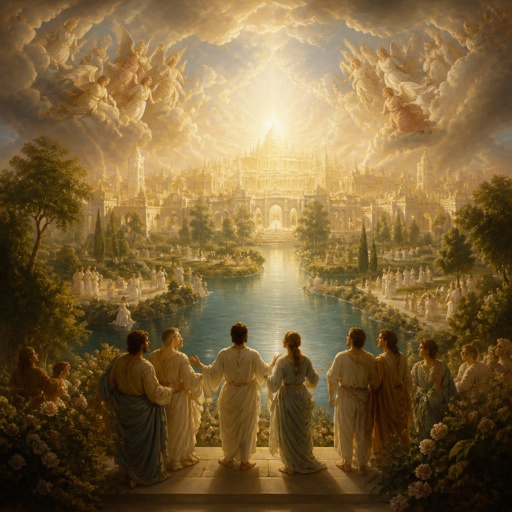
Revelation 21:2

Revelation 21:2

Revelation 21:2

Revelation 16:2

Revelation 16:2

Revelation 21:2

Revelation 2:1

Revelation 21:2

Revelation 6:6 - "And I heard a voice in the midst of the four beasts say, A measure of wheat for a penny, and three measures of barley for a penny; and see thou hurt not the oil and the wine."

Revelation 3:6 - "He that hath an ear, let him hear what the Spirit saith unto the churches."