Finding God in Unexpected Places
“But Esaias is very bold, and saith, I was found of them that sought me not; I was made manifest unto them that asked not after me.” — Romans 10:20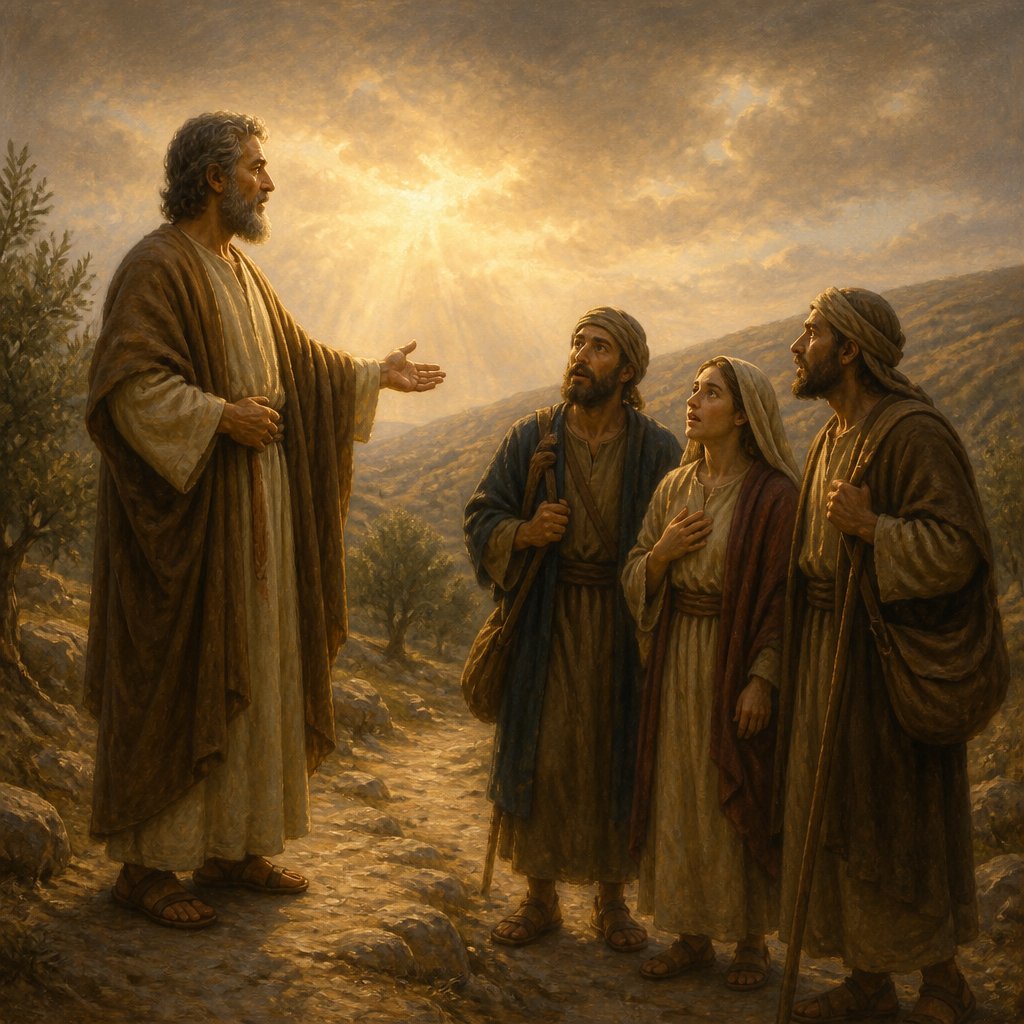
In Romans 10:20, the Apostle Paul, quoting from Isaiah, reflects a profound and challenging truth: "But Esaias is very bold, and saith, I was found of them that sought me not; I was made manifest unto them that asked not after me" (KJV). This verse invites us to explore the nature of God’s revelation and grace, as well as the profound implications of divine pursuit.
The context of Paul’s message in Romans is critical. He is engaging with the Jewish people who, despite having the Law and the prophets, often missed the essence of God's presence and purpose among them. Within this framework, Paul mentions Esaias (Isaiah) to illustrate a cornerstone of divine truth: God’s reaching out to those who least expect Him. This is not merely about the Gentiles or those outside the covenant of Israel but rather a demonstration of God’s sovereign grace that breaks through human definitions and expectations.
To understand "I was found of them that sought me not," we must consider the heart of God’s mission. God actively seeks out those who are lost, those who are wandering, and those who feel they are outside His love. The example of the Gentiles, who had no previous knowledge of God yet found Him and responded to His call, underscores this idea. God reveals Himself to those who do not even know to seek Him. This is the essence of grace—that unmerited favor that reaches us in the midst of our ignorance, while we remain unresponsive and unaware of our need.
This leads us to the realization that God’s pursuit is not restricted by our understanding or our efforts. How often do we, like the Israelites, presume we possess rightful access to God simply because of our rituals, heritage, or knowledge? We can become complacent, thinking we have all the answers, while others outside our circles are potentially experiencing a deeper encounter with the divine. God is breaking through every barrier we create, showing that He is not confined to the boundaries we establish.
The second part, "I was made manifest unto them that asked not after me," challenges us to examine our readiness to witness God’s presence in our lives. Even those who claim not to seek Him can experience His magnificent revelation. It prompts reflection upon how often we overlook God’s work in the lives of those around us and within ourselves. Are we attentive to the places where God is revealing Himself, even in unexpected circumstances? It can be through the kindness of a stranger, the beauty of creation, or even through our trials and struggles.
These moments are God’s gentle nudges asking us to recognize Him, prompting curiosity and inviting us to engage in a relationship with Him. As Christians, it is vital that we embrace and reflect the heart of God—the message that He is searching for the lost and eagerly revealing Himself to those who may not have made any effort to ask or seek Him out. We are reminded that our commission is to be conduits of His grace and love, not gatekeepers.
In a practical sense, this understanding should inspire us in our prayers and witness. Who are the people in our lives we believe are seeking God, and who are those we deem 'beyond reach'? God’s heart challenges these notions—calling us to pray for and pursue those we think are indifferent to His grace. God invites us to join in the work of revealing His love to those who have yet to know Him.
Let us take some time to reflect on our own hearts and those around us. Are we open to seeing God at work in unexpected places? Are we bold enough to trust that He is actively seeking those who do not even know to ask for Him? May we find joy and courage in the knowledge that God is ever-present, ever-active, reaching out to us and to others, manifesting His grace in ways we could never imagine.
Get our apps


Artwork for Romans 10:20

Romans 10:20 - "But Esaias is very bold, and saith, I was found of them that sought me not; I was made manifest unto them that asked not after me."
"But Esaias is very bold, and saith, I was found of them that sought me not; I was made manifest unto them that asked not after me." - Romans 10:20

Romans 10

Romans 10:17

Romans 10:17

Romans 10:17

Romans 10:17

Romans 10:17

Romans 10:17

Romans 10:17

Romans 10:14

Romans 10:17

Romans 10:9

Romans 10:9

Romans 10:13-15

Romans 10:10 - "For with the heart man believeth unto righteousness; and with the mouth confession is made unto salvation."

Romans 3:10 - "As it is written, There is none righteous, no, not one:"

Romans 6:20 - "For when ye were the servants of sin, ye were free from righteousness."

Romans 2:20 - "An instructor of the foolish, a teacher of babes, which hast the form of knowledge and of the truth in the law."

Romans 7:20 - "Now if I do that I would not, it is no more I that do it, but sin that dwelleth in me."

Romans 3:20 - "Therefore by the deeds of the law there shall no flesh be justified in his sight: for by the law is the knowledge of sin."

Romans 11:20 - "Well; because of unbelief they were broken off, and thou standest by faith. Be not highminded, but fear:"

Romans 4:20 - "He staggered not at the promise of God through unbelief; but was strong in faith, giving glory to God;"

Romans 10:4 - "For Christ is the end of the law for righteousness to every one that believeth."

Romans 10:11 - "For the scripture saith, Whosoever believeth on him shall not be ashamed."

Romans 10:17 - "So then faith cometh by hearing, and hearing by the word of God."

Romans 7:10 - "And the commandment, which was ordained to life, I found to be unto death."

Romans 10:13 - "For whosoever shall call upon the name of the Lord shall be saved."

Romans 15:10 - "And again he saith, Rejoice, ye Gentiles, with his people."

Romans 8:20 - "For the creature was made subject to vanity, not willingly, but by reason of him who hath subjected the same in hope,"