Grafted Into Grace: Understanding Our Place in God’s Family
“And if some of the branches be broken off, and thou, being a wild olive tree, wert graffed in among them, and with them partakest of the root and fatness of the olive tree;” — Romans 11:17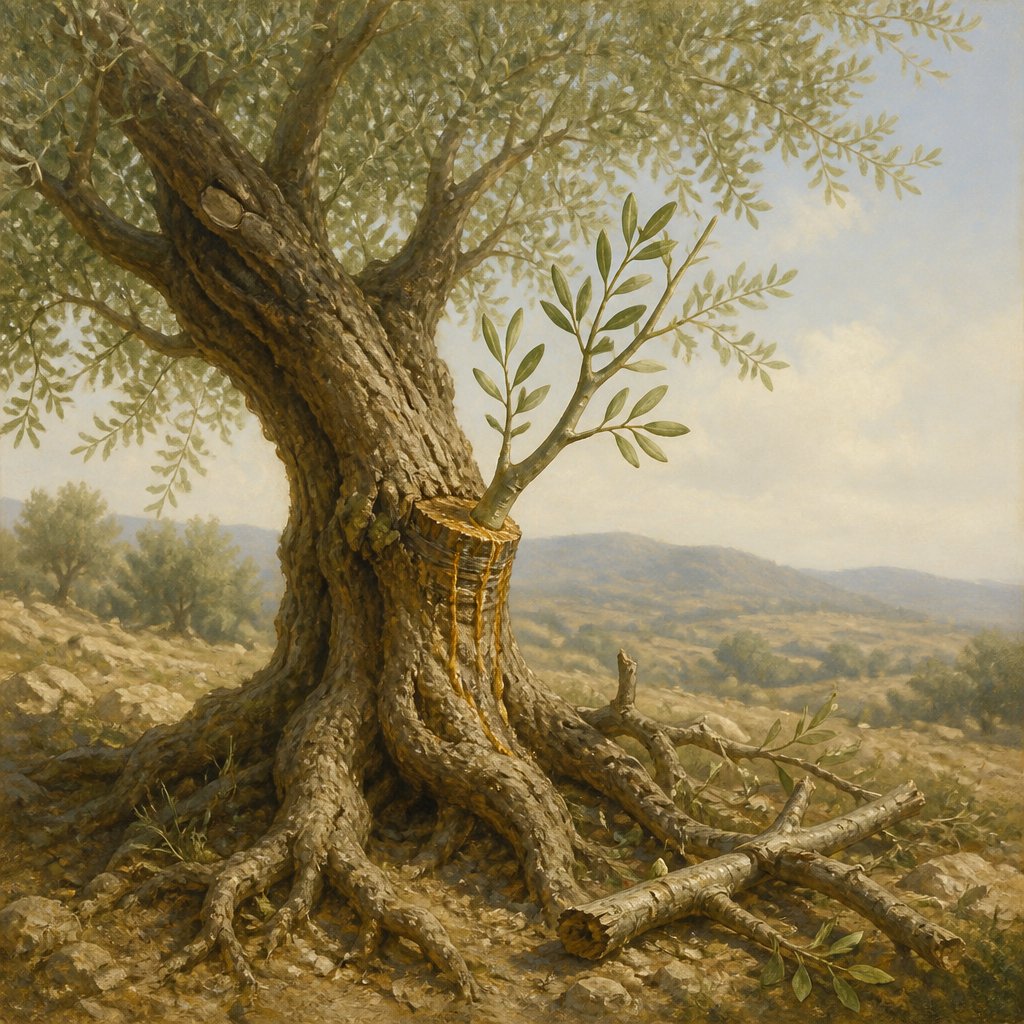
Romans 11:17 (KJV) states, "And if some of the branches be broken off, and thou, being a wild olive tree, wert graffed in among them, and with them partakest of the root and fatness of the olive tree." This verse speaks volumes about God’s sovereignty, grace, and the beautiful complexity of salvation. At the heart of this passage lies the metaphor of the olive tree, which represents God’s chosen people—Israel—and the promise of redemption through faith.
To fully grasp the significance of this imagery, we must delve into the cultural and historical context of the olive tree in biblical times. The olive tree was not only a source of sustenance but also a symbol of peace and prosperity. Olives were a staple in the Mediterranean diet, and olive oil played a crucial role in religious rituals. Thus, the olive tree allegorically represents the nurturing and rich heritage of faith that God has established among His people.
In the context of Romans 11, the Apostle Paul addresses the relationship between Gentile believers (the wild olive tree) and Jewish believers (the cultivated olive tree). The broken branches represent those of Israel who turned away from God and rejected the Messiah, Jesus Christ. However, the beauty of the gospel message is that God has made a way for the wild branches—the Gentiles—to be grafted in. This is an exquisite expression of grace, illustrating that salvation is not confined to a single ethnic group but is available to all who believe in Christ.
As we reflect on this profound truth, we should consider our own position as wild branches. Prior to our faith in Christ, we were separate from the covenant promise, strangers to the blessings that flowed through the lineage of Abraham, Isaac, and Jacob. Yet, in our vulnerability and sinfulness, God invited us into His family, not through our merit, but purely through His grace. We must not underestimate the depth of this act of kindness. As wild olive trees, we were outsiders, unworthy of the nourishment from the roots of the olive tree. Yet, we have been grafted in to partake in the riches and sustenance that comes from God's covenant promises.
To partake of the "root and fatness" of the olive tree is more than receiving physical sustenance; it’s about entering a relationship with God that nurtures our soul. It signifies being filled with the Holy Spirit, receiving wisdom, and enjoying the blessings of knowing God intimately. This relationship transforms our identity and understanding of who we are in Christ. We are not merely beneficiaries of grace; we are active participants in God’s story of redemption.
However, Paul also cautions us to remain humble and aware of our position. In Romans 11:18-20, he reminds us not to boast against the branches that were broken off. Pride can easily creep into our hearts when we think of our status as grafted branches. Instead, we should approach this reality with gratitude and reverence, recognizing that our place in the family of God is not a result of our own efforts but God’s unmerited favor.
As we live out our faith day by day, let us remember that we are called to bear fruit. Just as a grafted branch must abide in the vine to flourish, we are called to remain in Christ, drawing from the source of life that sustains us. This means actively engaging in prayer, studying the Word, and participating in the life of the Church. As we do so, we will not only grow individually in our faith but also contribute to the health and vitality of the community of believers, as we share the fatness of God’s blessings together.
In conclusion, Romans 11:17 invites us to celebrate the incredible grace of being grafted into God’s family. It reminds us to cherish our place in Christ and to never take for granted the divine inheritance we have received. Let our lives reflect gratitude for the root from which we draw nourishment—giving glory to God for His generous love that extends to all who will believe.
Get our apps


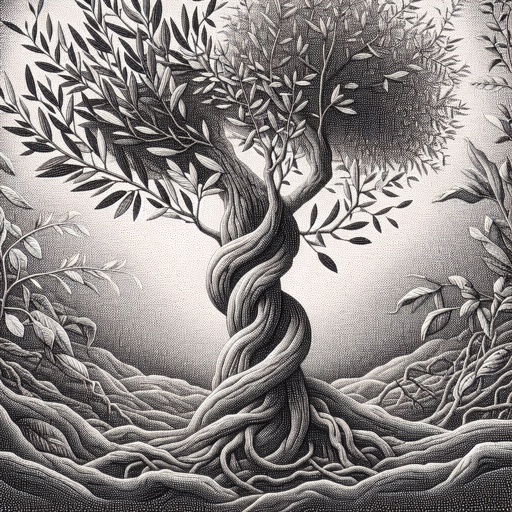
Artwork for Romans 11:17

Romans 11:17 - "And if some of the branches be broken off, and thou, being a wild olive tree, wert graffed in among them, and with them partakest of the root and fatness of the olive tree;"
"And if some of the branches be broken off, and thou, being a wild olive tree, wert graffed in among them, and with them partakest of the root and fatness of the olive tree;" - Romans 11:17

Romans 10:17

Romans 10:17

Romans 10:17

Romans 11:11

Romans 10:17

Romans 10:17

Romans 10:17

Romans 16:17

Romans 10:17

Romans 16:17

Romans 10:17

Romans 16:17

Romans 11:18
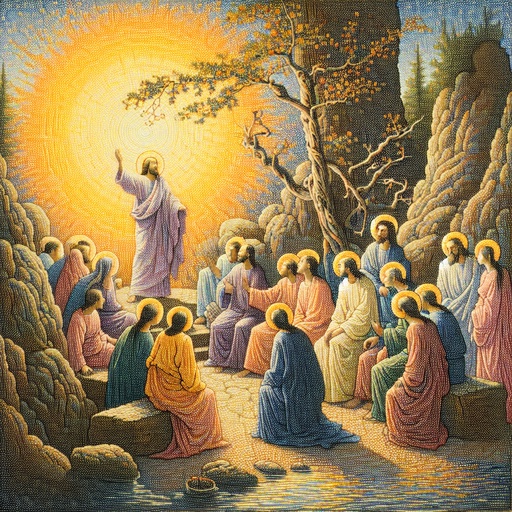
Romans 11:18

Romans 11:18
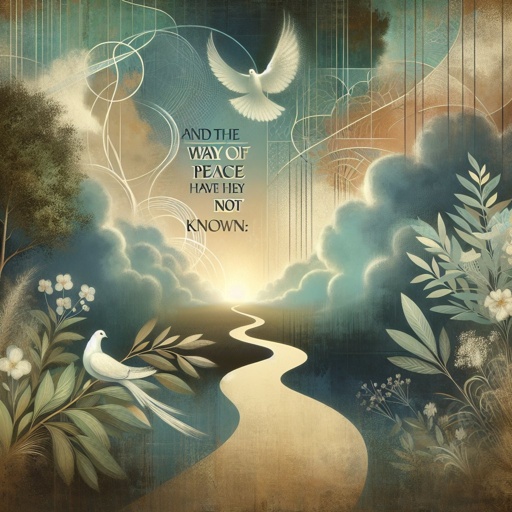
Romans 3:17 - "And the way of peace have they not known:"

Romans 11:18

Romans 11:18

Romans 11:18
Romans 11:18

Romans 8:11

Romans 5: 1-11

Romans 11:25-32

Romans 2:11 - "For there is no respect of persons with God."

Romans 5: 1-11

Romans 7:17 - "Now then it is no more I that do it, but sin that dwelleth in me."

Romans 10:17 - "So then faith cometh by hearing, and hearing by the word of God."

Romans 11:29 - "For the gifts and calling of God are without repentance."