The Covenant of Grace: Understanding God's Promise to Israel
“For this is my covenant unto them, when I shall take away their sins.” — Romans 11:27
When we look at Romans 11:27, we are reminded of the profound nature of God’s covenant with His people: "For this is my covenant unto them, when I shall take away their sins.” This verse encapsulates the heart of God's redemptive plan not only for Israel but for all humanity. To truly grasp the significance of this scripture, we must delve into the historical and theological context that surrounds God's covenants with His chosen people and how these promises continue to resonate throughout our faith journey today.
The Apostle Paul, in Romans chapter 11, addresses the tension between Israel and the Gentile believers, emphasizing that despite Israel's current state of unbelief, God remains faithful to His covenant. Paul quotes from the prophetic books to underscore that God's promises are irrevocable. The context reveals that Israel as a nation is not rejected but rather set aside temporarily for the sake of the Gentiles. This serves as a reminder that God’s plans often operate on a timeline far broader than we can perceive, demonstrating His unfailing faithfulness.
The covenant referenced in Romans 11:27 harkens back to God’s promise in the Old Testament. In passages such as Jeremiah 31:34, God declares, "...I will forgive their iniquity, and I will remember their sin no more." It is this divine assurance that offers a glimpse into the magnificent mercy of God—deeply embedded in His desire to restore relationships and forgive sins. We see that God's commitment to taking away sin is central to His nature and character. This covenant points ultimately to the New Covenant established through Jesus Christ, where the writer of Hebrews tells us about the better promises made through the blood of Christ (Hebrews 8:6).
Understanding this verse not only acknowledges God's promise to Israel but also beckons us to reflect on the implications of sin and redemption in our own lives. Sin creates a divide; it distorts relationships, both with God and among ourselves. Yet, God's covenant signifies hope. He has initiated a relationship willing to take our sins away. In a world filled with guilt and burdens of shame, this promise shines like a beacon of light in the darkness.
Moreover, we must consider the depth of God’s pledge. The phrase "when I shall take away their sins" implies an active engagement and initiative on God's part. He does not merely overlook sin; He addresses it head-on. In launching His plan for redemption, He sacrificed His Son, Jesus Christ, to restore that fractured relationship with humanity. This is an astonishing display of love and grace. Through Christ’s atoning sacrifice, our sins are not just forgiven; they are removed as far as the east is from the west (Psalm 103:12).
As we meditate on the implications of Romans 11:27, we are called to respond. Accepting this gift of grace requires a humble heart willing to acknowledge our need for forgiveness. It drives us to the foot of the cross, where we find the ultimate expression of love. How can we then not extend this grace to others? The covenant of grace also positions us to live in light of our new identity in Christ—free from the shackles of sin, called to proclaim the Good News of hope to all nations, just as Israel was intended to do.
In conclusion, Romans 11:27 is more than a theological statement; it is a life-changing promise. God’s covenant was made not only for the children of Israel but for all who believe. The sacrificial love of Christ speaks into our lives today, urging us to embrace its transformative power. As we accept His forgiveness and grace, let us rise each day with the assurance that God remembers our sins no more, and we can live in the fullness of His covenant promise.
Get our apps


Artwork for Romans 11:27

Romans 11:27 - "For this is my covenant unto them, when I shall take away their sins."

"For this is my covenant unto them, when I shall take away their sins." - Romans 11:27

Romans 11:11

Romans 11:18
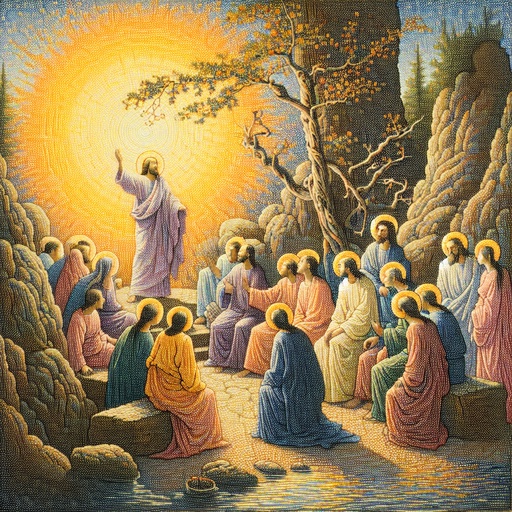
Romans 11:18

Romans 11:18

Romans 11:18

Romans 11:18

Romans 11:18

Romans 11:18

Romans 8:11

Romans 3:27 - "Where is boasting then? It is excluded. By what law? of works? Nay: but by the law of faith."

Romans 16:27 - "To God only wise, be glory through Jesus Christ for ever. Amen."

Romans 5: 1-11

Romans 11:25-32

Romans 2:11 - "For there is no respect of persons with God."

Romans 5: 1-11

Romans 11:29 - "For the gifts and calling of God are without repentance."
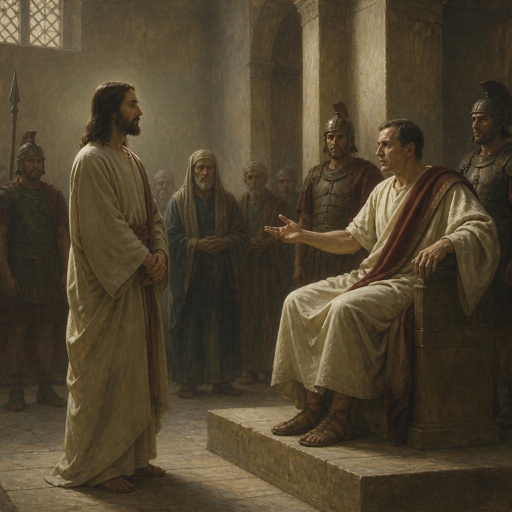
"And Jesus stood before the governor: and the governor asked him, saying, Art thou the King of the Jews? And Jesus said unto him, Thou sayest." - Matthew 27:11

Romans 8:27 - "And he that searcheth the hearts knoweth what is the mind of the Spirit, because he maketh intercession for the saints according to the will of God."

Romans 9:27 - "Esaias also crieth concerning Israel, Though the number of the children of Israel be as the sand of the sea, a remnant shall be saved:"

Romans 2:27 - "And shall not uncircumcision which is by nature, if it fulfil the law, judge thee, who by the letter and circumcision dost transgress the law?"

Romans 3:11 - "There is none that understandeth, there is none that seeketh after God."

Romans 12:11 - "Not slothful in business; fervent in spirit; serving the Lord;"

Romans 10:11 - "For the scripture saith, Whosoever believeth on him shall not be ashamed."

"For there is no respect of persons with God." - Romans 2:11

Romans 7:11 - "For sin, taking occasion by the commandment, deceived me, and by it slew me."

"Nevertheless the centurion believed the master and the owner of the ship, more than those things which were spoken by Paul." - Acts 27:11

Romans 11:10 - "Let their eyes be darkened, that they may not see, and bow down their back alway."

Romans 11:16 - "For if the firstfruit be holy, the lump is also holy: and if the root be holy, so are the branches."