The Boundless Mercy of God: Understanding Romans 11:32
“For God hath concluded them all in unbelief, that he might have mercy upon all.” — Romans 11:32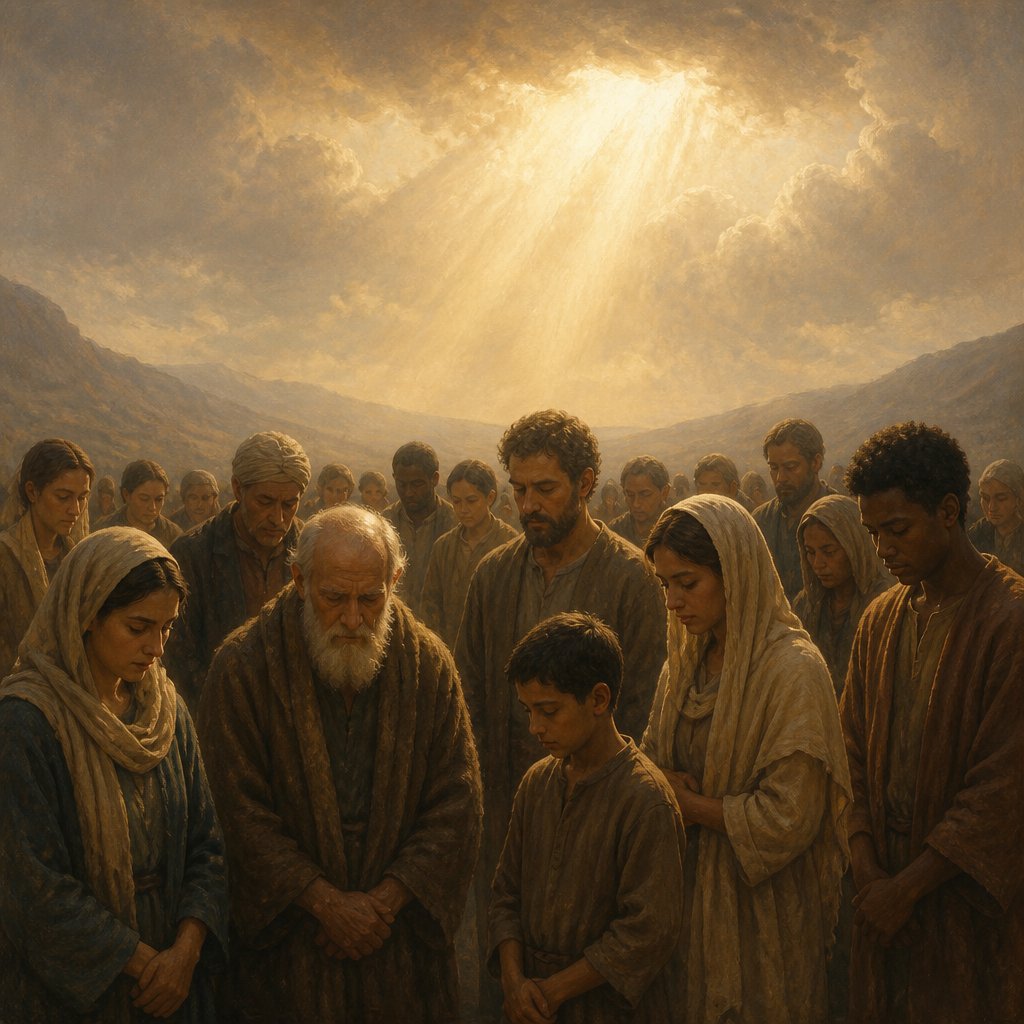
In Romans 11:32, the Apostle Paul writes, "For God hath concluded them all in unbelief, that he might have mercy upon all." This profound statement encapsulates a crucial aspect of God’s character—His infinite mercy, extended not only to the chosen but to all of humanity. To grasp the depth of this verse, we must first delve into its context and implications.
The book of Romans serves as a foundational epistle addressing the righteousness of God and the salvation offered through faith in Jesus Christ. Paul, writing to a mixed audience of Jews and Gentiles, confronts the stark reality of unbelief that permeated the hearts of the people, especially among the Jewish nation, who had the privilege of being God’s chosen people.
When Paul mentions that God “hath concluded them all in unbelief,” he acknowledges the universal condition of sin that afflicts humanity. This conclusion signifies that every individual, regardless of ethnicity or prior covenant blessings, has fallen short of the glory of God (Romans 3:23). Unbelief is not merely a failure to acknowledge God's existence but a rejection of His truth and an unwillingness to accept His grace. The bleak reality is that every person is ensnared in sin, unable to save themselves, lost in the darkness of despair without God’s intervention.
Yet, the starkness of God’s judgment leads to the brilliance of His mercy. The latter part of Romans 11:32 reveals the purpose behind God’s encompassing conclusion: “that he might have mercy upon all.” Herein lies the beauty of God’s redemptive plan. In His omniscient wisdom, God orchestrated a tapestry where even unbelief becomes a thread that accentuates the glory of His mercy. While humanity cannot save itself, God offers grace freely, inviting us to experience His compassion.
This profound mercy is not merely a passive response to human failure but an active pursuit of reconciliation. God takes the initiative. He does not delight in the judgment of the wicked (Ezekiel 18:32) but rather longs for every person to turn from wickedness and embrace the life that He offers. Paul reminds us in 1 Timothy 2:4 that God “will have all men to be saved, and to come unto the knowledge of the truth.” This verse captures the heartbeat of God’s desire for His creation—mercy that is willing to extend to every individual who calls upon Him.
As we reflect upon Romans 11:32, we are called to examine our own hearts. How do we respond to the mercy of God in our lives? Do we extend that same mercy to others? Our understanding of God’s mercy should ignite within us a compassionate spirit that seeks to share the good news of Jesus Christ with those who are still in disbelief. It is our privilege and responsibility as believers to communicate this mercy, offering hope to those wandering in darkness.
Furthermore, the acknowledgment that we too have been partakers of this great mercy humbles us. No one is beyond the reach of God’s grace. Perhaps you find yourself struggling with doubts, fears, or feelings of unworthiness. Remember that God’s mercy is not conditional upon our righteousness but based solely on His unfailing love. Even in our moments of weakness, His grace abounds and suffices.
As we meditate on Romans 11:32 this week, let us be reminded that God’s mercy is an ever-present invitation to believe. In a world rife with disbelief, let our lives reflect the profound truth that while we were yet sinners, Christ died for us (Romans 5:8). Let us not only rejoice in the mercy we have received but let us also become vessels of that mercy, carrying the message of hope to those who so desperately need it.
Get our apps


Artwork for Romans 11:32

Romans 11:32 - "For God hath concluded them all in unbelief, that he might have mercy upon all."
"For God hath concluded them all in unbelief, that he might have mercy upon all." - Romans 11:32

Romans 11:25-32

Romans 11:11

Romans 9:32 - "Wherefore? Because they sought it not by faith, but as it were by the works of the law. For they stumbled at that stumblingstone;"

Romans 15:32 - "That I may come unto you with joy by the will of God, and may with you be refreshed."

Romans 11:18
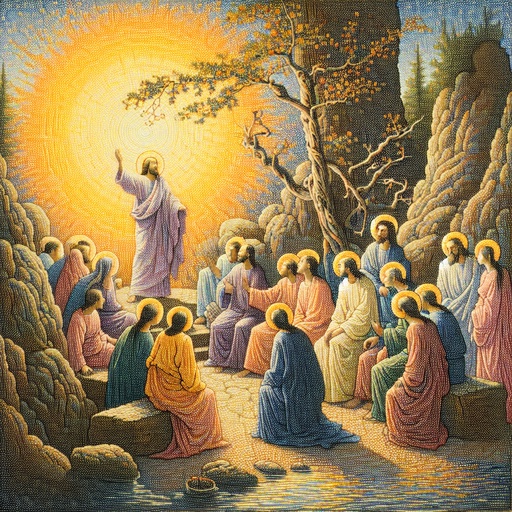
Romans 11:18

Romans 11:18

Romans 11:18

Romans 11:18

Romans 11:18

Romans 11:18

Romans 8:11

Romans 5: 1-11

Romans 2:11 - "For there is no respect of persons with God."

Romans 5: 1-11

Nehemiah 11:32 - "And at Anathoth, Nob, Ananiah,"

Romans 1:32 - "Who knowing the judgment of God, that they which commit such things are worthy of death, not only do the same, but have pleasure in them that do them."

Luke 15:11-32

Romans 11:29 - "For the gifts and calling of God are without repentance."

Romans 3:11 - "There is none that understandeth, there is none that seeketh after God."

Romans 12:11 - "Not slothful in business; fervent in spirit; serving the Lord;"

1 Kings 11:29-32

"He that spared not his own Son, but delivered him up for us all, how shall he not with him also freely give us all things?" - Romans 8:32

Romans 8:32 - "He that spared not his own Son, but delivered him up for us all, how shall he not with him also freely give us all things?"

"Wherefore? Because they sought it not by faith, but as it were by the works of the law. For they stumbled at that stumblingstone;" - Romans 9:32

1 Chronicles 11:32 - "Hurai of the brooks of Gaash, Abiel the Arbathite,"

Romans 10:11 - "For the scripture saith, Whosoever believeth on him shall not be ashamed."

"For there is no respect of persons with God." - Romans 2:11