
**Introduction**
In the complex tapestry of life, the role of authority figures is woven intricately. Romans 13:3-4 offers profound insights into the divine ordinance behind governance and authority. Paul, in this passage, instructs believers regarding the nature of rulers, presenting them as God’s ministers who are ordained for good but also bear a responsibility to execute justice against evil. The verses read:
*"For rulers are not a terror to good works, but to the evil. Wilt thou then not be afraid of the power? Do that which is good, and thou shalt have praise of the same: For he is the minister of God to thee for good. But if thou do that which is evil, be afraid; for he beareth not the sword in vain: for he is the minister of God, a revenger to execute wrath upon him that doeth evil."*
**Understanding Authority**
At first glance, many might perceive authority as restrictive and oppressive. However, Paul challenges this view by asserting that rulers are not meant to instill fear among those who do good. Instead, their role is to encourage and commend virtuous deeds. This distinction is vital for us as believers. Understanding that authority is instituted by God allows us to reframe our perspective on how we interact with those in power.
This passage reminds us that God’s intention for mankind has always been to promote righteousness. It urges us to recognize that obeying civil authority is part of our Christian duty, provided it does not conflict with the commands of God. Therefore, it is essential to cultivate an attitude that seeks to do good, regardless of the political climate or the behavior of those in authority.
**The Role of Good Works**
Paul highlights the principle that engaging in good works is both a moral and a practical approach to life under authority. He encourages us to act righteously, assuring us that we will receive praise from those in authority for our contributions to society. This means that as Christians, we should continually seek to uphold standards of goodness, kindness, honesty, and integrity in our lives and workplaces. As we act for the good, we reflect the character of our Creator and serve as lights in a world that often dwells in darkness.
**The Sword of Justice**
On the contrary, Paul warns that the authorities bear the sword, a symbol of justice and power, not without purpose. The ruler, he states, is also a minister of God, tasked with the serious responsibility of executing wrath upon those who do evil. This is a sobering reminder that neglecting the call to good works can lead us to face the consequences of our actions, particularly when they are harmful or unjust. God, in His sovereignty, allows leaders to maintain order, punish wrongdoing, and provide protection for society. Thus, we see that authority, when used correctly, should foster peace and safety within the community.
**The Application to Our Lives**
As we navigate our lives within any society, it is imperative to reflect on our disposition towards authority. Do we view our leaders with skepticism, or do we recognize the divine appointment behind their positions? Paul’s exhortation reminds us that our engagement with authority should be characterized by respect and a commitment to act righteously.
In practical terms, this might mean getting involved in community service, advocating for justice, or supporting policies that promote the common good. Moreover, it calls for prayer for our leaders—interceding for their wisdom and discernment as they carry out their duties.
**Conclusion**
Ultimately, Romans 13:3-4 serves to remind us of the balance between authority and accountability. While we are called to submit to governing institutions, our primary allegiance remains to God. In doing good, we honor not only the rulers but, more significantly, the Creator who ordained such authorities for our benefit. Let us strive to be agents of good in every sphere of influence, embodying the truth of the gospel through word and deed, ultimately reflecting God’s goodness in a world that desperately needs it.
Get our apps


Artwork for Romans 13:3-4

Romans 13:3-4 - "For rulers are not a terror to good works, but to the evil. Wilt thou then not be afraid of the power? Do that which is good, and thou shalt have praise of the same: For he is the minister of God to thee for good. But if thou do that which is evil, be afraid; for he beareth not the sword in vain: for he is the minister of God, a revenger to execute wrath upon him that doeth evil."

"For rulers are not a terror to good works, but to the evil. Wilt thou then not be afraid of the power? Do that which is good, and thou shalt have praise of the same: For he is the minister of God to thee for good. But if thou do that which is evil, be afraid; for he beareth not the sword in vain: for he is the minister of God, a revenger to execute wrath upon him that doeth evil." - Romans 13:3-4

Romans 4:3

Romans 3:13 - "Their throat is an open sepulchre; with their tongues they have used deceit; the poison of asps is under their lips:"

Romans 4:3 - "For what saith the scripture? Abraham believed God, and it was counted unto him for righteousness."

Romans 4:13 - "For the promise, that he should be the heir of the world, was not to Abraham, or to his seed, through the law, but through the righteousness of faith."

2 Corinthians 1:3-4

Romans 13:3 - "For rulers are not a terror to good works, but to the evil. Wilt thou then not be afraid of the power? do that which is good, and thou shalt have praise of the same:"

Romans 5:3-4 - "And not only so, but we glory in tribulations also: knowing that tribulation worketh patience; And patience, experience; and experience, hope."

"For what saith the scripture? Abraham believed God, and it was counted unto him for righteousness." - Romans 4:3

Romans 13:4 - "For he is the minister of God to thee for good. But if thou do that which is evil, be afraid; for he beareth not the sword in vain: for he is the minister of God, a revenger to execute wrath upon him that doeth evil."

Romans 4:13-14 - "For the promise to Abraham and his offspring that he would be heir of the world did not come through the law but through the righteousness of faith. For if it is the adherents of the law who are to be the heirs, faith is null and the promise is void."

Romans 3:3-4 - "For what if some were unfaithful? Will their unfaithfulness nullify God's faithfulness? Not at all! Let God be true, and every human being a liar. As it is written: "So that you may be proved right when you speak and prevail when you judge.""

Romans 3:4 - "God forbid: yea, let God be true, but every man a liar; as it is written, That thou mightest be justified in thy sayings, and mightest overcome when thou art judged."
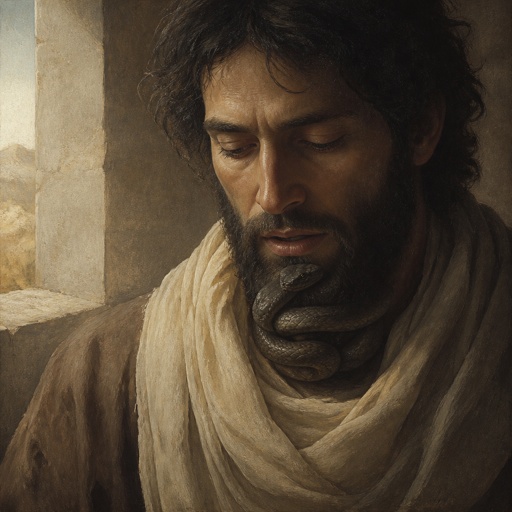
"Their throat is an open sepulchre; with their tongues they have used deceit; the poison of asps is under their lips:" - Romans 3:13

Romans 13:8

Romans 13:8

"For what saith the scripture? Abraham believed God, and it was counted unto him for righteousness." - Romans 4:3

Romans 10:13-15

"For the promise, that he should be the heir of the world, was not to Abraham, or to his seed, through the law, but through the righteousness of faith." - Romans 4:13

Romans 13:13 - "Let us walk honestly, as in the day; not in rioting and drunkenness, not in chambering and wantonness, not in strife and envying."

Romans 2:4

Romans 3:24

Romans 4:4 - "Now to him that worketh is the reward not reckoned of grace, but of debt."

Romans 12:13 - "Distributing to the necessity of saints; given to hospitality."

Romans 3:16 - "Destruction and misery are in their ways:"

Romans 15:4-6
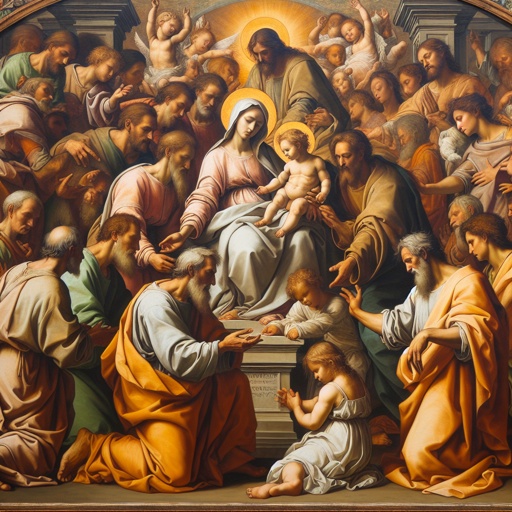
romans 12: 4-5

Romans 16:13 - "Salute Rufus chosen in the Lord, and his mother and mine."

depict the theme of Romans 13:8-14