Embracing the Weak: A Call to Unity in Faith
“Him that is weak in the faith receive ye, but not to doubtful disputations.” — Romans 14:1
In Romans 14:1, the Apostle Paul urges us, saying, "Him that is weak in the faith receive ye, but not to doubtful disputations." This verse beckons us to examine our attitudes towards those in the faith who may find themselves struggling or lacking in understanding. It challenges us to embrace rather than ostracize, to accept rather than judge, showcasing the beauty of unity in diversity within the body of Christ.
### Understanding Weakness in Faith
The term "weak in the faith" refers not to a deficiency, but rather to those who may have not fully grasped their liberty in Christ. These are brothers and sisters who might cling to certain traditions, regulations, or interpretations that stem from their past or their cultural context. They may struggle with issues that seasoned believers have already resolved. Yet, rather than dismissing them, Paul calls us to welcome them with open arms.
This is a profound challenge for the Church today. We live in an age where differences can lead to division, and debates on doctrine often obscure the true Gospel. However, Paul guides us to approach differing beliefs with grace. He knows that everyone grows in faith at a unique pace, and it is our responsibility as a community to nurture rather than criticize.
### A Call to Acceptance
To receive those weak in faith involves more than just a warm welcome; it demands an intentional effort to build bridges. This acceptance fosters an environment of support, where questions and uncertainties can be expressed without fear of judgment. As believers, we find our anchor in Christ alone, not in the strongest arguments or most definitive positions. Thus, our focus should always return to Him, the author and finisher of our faith.
Paul specifically advises against "doubtful disputations." This phrase warns us against engaging in arguments that lead nowhere productive. Instead of spending time quarreling over non-essential matters, we are called to foster love and understanding. This doesn’t mean we sacrifice truth for the sake of unity; rather, it involves prioritizing loving relationships over winning debates.
### Practical Steps Toward Acceptance
1. **Cultivate Empathy**: Understand that each believer's journey is unique. What may seem elementary to you could be a monumental revelation for someone else. Recognize that it takes time for every believer to mature.
2. **Be Patient**: Paul himself, in 1 Thessalonians 5:14, encourages us to be patient toward all. Patience is essential as we bear with one another’s weaknesses and help one another grow.
3. **Create Safe Spaces**: Encourage open dialogue where concerns and questions can be voiced without the fear of judgment. Create groups or forums within your church community designated for discussing challenging topics without attack.
4. **Focus on the Core**: Align discussions on what truly matters—the love of Christ, His grace, and His redemptive work on the cross. As we unify around these core truths, the secondary issues will begin to matter less.
### Conclusion: A Unified Body
When Paul calls us to receive the weak in faith, he emphasizes the beauty of the body of Christ coming together, irrespective of differences. Each member, regardless of their strength or weakness, plays an integral role in the overall health of the Church. It’s not about conforming everyone to a single belief system, but about creating a sanctuary of acceptance that invites the Holy Spirit to work in each heart.
In a world that often divides and isolates, may we be the Church that embodies love, grace, and acceptance. Let us heed Paul's exhortation to receive all members of our faith community, building each other up in love. For in that love, we reflect the very nature of Christ, who welcomed us in our fragility, and continue to renew us day by day.
Get our apps


Artwork for Romans 14:1

Romans 14:1 - "Him that is weak in the faith receive ye, but not to doubtful disputations."

Loving Beyond Our Differences; Romans 14:1-12

Together in Christ: Loving Beyond Our Differences; Romans 14:1-12

Together in Christ: Loving Beyond Our Differences; Romans 14:1-12

Together in Christ: Loving Beyond Our Differences; Romans 14:1-12

"Him that is weak in the faith receive ye, but not to doubtful disputations." - Romans 14:1

Romans 14:1-5 - "Accept the one whose faith is weak, without quarreling over disputable matters. One person’s faith allows them to eat anything, but another, whose faith is weak, eats only vegetables. The one who eats everything must not treat with contempt the one who does not, and the one who does not eat everything must not judge the one who does, for God has accepted them. Who are you to judge someone else’s servant? To their own master, servants stand or fall. And they will stand, for the Lord is able to make them stand. One person considers one day more sacred than another; another considers every day alike. Each of them should be fully convinced in their own mind."
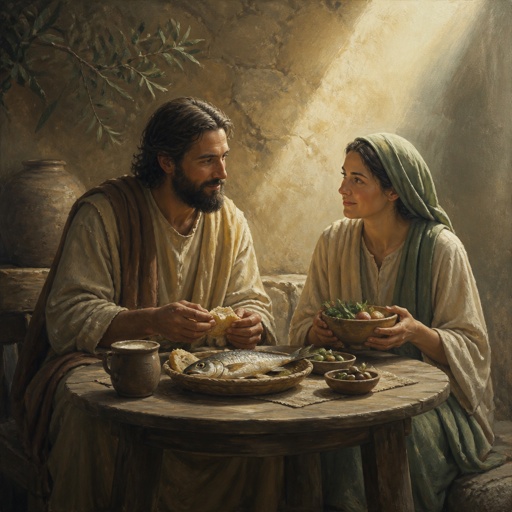
"Accept the one whose faith is weak, without quarreling over disputable matters. One person’s faith allows them to eat anything, but another, whose faith is weak, eats only vegetables. The one who eats everything must not treat with contempt the one who does not, and the one who does not eat everything must not judge the one who does, for God has accepted them. Who are you to judge someone else’s servant? To their own master, servants stand or fall. And they will stand, for the Lord is able to make them stand. One person considers one day more sacred than another; another considers every day alike. Each of them should be fully convinced in their own mind." - Romans 14:1-5

Romans 1:14 - "I am debtor both to the Greeks, and to the Barbarians; both to the wise, and to the unwise."

Romans 14:12

Romans 8:14

Romans 10:14
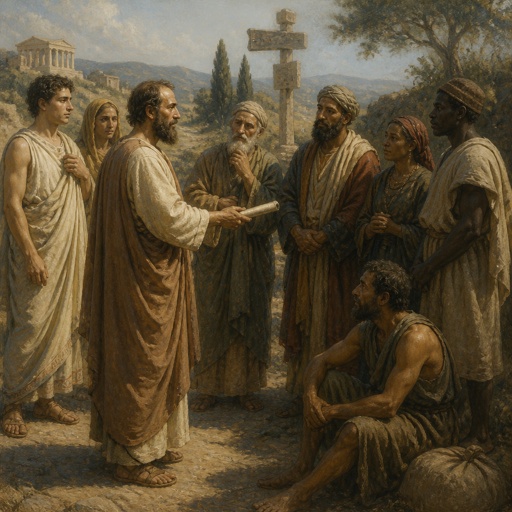
"I am debtor both to the Greeks, and to the Barbarians; both to the wise, and to the unwise." - Romans 1:14

Romans 14:16 - "Let not then your good be evil spoken of:"

Romans 3:14 - "Whose mouth is full of cursing and bitterness:"

Romans 8:14 - "For as many as are led by the Spirit of God, they are the sons of God."

Romans 14:7 - "For none of us liveth to himself, and no man dieth to himself."

depict the theme of Romans 13:8-14

Romans 12:14 - "Bless them which persecute you: bless, and curse not."

Romans 9:14 - "What shall we say then? Is there unrighteousness with God? God forbid."

Romans 14:18 - "For he that in these things serveth Christ is acceptable to God, and approved of men."

Romans 14:14 - "I know, and am persuaded by the Lord Jesus, that there is nothing unclean of itself: but to him that esteemeth any thing to be unclean, to him it is unclean."

Romans 14:12 - "So then every one of us shall give account of himself to God."

Romans 16:14 - "Salute Asyncritus, Phlegon, Hermas, Patrobas, Hermes, and the brethren which are with them."

Romans 14:17 - "For the kingdom of God is not meat and drink; but righteousness, and peace, and joy in the Holy Ghost."

Romans 7:14 - "For we know that the law is spiritual: but I am carnal, sold under sin."

Romans 4:14 - "For if they which are of the law be heirs, faith is made void, and the promise made of none effect:"

Romans 6:14 - "For sin shall not have dominion over you: for ye are not under the law, but under grace."
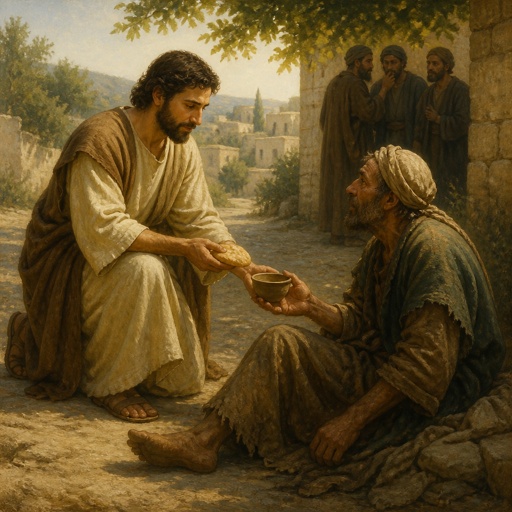
"Let not then your good be evil spoken of:" - Romans 14:16

Romans 13:14 - "But put ye on the Lord Jesus Christ, and make not provision for the flesh, to fulfil the lusts thereof."