Standing Tall in the Grace of God
“Who art thou that judgest another man’s servant? to his own master he standeth or falleth. Yea, he shall be holden up: for God is able to make him stand.” — Romans 14:4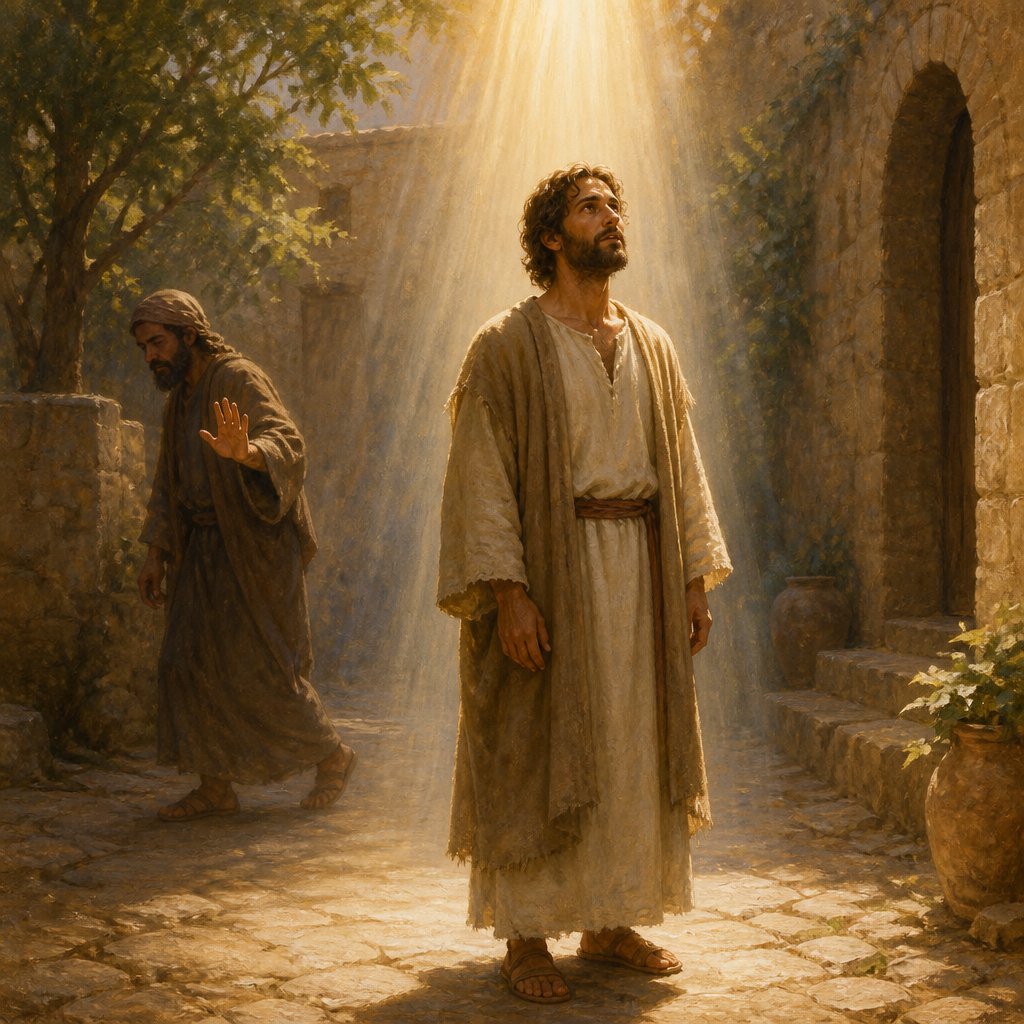
Romans 14:4 (KJV) states, "Who art thou that judgest another man's servant? to his own master he standeth or falleth. Yea, he shall be holden up: for God is able to make him stand." This verse speaks volumes about the nature of judgment and grace within the Christian community. As we explore this scripture, we unearth profound lessons about our relationship with one another and our ultimate reliance on God.
In Paul's letter to the Romans, we witness a vivid picture of the early church grappling with disputes over dietary laws, observance of special days, and various practices that some held as essential while others did not. These matters, though seemingly trivial, had the potential to create fractures in the body of Christ. Paul emphasizes a radical message: rather than judging one another, we should focus on our own relationship with God, recognizing that each individual is ultimately accountable to Him as their Master.
This leads us to the first key consideration—**the danger of judgment**. When Paul poses the question, "Who art thou that judgest another man's servant?" he confronts the arrogance that often accompanies our human tendency to criticize others. We may think we have a clearer view of righteousness than others, but in truth, we see only part of the picture. Our judgments are riddled with bias and personal history, influenced by our backgrounds, experiences, and even our own insecurities. The arrogance of judgment not only clouds our vision but can also lead us to a place of division.
Instead, Paul invites us to embrace humility. By reminding us that we are all servants of the same Master—God—he encourages us to remember that it is He who stands as the ultimate judge. Our focus should be on encouraging one another, uplifting each other in our walks of faith, rather than pointing out faults and discrepancies. Paul’s guidance here is not about ignoring wrong but about shifting our zeal for correction into a spirit of grace and understanding.
**Stand or Fall**
The latter part of the verse declares, "to his own master he standeth or falleth." This phrase highlights that each individual is responsible before God. We are a community of believers, yet we are uniquely created and called by Him. Each of us carries our burdens, our struggles, and our triumphs. The Master we serve, God Himself, is vigilant and involved. He knows the intricacies of our lives, our hearts, and our decisions. His grace is sufficient to sustain us, and His power is capable of uplifting even the most weary soul.
Indeed, Paul assures us, "Yea, he shall be holden up: for God is able to make him stand." This proclamation is a declaration of hope. When we stand before trials, temptations, and the crumbling expectations of life, we are not alone. God is the one who holds us up; He is the divine sustainer. Just as He raises up those who seem weak in their faith, He extends the same power to us. It is not our strength that carries us, but His grace.
**Reflections of Grace**
This brings us to apply this text personally. Are there moments when we find ourselves judging the maturity or actions of others in our Christian community? Are we quick to point out others’ failings without first turning the mirror inward? As God exposes our hearts, let us also extend grace to our brothers and sisters. Strive to understand their journeys and contribute to their elevation rather than their downfall. Pray for wisdom and humility in your approach to others.
Further, lean into the assurance that God holds you up as well. Whatever challenges you might be facing—whether in a relationship, a ministry, or even within yourself—His power can help you stand firm. Trust in His ability to uphold you and encourage others in your life, reminding them through your actions that they too are never alone but supported by the indomitable hand of the Almighty.
In closing, let us be a community uplifted by grace, walking alongside one another in mutual respect, understanding, and love. Together, let us stand tall in the goodness of God’s promises.
Get our apps


Artwork for Romans 14:4

Romans 14:4 - "Who art thou that judgest another man's servant? to his own master he standeth or falleth. Yea, he shall be holden up: for God is able to make him stand."
"Who art thou that judgest another man's servant? to his own master he standeth or falleth. Yea, he shall be holden up: for God is able to make him stand." - Romans 14:4

Romans 4:14 - "For if they which are of the law be heirs, faith is made void, and the promise made of none effect:"

"For if they which are of the law be heirs, faith is made void, and the promise made of none effect:" - Romans 4:14

Romans 4:13-14 - "For the promise to Abraham and his offspring that he would be heir of the world did not come through the law but through the righteousness of faith. For if it is the adherents of the law who are to be the heirs, faith is null and the promise is void."

Romans 14:12

Romans 8:14

Romans 10:14

Romans 2:4

Romans 4:3

Romans 14:16 - "Let not then your good be evil spoken of:"

Romans 3:14 - "Whose mouth is full of cursing and bitterness:"

Romans 4:4 - "Now to him that worketh is the reward not reckoned of grace, but of debt."

Romans 8:14 - "For as many as are led by the Spirit of God, they are the sons of God."

Romans 14:7 - "For none of us liveth to himself, and no man dieth to himself."

depict the theme of Romans 13:8-14

Romans 15:4-6
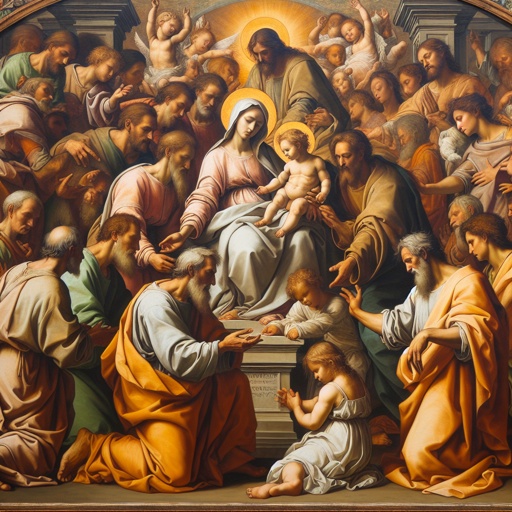
romans 12: 4-5

Romans 14:1 - "Him that is weak in the faith receive ye, but not to doubtful disputations."

Romans 12:14 - "Bless them which persecute you: bless, and curse not."

Romans 9:14 - "What shall we say then? Is there unrighteousness with God? God forbid."

Romans 14:18 - "For he that in these things serveth Christ is acceptable to God, and approved of men."

Romans 5:4 - "And patience, experience; and experience, hope:"

Romans 14:14 - "I know, and am persuaded by the Lord Jesus, that there is nothing unclean of itself: but to him that esteemeth any thing to be unclean, to him it is unclean."

Romans 4:22 - "And therefore it was imputed to him for righteousness."

Romans 14:12 - "So then every one of us shall give account of himself to God."

Romans 1:14 - "I am debtor both to the Greeks, and to the Barbarians; both to the wise, and to the unwise."

Romans 16:14 - "Salute Asyncritus, Phlegon, Hermas, Patrobas, Hermes, and the brethren which are with them."

Romans 14:17 - "For the kingdom of God is not meat and drink; but righteousness, and peace, and joy in the Holy Ghost."

Romans 7:14 - "For we know that the law is spiritual: but I am carnal, sold under sin."