Living in Liberty: Understanding the Heart of Faith
“One man esteemeth one day above another: another esteemeth every day alike. Let every man be fully persuaded in his own mind. He that regardeth the day, regardeth it unto the Lord; and he that regardeth not the day, to the Lord he doth not regard it. He that eateth, eateth to the Lord, for he giveth God thanks; and he that eateth not, to the Lord he eateth not, and giveth God thanks.” — Romans 14:5-6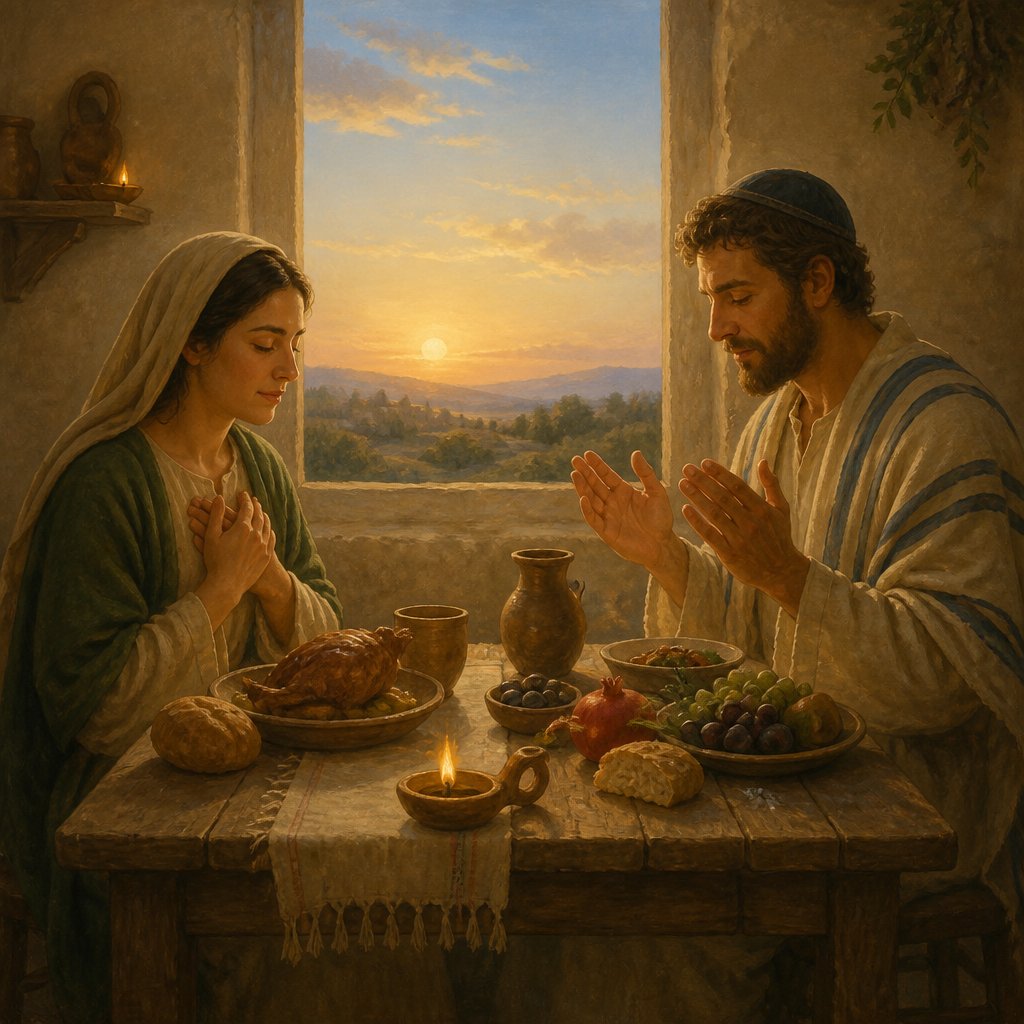
In Romans 14:5-6, the Apostle Paul addresses a contentious issue among the early Christians: the observance of special days and dietary laws. He states, "One man esteemeth one day above another: another esteemeth every day alike. Let every man be fully persuaded in his own mind. He that regardeth the day, regardeth it unto the Lord; and he that regardeth not the day, to the Lord he doth not regard it. He that eateth, eateth to the Lord, for he giveth God thanks; and he that eateth not, to the Lord he eateth not, and giveth God thanks." (Romans 14:5-6 KJV).
This passage is a profound reminder of the liberty we have as believers in Christ, highlighting the importance of personal conviction and dedicated worship. Paul emphasizes that every believer must come to their own understanding and conviction regarding days and dietary practices. The phrase, "let every man be fully persuaded in his own mind," speaks to the necessity of personal faith and individual accountability before God. Each of us is on our unique journey, influenced by various factors such as upbringing, culture, and personal revelation. As we navigate these differences within the Church, we must foster an environment of respect and understanding.
The early Church was grappling with questions of legalism and the relationship between faith and tradition. Some members clung to certain observances of the Mosaic Law, believing they were essential for holiness, while others found their freedom in Christ meant that such practices were unnecessary. Paul urges believers to rise above these divisions, encouraging them to focus on their devotion to God, rather than their differences. When we prioritize our relationship with the Lord above our preferences, we are better positioned to love and accept one another.
The Apostle highlights the underlying principle that our actions, whether eating or observing a day, are to be done with the intent of honoring God. When he states, "he that regardeth the day, regardeth it unto the Lord," it underscores the heart of worship: it is not the act alone, but the attitude of the heart that matters. Thus, if one chooses to observe a particular day or refrain from certain foods, their motive should solely be directed toward glorifying God. Our expressions of faith should be rooted in gratitude, as Paul notes that "he that eateth, eateth to the Lord, for he giveth God thanks; and he that eateth not, to the Lord he eateth not, and giveth God thanks."
This understanding shifts our focus from what we do to why we do it. In our devotional lives, whether in prayer, worship, or service, the importance lies in aligning our hearts with God’s intentions. Gratitude should flow through all aspects of our lives as we continually acknowledge the sovereignty of God and His role in our choices.
As believers, we live in a world saturated with differing opinions and practices, which can sometimes lead to tension. Romans 14 serves as a gentle admonition to engage with grace in the face of disagreement. It teaches us the vital lesson that liberty is bounded by love. We must not use our freedom as a license for self-indulgence but as an opportunity to serve one another, fostering an atmosphere where all can seek to honor God through their convictions.
In summary, let us embrace our liberty in Christ, bearing in mind that it should never lead us to stumble others but encourage them in their walk with God. Those who observe certain days or refrain from specific foods should do so for the Lord, giving thanks in all things. Ultimately, the heart of faith is not legalistic adherence to rules, but a genuine commitment to glorifying God in everything we do. May we continually seek to live out our faith with the full assurance of the liberty Christ has granted us, while upholding the unity of the Spirit in love and peace.
Get our apps


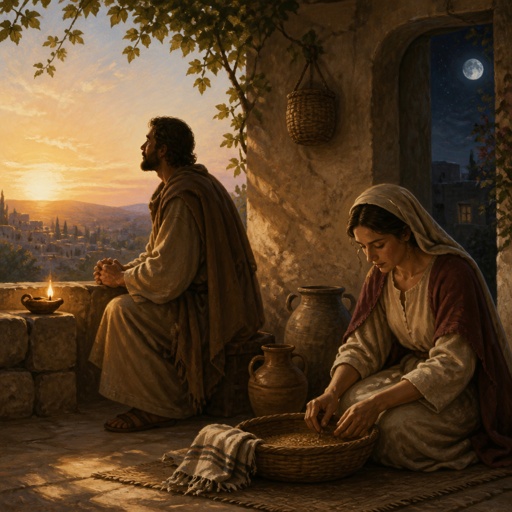
Artwork for Romans 14:5-6

Romans 14:5-6 - "One person considers one day more sacred than another; another considers every day alike. Each of them should be fully convinced in their own mind. Whoever regards one day as special does so to the Lord. Whoever eats meat does so to the Lord, for they give thanks to God; and whoever abstains does so to the Lord and gives thanks to God."
"One person considers one day more sacred than another; another considers every day alike. Each of them should be fully convinced in their own mind. Whoever regards one day as special does so to the Lord. Whoever eats meat does so to the Lord, for they give thanks to God; and whoever abstains does so to the Lord and gives thanks to God." - Romans 14:5-6

Romans 6:14 - "For sin shall not have dominion over you: for ye are not under the law, but under grace."

Romans 5:6 - "For when we were yet without strength, in due time Christ died for the ungodly."

Romans 6:5 - "For if we have been planted together in the likeness of his death, we shall be also in the likeness of his resurrection:"

Romans 14:5 - "One man esteemeth one day above another: another esteemeth every day alike. Let every man be fully persuaded in his own mind."

Romans 5:14 - "Nevertheless death reigned from Adam to Moses, even over them that had not sinned after the similitude of Adam's transgression, who is the figure of him that was to come."

Hosea 14:5-6 – "I will be like the dew to Israel; he will blossom like a lily."

"For sin shall not have dominion over you: for ye are not under the law, but under grace." - Romans 6:14

Stand firm in grace. 1 Peter 5:6-14
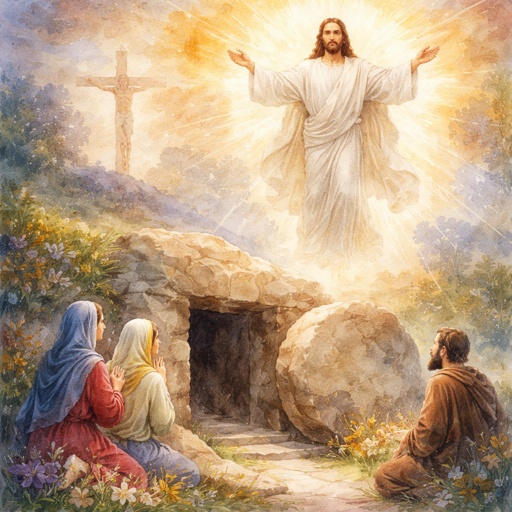
For if we have been united with him in a death like his, we shall certainly be united with him in a resurrection like his. Romans 6:5

Romans 14:12

Romans 8:14

Romans 10:14
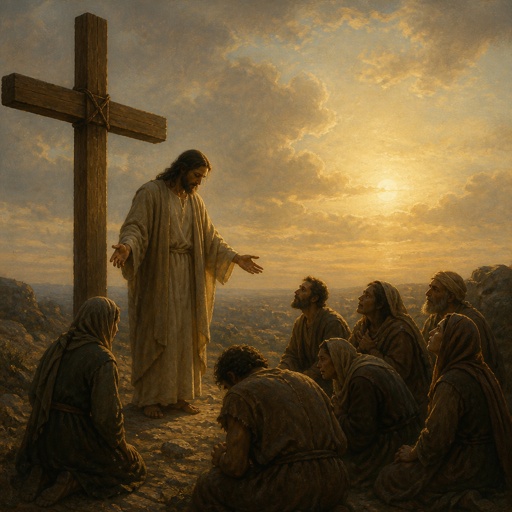
"For when we were yet without strength, in due time Christ died for the ungodly." - Romans 5:6

Romans 5:1

For if we have been united with him in a death like his, we shall certainly be united with him in a resurrection like his. Romans 6:5

Romans 14:6 - "He that regardeth the day, regardeth it unto the Lord; and he that regardeth not the day, to the Lord he doth not regard it. He that eateth, eateth to the Lord, for he giveth God thanks; and he that eateth not, to the Lord he eateth not, and giveth God thanks."

Romans 5:19

Romans 5:8

Romans 5:8

Romans 5:8

Romans 5:19

Matthew 14:6 - "But when Herod's birthday was kept, the daughter of Herodias danced before them, and pleased Herod."

Romans 6:23

Romans 8:6

Romans 6:23

Romans 14:16 - "Let not then your good be evil spoken of:"

Romans 3:14 - "Whose mouth is full of cursing and bitterness:"
"One man esteemeth one day above another: another esteemeth every day alike. Let every man be fully persuaded in his own mind." - Romans 14:5