Living for the Lord: Our Purpose in Life and Death
“For none of us liveth to himself, and no man dieth to himself. For whether we live, we live unto the Lord; and whether we die, we die unto the Lord: whether we live therefore, or die, we are the Lord’s. For to this end Christ both died, and rose, and revived, that he might be Lord both of the dead and living.” — Romans 14:7-9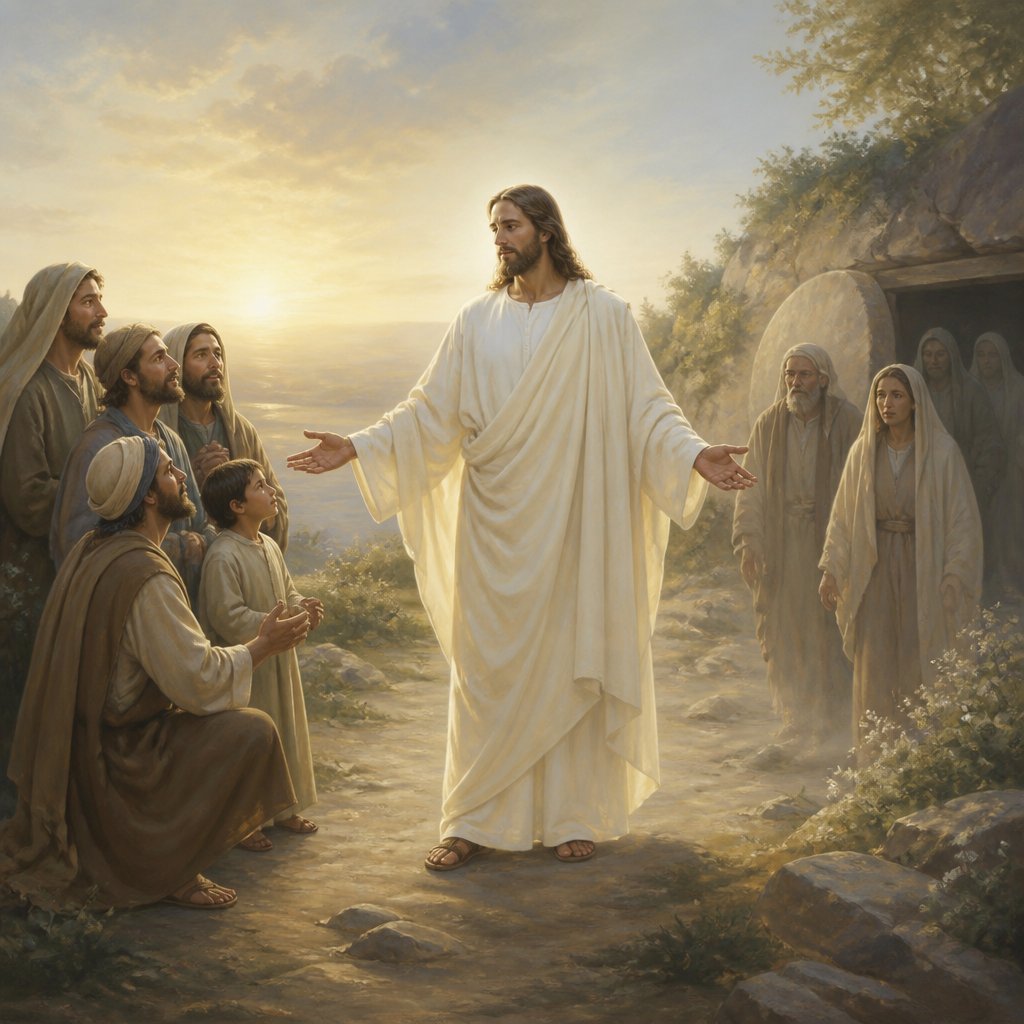
The Apostle Paul, in Romans 14:7-9 (KJV), presents a profound truth that encapsulates the essence of Christian living: "For none of us liveth to himself, and no man dieth to himself. For whether we live, we live unto the Lord; and whether we die, we die unto the Lord: whether we live therefore, or die, we are the Lord's. For to this end Christ both died, and rose, and revived, that he might be Lord both of the dead and living." This passage beckons us not only to reflect on our existence but also to understand the weight of our lives in the context of our relationship with Christ.
Firstly, the assertion that "none of us liveth to himself" calls attention to the interconnectedness of all believers. In a world amplifying self-indulgence and individualism, Paul reminds us that our lives are not merely our own to navigate as we please. Each believer is woven into the fabric of the Body of Christ. Our joys, burdens, and choices ripple within our faith communities, influencing others in ways we may not always recognize. This truth prompts us to ask—how are we living in a manner that benefits those around us?
Living "unto the Lord" reorients our priorities. The Greek translation indicates a purpose, a direction of devotion that centers our lives on Christ himself. Our actions, decisions, and intentions must reflect this commitment. Whether in everyday interactions at work, decisions made in our homes, or moments of quiet solitude, we are called to live with the awareness that we are reflecting Christ’s love and truth. In doing so, we honor our primary vocation: to glorify God in all we do. This perspective is not merely about restrictions but about the liberating call to serve a higher purpose.
Moreover, Paul’s mention of death highlights a facet of our faith that many tend to shy away from. For the believer, death is not the end but a transition—an entrance into a fuller existence with Christ. “To die unto the Lord” shifts our understanding and allows us to embrace death not with dread but with hope. Each breath taken on earth leads to an eternal embrace with the Savior who has conquered death.
As we explore this concept further, we realize that Paul emphasizes the sovereignty of Christ over both realms—life and death. The proclamation that Christ “both died, and rose, and revived” serves as a reminder of the gospel’s transformative power. His resurrection not only assures us of our hope beyond the grave but reaffirms His lordship over every aspect of our lives. This foundational truth establishes the groundwork for unwavering faith amidst life's uncertainties.
When faced with trials, suffering, or fear of the unknown, we must firmly anchor our hearts in the promise that whether we live or die, we belong to the Lord. Amid despair and confusion, this belonging is what gives us a sense of purpose and reassurance. Our identity in Christ does not waver based on our circumstances; it remains firm. Thus, in moments of turmoil or joy, our response is to worship, to seek His kingdom, and to share His love.
In practice, living for the Lord means a commitment to prioritizing the values and teachings of Christ over societal norms. It challenges us to engage in acts of kindness, provide help to those in need, and share the good news of salvation with those who are lost. It also necessitates a heart check whenever selfish desires begin to overshadow our dedication to Christ.
Ultimately, let us carry this understanding of our dual existence—living and dying as the Lord’s—into our daily lives. May we, with every heartbeat and every breath, reflect the glory of God, serving Him in every facet of our existence. For we are indeed, in life and in death, eternally His.
Get our apps


Artwork for Romans 14:7-9

Romans 14:7-9 - "For none of us lives for ourselves alone, and none of us dies for ourselves alone. If we live, we live for the Lord; and if we die, we die for the Lord. So, whether we live or die, we belong to the Lord. For this very reason, Christ died and returned to life so that he might be the Lord of both the dead and the living."

"For none of us lives for ourselves alone, and none of us dies for ourselves alone. If we live, we live for the Lord; and if we die, we die for the Lord. So, whether we live or die, we belong to the Lord. For this very reason, Christ died and returned to life so that he might be the Lord of both the dead and the living." - Romans 14:7-9

Romans 14:7 - "For none of us liveth to himself, and no man dieth to himself."

Romans 9:14 - "What shall we say then? Is there unrighteousness with God? God forbid."

Romans 7:14 - "For we know that the law is spiritual: but I am carnal, sold under sin."

Romans 14:9 - "For to this end Christ both died, and rose, and revived, that he might be Lord both of the dead and living."

Romans 9:7 - "Neither, because they are the seed of Abraham, are they all children: but, In Isaac shall thy seed be called."

Romans 7:9 - "For I was alive without the law once: but when the commandment came, sin revived, and I died."

"For none of us liveth to himself, and no man dieth to himself." - Romans 14:7
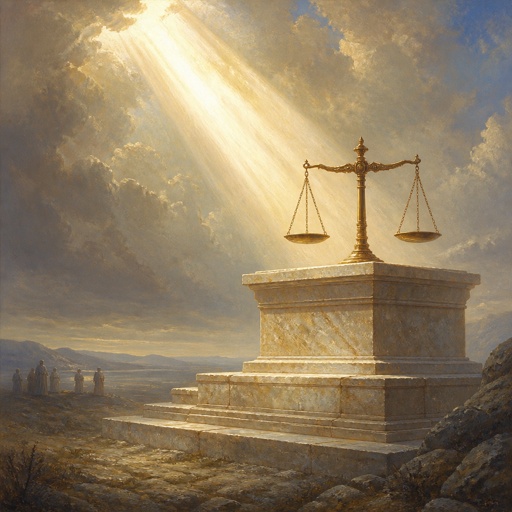
"What shall we say then? Is there unrighteousness with God? God forbid." - Romans 9:14

"For we know that the law is spiritual: but I am carnal, sold under sin." - Romans 7:14

Romans 14:7-8 - "For none of us lives to himself, and no one dies to himself. For if we live, we live to the Lord; and if we die, we die to the Lord. Therefore, whether we live or die, we are the Lord’s."
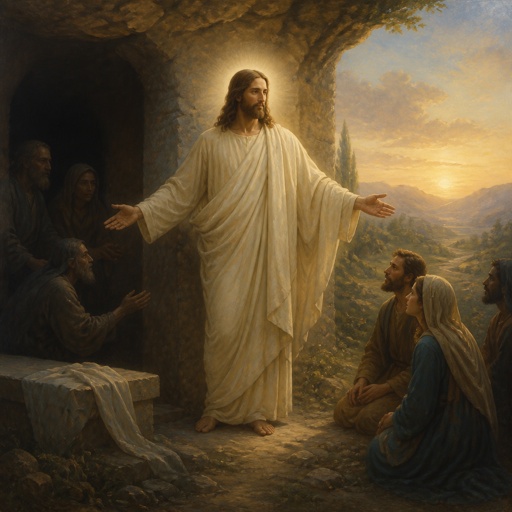
"For to this end Christ both died, and rose, and revived, that he might be Lord both of the dead and living." - Romans 14:9
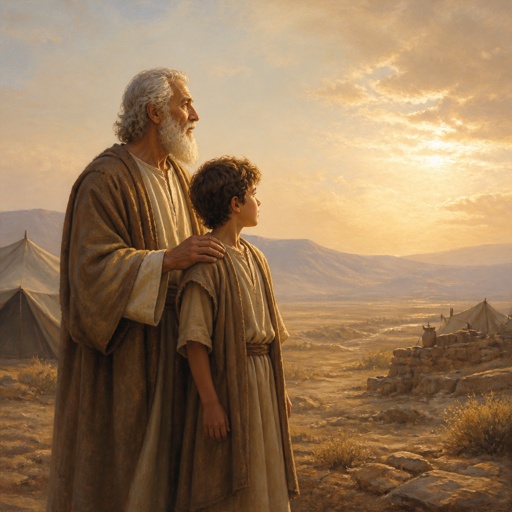
"Neither, because they are the seed of Abraham, are they all children: but, In Isaac shall thy seed be called." - Romans 9:7

Romans 14:12

Romans 8:14

Romans 10:14
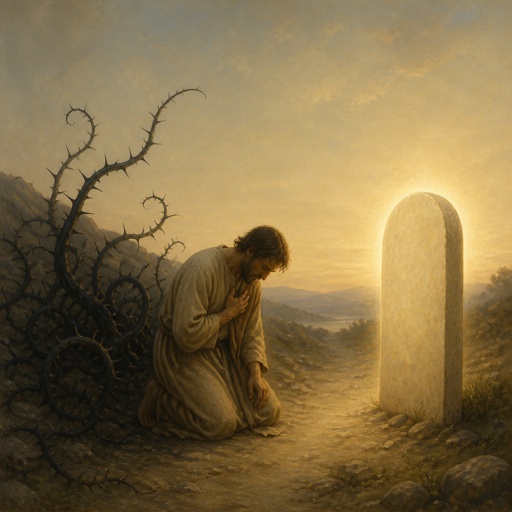
"For I was alive without the law once: but when the commandment came, sin revived, and I died." - Romans 7:9

Romans 10:9

Romans 10:9

Romans 7:19

Romans 7:12

Romans 9:9 - "For this is the word of promise, At this time will I come, and Sara shall have a son."

Romans 3:14 - "Whose mouth is full of cursing and bitterness:"

Romans 14:16 - "Let not then your good be evil spoken of:"

Romans 8:14 - "For as many as are led by the Spirit of God, they are the sons of God."

depict the theme of Romans 13:8-14

Romans 6:7 - "For he that is dead is freed from sin."

Romans 14:1 - "Him that is weak in the faith receive ye, but not to doubtful disputations."

Romans 12:14 - "Bless them which persecute you: bless, and curse not."