The True Value of Covenant: Understanding Romans 2:25
“For circumcision verily profiteth, if thou keep the law: but if thou be a breaker of the law, thy circumcision is made uncircumcision.” — Romans 2:25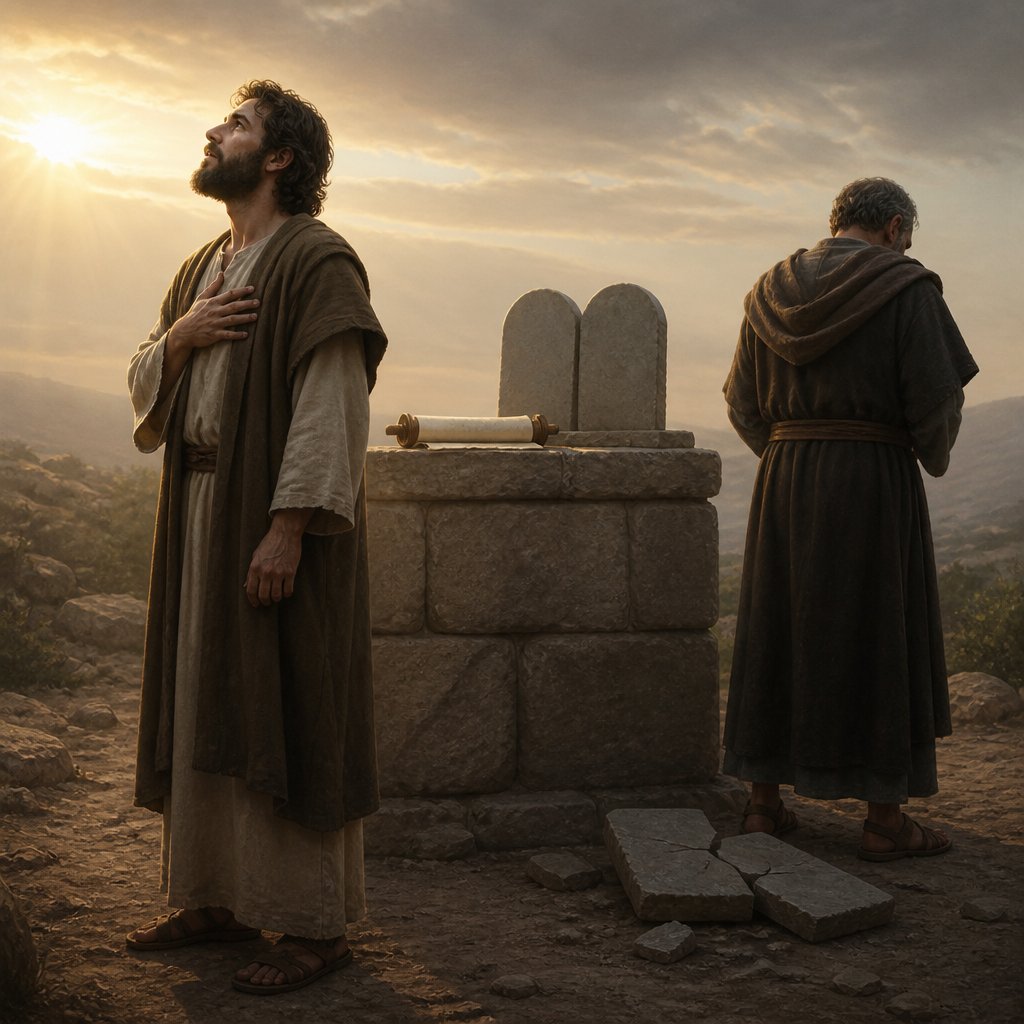
In Romans 2:25, the Apostle Paul addresses a critical aspect of the Judaic tradition through the lens of the new covenant established in Jesus Christ. The verse states, "For circumcision verily profiteth, if thou keep the law: but if thou be a breaker of the law, thy circumcision is made uncircumcision." This profound statement invites us to explore the implications of outward practices versus inward realities in our relationship with God.
To begin, we must appreciate the historical and cultural context of the Jewish people in Paul’s time. Circumcision was not merely a physical act; it was a covenantal sign, marking one as a member of God's chosen people. It symbolized inclusion in the covenant of Abraham, a physical manifestation of a spiritual reality. However, Paul highlights an essential truth: merely possessing the sign of the covenant without obedience to the laws of God renders it void. The external marks of faith are meaningless without internal transformation and faithful living.
This reveals a crucial understanding of what it means to be in covenant with God. The emphasis is not on the physical act itself but rather on the heart that underpins it. Obedience to the law signifies a faithful response to God’s covenantal relationship. In this way, circumcision can indeed "profit" those who keep the law, as it embodies a life committed to following God’s ways. The law was given as a means of living in accordance with God's desires and intentions—an expression of love and worship.
Yet, Paul does not shy away from the stark warning that accompanies this blessing. He explicitly states, "but if thou be a breaker of the law, thy circumcision is made uncircumcision." Herein lies the heart of the matter: the integrity of one's faith is not determined by ritualistic adherence but by genuine obedience to God’s commandments. This reveals a radical inclusivity of the Gospel. No longer is being part of God’s covenant defined solely by ethnic or ritualistic lines; it is now a matter of the heart.
This theological principle extends beyond the Jewish context into the lives of all believers. In our modern faith journey, it raises critical questions: Are we guilty of focusing on external signs of faith—church attendance, baptism, or even routine prayers—while neglecting the heart of obedience? Circumcision of the heart, as later expounded by Paul in Romans 2:29, is what God desires. It speaks to a heart transformed by His grace—a heart that seeks to live out the law through love.
Conversely, if we profess faith but live in disobedience, we risk the same consequence as those whose circumcision was made uncircumcision. Our titles, privileges, and outward identities cannot shield us from judgment if our lives do not reflect Christ's teachings. Therefore, we are invited to examine ourselves continually, to ask whether our outward signs of faith align with the inward transformation that Christ brings.
In practical terms, this may mean reassessing our motivations for serving within our churches or participating in religious activities. Are we doing it out of genuine love for God and others, or are we seeking affirmation and validation? Jesus Himself emphasized the importance of heart posture; the Beatitudes illuminate that it is the "pure in heart" who shall see God (Matthew 5:8).
Let us then approach this verse with humility and a desire for genuine transformation. In a world that often prioritizes appearance over authenticity, may we commit ourselves to being true followers of Christ, those who bear the marks of His covenant in both word and deed. May our circumcision be one of the heart, vibrant and alive, reflecting the light of Christ to the world around us. Let us cultivate obedience, not as a burden, but as a joyful response to the grace we have received.
Get our apps


Artwork for Romans 2:25

Romans 2:25 - "For circumcision verily profiteth, if thou keep the law: but if thou be a breaker of the law, thy circumcision is made uncircumcision."
"For circumcision verily profiteth, if thou keep the law: but if thou be a breaker of the law, thy circumcision is made uncircumcision." - Romans 2:25

Romans 2:5 - "But after thy hardness and impenitent heart treasurest up unto thyself wrath against the day of wrath and revelation of the righteous judgment of God;"

Romans 11:25-32

Romans 15:25 - "But now I go unto Jerusalem to minister unto the saints."

Romans 8:25 - "But if we hope for that we see not, then do we with patience wait for it."

Romans 4:25 - "Who was delivered for our offences, and was raised again for our justification."
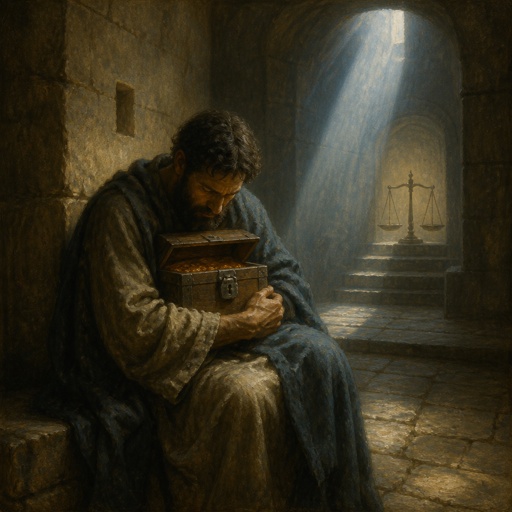
"But after thy hardness and impenitent heart treasurest up unto thyself wrath against the day of wrath and revelation of the righteous judgment of God;" - Romans 2:5

Romans 1:25 - "Who changed the truth of God into a lie, and worshipped and served the creature more than the Creator, who is blessed for ever. Amen."

Romans 12:2

Romans 12:2

Romans 12:2
Romans 12:2

Romans 12:2

Romans 12:2
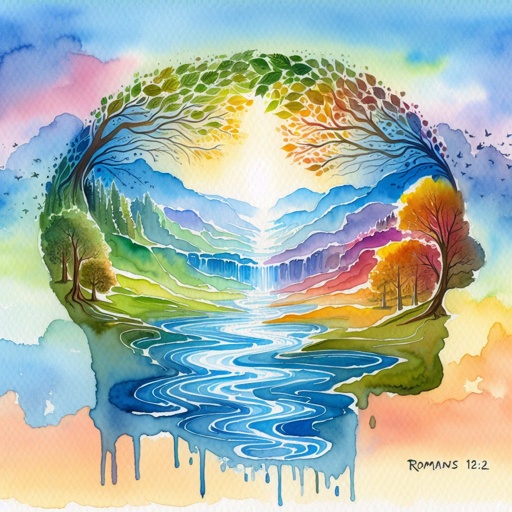
Romans 12:2

Romans 12:2

Romans 12:2

Romans 12:2

Romans 12:2

Romans 12:2

Romans 12:2

Romans 12:2

Romans 12:2

Romans 9:25 - "As he saith also in Osee, I will call them my people, which were not my people; and her beloved, which was not beloved."

Romans 7:25 - "I thank God through Jesus Christ our Lord. So then with the mind I myself serve the law of God; but with the flesh the law of sin."
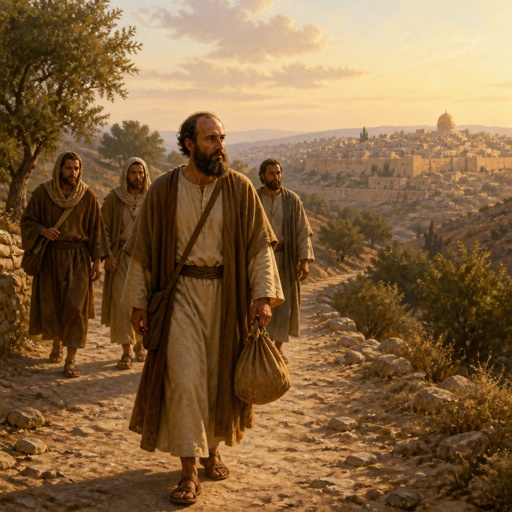
"But now I go unto Jerusalem to minister unto the saints." - Romans 15:25

Romans 12:2

Romans 2:4

Romans 12:2