The Silence of the Law: Understanding Our Guilt Before God
"Now we know that what things soever the law saith, it saith to them who are under the law: that every mouth may be stopped, and all the world may become guilty before God." - Romans 3:19
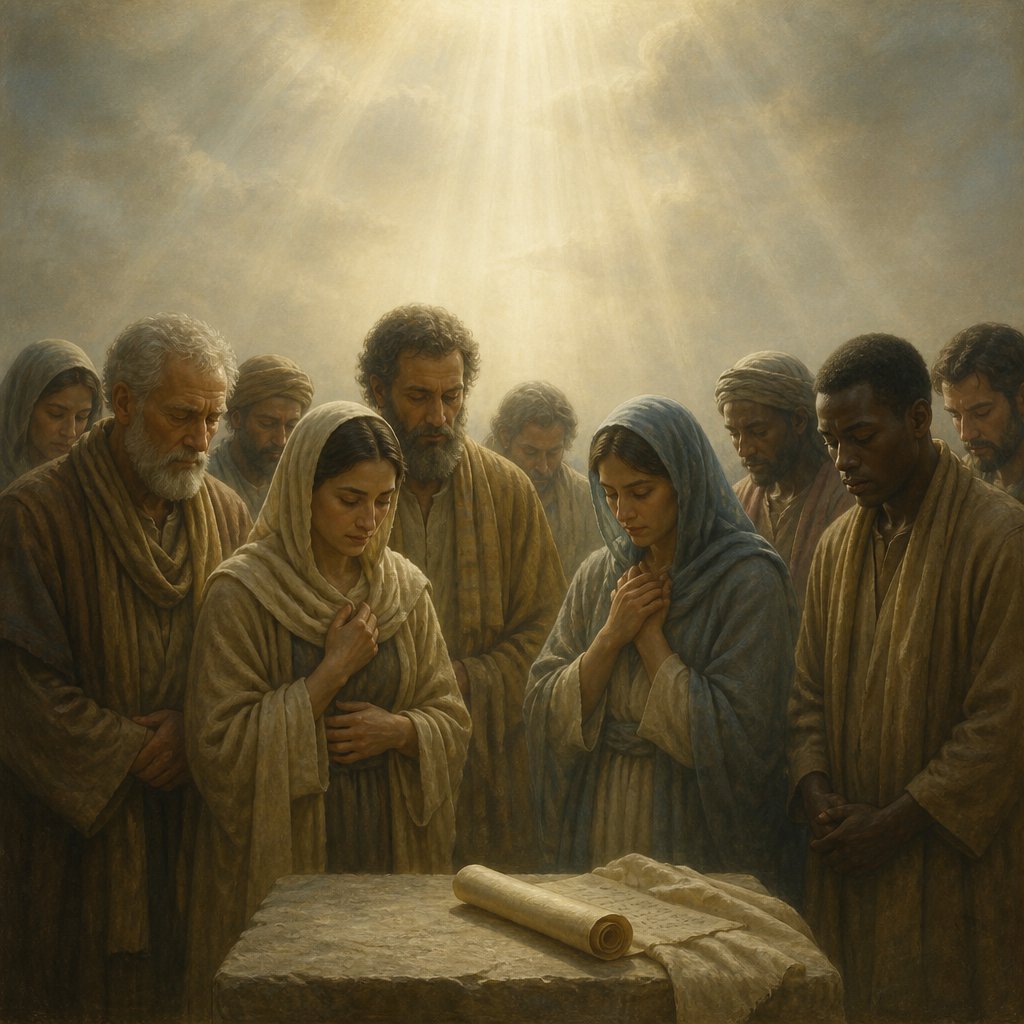
In the Book of Romans, chapter 3, verse 19, we encounter a profound truth that reverberates through the ages: "Now we know that what things soever the law saith, it saith to them who are under the law: that every mouth may be stopped, and all the world may become guilty before God." This powerful verse speaks to the universality of human sin and the role of the law in revealing our need for redemption.
To fully grasp the weight of Paul's declaration, it is essential to consider the context of his audience. The Apostle Paul was writing to the Romans, a diverse group comprising both Jews and Gentiles. The Jews held a special place as recipients of God’s law, having been given guidelines and commands through Moses. However, Paul makes it clear that the law is not merely a set of rules; it serves a much higher purpose in our relationship with God.
The first phrase, "what things soever the law saith, it saith to them who are under the law,” emphasizes that the law speaks specifically to those who are governed by it. The Jewish people understood this well, as they were entrusted with God's commandments. Yet, Paul extends this realization beyond them to encompass all humanity. The law reveals sin, and in doing so, brings understanding of moral and spiritual accountability to everyone, regardless of their background.
The second part of the verse states, "that every mouth may be stopped, and all the world may become guilty before God." Herein lies the crux of Paul’s message: the law's purpose is not merely to instruct but to silence. It shuts our mouths, preventing us from making excuses or justifying our actions. In a world that often seeks to rationalize behavior, the law serves as a stark reminder that in light of God’s holiness, we are rendered speechless.
This is reminiscent of the story of Job, who, upon encountering God, found himself unable to argue or present a case for his righteousness. Just like Job, we stand before God, faced with the truth of our shortcomings. The law does not provide a defense but rather reveals our guilty status before our Creator. Thus, Paul establishes that all the world is guilty, not just those under the law. As Romans 3:23 reminds us, "For all have sinned, and come short of the glory of God."
However, recognition of our guilt is not the end of the story. It is the first step toward understanding the depths of God’s grace. In acknowledging our failure, we find the incredible news of the Gospel: that through Jesus Christ, we are offered redemption. The very law that points out our sin also leads us to salvation through faith in Him. This is the remarkable paradox of God's plan. While the law exposes our guilt, Christ fulfills it (Matthew 5:17).
As followers of Christ, we must come to terms with the truths of this scripture. First, we must understand that the law serves a divine purpose. It is not just a collection of dos and don’ts; it is a reflection of God’s holiness and our inability to measure up. Second, we must allow this realization to lead us to humility, knowing that we are all in need of salvation. Our guilt before God is a great equalizer, stripping away pride and prompting us to lean on His mercy.
Finally, let us rejoice in the knowledge that while the law silences us, the grace of God speaks louder—speaking love, redemption, and hope. May we not only acknowledge our guilt but also embrace the freedom that comes from accepting Christ’s sacrifice. Each day, let us reflect on our dependence on Him, knowing that through the law and Christ's love, we find not just conviction, but also our pathway to eternal life.
Want to reflect more on Romans 3:19?
Continue your spiritual journey with Bible Chat — an AI-powered tool for exploring God's Word through conversation. Ask questions, discover connections, and deepen your understanding.
Get Our Apps


Romans 3:19 Artwork

Romans 3:19 - "Now we know that what things soever the law saith, it saith to them who are under the law: that every mouth may be stopped, and all the world may become guilty before God."
"Now we know that what things soever the law saith, it saith to them who are under the law: that every mouth may be stopped, and all the world may become guilty before God." - Romans 3:19

Romans 7:19

Romans 8:19

Romans 5:19

Romans 8:19

Romans 5:19

Romans 4:3

Romans 8:19 - "For the earnest expectation of the creature waiteth for the manifestation of the sons of God."

Romans 3:24

Romans 3:16 - "Destruction and misery are in their ways:"

Romans 11:19 - "Thou wilt say then, The branches were broken off, that I might be graffed in."

Romans 3:17 - "And the way of peace have they not known:"

Romans 3:15 - "Their feet are swift to shed blood:"

Romans 3:10 - "As it is written, There is none righteous, no, not one:"

Romans 3:18 - "There is no fear of God before their eyes."

Romans 3:3 - "For what if some did not believe? shall their unbelief make the faith of God without effect?"
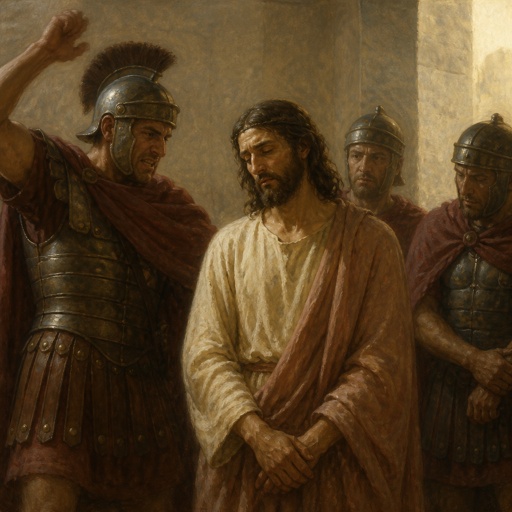
"And said, Hail, King of the Jews! and they smote him with their hands." - John 19:3

Romans 2:19 - "And art confident that thou thyself art a guide of the blind, a light of them which are in darkness,"

Romans 7:19 - "For the good that I would I do not: but the evil which I would not, that I do."

Romans 3:14 - "Whose mouth is full of cursing and bitterness:"

Romans 1:19 - "Because that which may be known of God is manifest in them; for God hath shewed it unto them."

Romans 3:11 - "There is none that understandeth, there is none that seeketh after God."

Romans 16:3 - "Greet Priscilla and Aquila my helpers in Christ Jesus:"

Romans 3:1 - "What advantage then hath the Jew? or what profit is there of circumcision?"

Romans 5:19 - "For as by one man's disobedience many were made sinners, so by the obedience of one shall many be made righteous."

Romans 3:23 - "For all have sinned, and come short of the glory of God;"

Romans 3:6 - "God forbid: for then how shall God judge the world?"

"Destruction and misery are in their ways:" - Romans 3:16

Romans 9:19 - "Thou wilt say then unto me, Why doth he yet find fault? For who hath resisted his will?"