Faith Found in the Footsteps of Abraham
“What shall we say then that Abraham our father, as pertaining to the flesh, hath found?” — Romans 4:1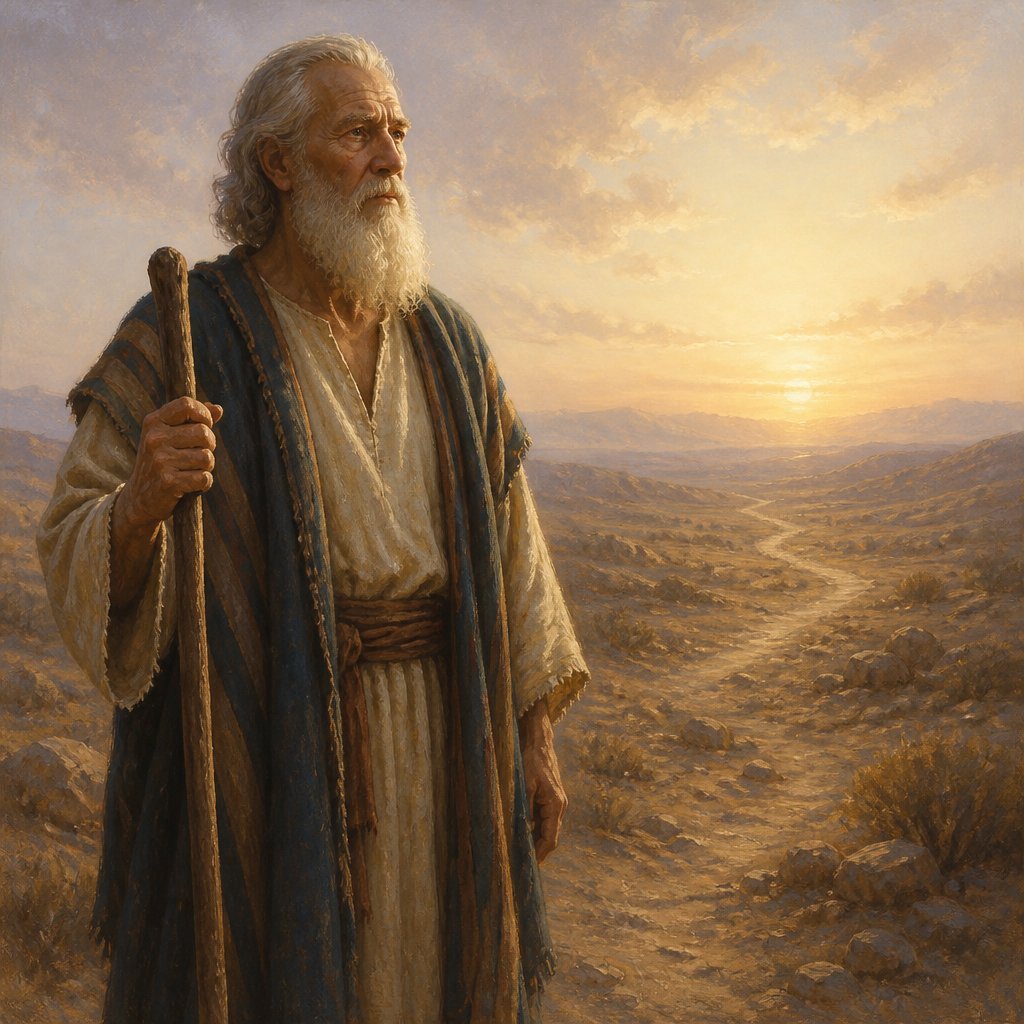
As we delve into the profound truths of Romans 4:1, where it beseeches us, “What shall we say then that Abraham our father, as pertaining to the flesh, hath found?” we stand at the intersection of faith and heritage, race and redemption. This question, posed by the Apostle Paul, reverberates through the corridors of theology, stirring us to examine the life of Abraham, the father of faith, and how his journey speaks directly to our own.
Abraham, initially named Abram, was a man called from his homeland, essentially a man of his time—an ancestral figure rooted in the customs and traditions of the world. Yet, what elevated him was not just his Jewish lineage, but a profound encounter with God. His journey as a patriarch was framed not by bloodlines but by belief. God’s promise to Abraham that he would be the father of many nations wasn’t just a physical lineage. It was an invitation to enter into a relationship characterized by faith. Thus, Paul poses a reflective question about the foundation of Abraham’s righteousness.
What exactly did Abraham find? Throughout Genesis chapters 12 to 25, we observe a man wrestling with disbelief and a world constantly challenging his promises. There’s a striking moment in Genesis 15:6, where we read, “And he believed in the LORD; and he counted it to him for righteousness.” Here lies the crux of Abraham's discovery—righteousness is attained through faith. He established what it truly meant to trust God, beyond what he could see.
This theme reverberates throughout Romans and challenges the cultural frameworks of the time (and even our modern context) that often equate salvation with works or lineage. In verse 2 and 3 of this chapter, Paul continues to assert that if Abraham was justified by works, he had whereof to glory. Hence, the emphasis shifts from the act of works to the necessity of faith. In doing so, Paul strips away barriers typically associate with salvation, presenting the gospel as accessible to all, regardless of ethnicity or past.
As Christians today, how often do we reflect on our own spiritual heritage? Do we, like Abraham, recognize that our relationship with God transcends our earthly ties? In a world that thrives on performance, accolades, and social status, Paul’s inquiry pushes us to confront our own understanding of righteousness. Are we finding our worth in our actions, or are we anchoring ourselves in faith?
Moreover, the life of Abraham is not merely about accolades but about the modern-day implications of faith. His journey was punctuated by trials—waiting long years for the promised son, Isaac; the heart-wrenching test of sacrificing him. Yet, through every challenge, Abraham discovered that faith is often contrasted against the reality of circumstances. He teaches us that faith in God means trusting Him even when our reality seems counterintuitive. This isn’t blind faith; it’s faith cultivated in the soil of relationship and trust, often in the midst of uncertainty.
In reflecting on this verse, ask yourself: What has your own journey revealed to you about faith? What challenges have tested your trust in God? Abraham’s story invites us into a deeper reliance on God, echoing that true ‘finding’ is about engaging with God’s promises and, in turn, experiencing His faithfulness.
Today's challenges may prompt you to question God’s promises, much as Abraham did. But remember, the measure of your faith is not shackled to your performance; it is defined by your reliance on Him. Embrace the truth of Romans 4:1, and like Abraham, may you find that faith carries with it not just a personal assurance, but the very basis of our righteousness through Him. You, too, are called to the heritage of faith, standing firmly in the footsteps of Abraham, our spiritual father.
Get our apps


Artwork for Romans 4:1

Romans 4:1 - "What shall we say then that Abraham our father, as pertaining to the flesh, hath found?"
"What shall we say then that Abraham our father, as pertaining to the flesh, hath found?" - Romans 4:1

Romans 2:4

Romans 1:4 - "And declared to be the Son of God with power, according to the spirit of holiness, by the resurrection from the dead:"

Romans 4:3

Romans 4:4 - "Now to him that worketh is the reward not reckoned of grace, but of debt."
Romans 15:4-6
romans 12: 4-5

Romans 5:4 - "And patience, experience; and experience, hope:"
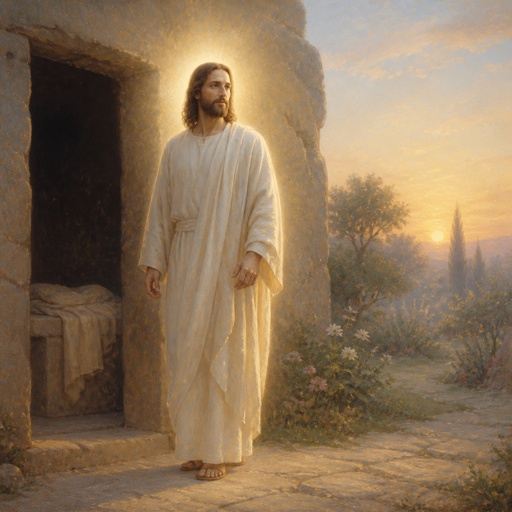
"And declared to be the Son of God with power, according to the spirit of holiness, by the resurrection from the dead:" - Romans 1:4

Romans 4:22 - "And therefore it was imputed to him for righteousness."

Romans 4:8 - "Blessed is the man to whom the Lord will not impute sin."

Romans 4:15 - "Because the law worketh wrath: for where no law is, there is no transgression."

Romans 10:4 - "For Christ is the end of the law for righteousness to every one that believeth."

Romans 4:23 - "Now it was not written for his sake alone, that it was imputed to him;"

Romans 1

Romans 4:7 - "Saying, Blessed are they whose iniquities are forgiven, and whose sins are covered."

Romans 8:1

"Now to him that worketh is the reward not reckoned of grace, but of debt." - Romans 4:4

Romans 5:1

Romans 4:10 - "How was it then reckoned? when he was in circumcision, or in uncircumcision? Not in circumcision, but in uncircumcision."

Romans 4:25 - "Who was delivered for our offences, and was raised again for our justification."

"And patience, experience; and experience, hope:" - Romans 5:4

"And therefore it was imputed to him for righteousness." - Romans 4:22

Romans 4:3 - "For what saith the scripture? Abraham believed God, and it was counted unto him for righteousness."

Romans 4:14 - "For if they which are of the law be heirs, faith is made void, and the promise made of none effect:"

Romans 12:1

Romans 4:2 - "For if Abraham were justified by works, he hath whereof to glory; but not before God."

Romans 4:5 - "But to him that worketh not, but believeth on him that justifieth the ungodly, his faith is counted for righteousness."

Romans 12:1