Faith Beyond Sight: Trusting God in the Impossible
"And being not weak in faith, he considered not his own body now dead, when he was about an hundred years old, neither yet the deadness of Sara's womb:" - Romans 4:19
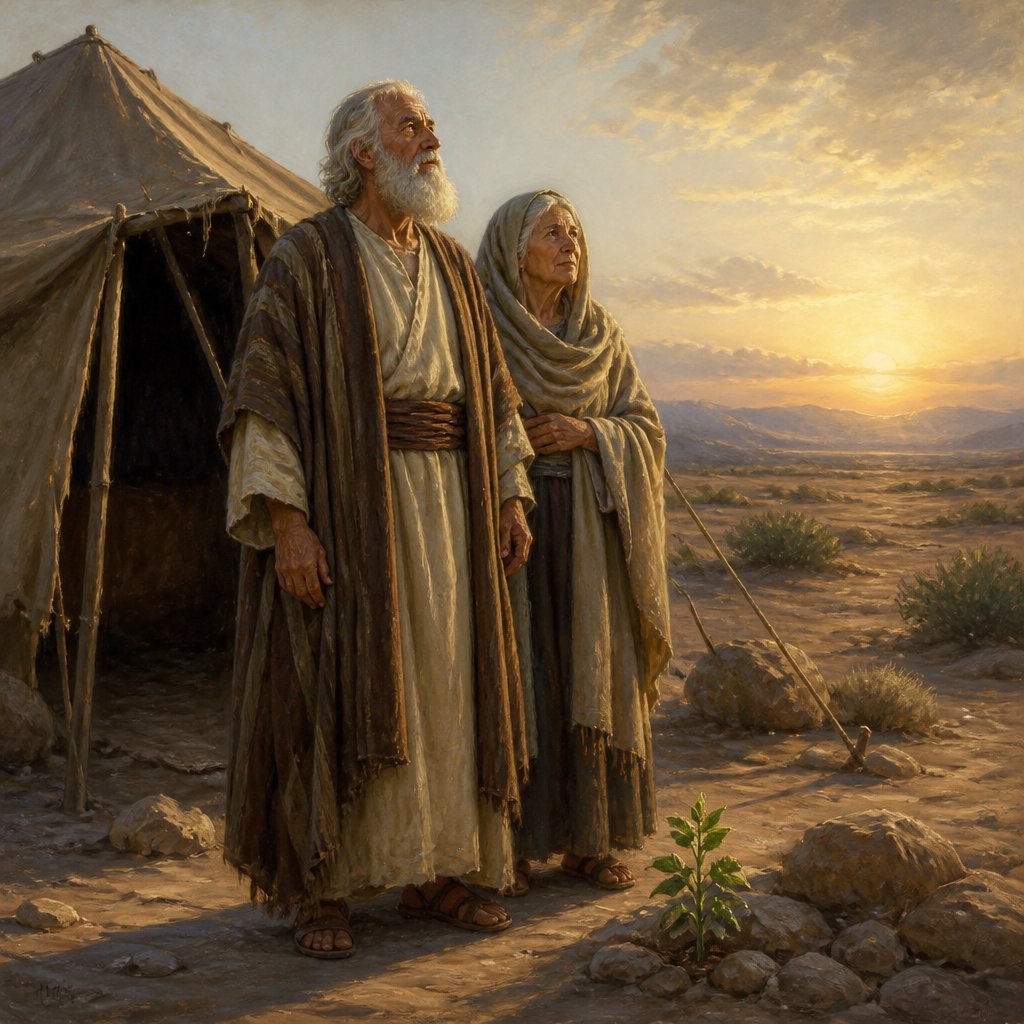
In Romans 4:19, the Apostle Paul brings to light the incredible faith of Abraham, saying, "And being not weak in faith, he considered not his own body now dead, when he was about an hundred years old, neither yet the deadness of Sara's womb:" This verse captures a pivotal moment in the life of Abraham, who is often termed the father of faith. It calls us to reflect on the essence of faith that transcends our circumstances, urging us to trust in God’s promises even when they seem impossible.
Abraham’s journey is one marked by trials, years of waiting, and unwavering faith in God’s word. At nearly a hundred years old, he confronted a reality that seemed insurmountable – his own body had aged, and the prospect of fatherhood appeared as distant as the stars in the night sky. Sarah, his wife, too faced her struggles; the bitterness of disappointment lingered in her heart as she grappled with the concept of motherhood in her old age. Yet, in the face of these limitations, Abraham's faith stood firm.
What does it mean to "be not weak in faith"? Weakness in faith arises when we focus primarily on our limitations rather than on the limitless potential of God. Abraham, despite what his eyes and senses reported, chose to reject the evidence of his circumstances. Instead, he centered his thoughts on God’s character and promises. This act of looking beyond the physical reality requires an intentional decision to cultivate a heart of trust. It mirrors Jesus’ teaching in Mark 11:22-23, where He instructs us to have faith in God, emphasizing the importance of believing beyond our sight.
The truth is, our feelings often deceive us. There are moments when everything around us screams doubt, fear, or hopelessness. Abraham’s situation serves as a vivid reminder that God often calls us into the realms of the impossible. In those moments, we must ask ourselves: Are we considering our circumstances more than we consider God's sovereignty and His unchanging nature? Abraham’s faith was not naiveté; it was a robust belief rooted in who God is, not merely in what he could see. The word “considered” in this verse indicates a mental deliberation. Abraham chose not to let his current reality dictate his faith.
This principle holds immense practical value in our lives today. Whether you are facing health issues, relational struggles, financial challenges, or emotional turmoil, there is a desperate temptation to cling to the present moment's despair. But like Abraham, we are called to lift our gaze and anchor our hope in God. We must focus on His promises which are always 'yes and amen' (2 Corinthians 1:20), reflecting on truths like Jeremiah 29:11, where God declares He knows the plans He has for us - plans to prosper us and not to harm us.
As believers, it’s crucial to cultivate an unwavering faith. It’s about training our hearts and minds to align with God’s perspective rather than succumbing to the noise of doubt. When prayerfully reading His word, we discover that God has consistently worked miracles throughout history and continues to do so today. Each testimony we read serves as fuel to ignite faith within us.
In conclusion, Romans 4:19 invites us to strengthen our faith, urging us to look beyond our physical limitations and boldly declare God’s promises over our lives. Much like Abraham, let us hold firm to our faith, considering not the natural state of our circumstances but trusting in the miraculous power of God. In every season, may our hearts resonate with the truth that nothing is impossible with God, and may we echo the words of Abraham as he staggered not at the promises of God but was strong in faith, giving glory to God. Let this be the faith that defines us!
Want to reflect more on Romans 4:19?
Continue your spiritual journey with Bible Chat — an AI-powered tool for exploring God's Word through conversation. Ask questions, discover connections, and deepen your understanding.
Get Our Apps


Romans 4:19 Artwork

Romans 4:19 - "And being not weak in faith, he considered not his own body now dead, when he was about an hundred years old, neither yet the deadness of Sara's womb:"

Romans 4:19-21 - "And being not weak in faith, he considered not his own body now dead, when he was about an hundred years old, neither yet the deadness of Sarah's womb: He staggered not at the promise of God through unbelief; but was strong in faith, giving glory to God; And being fully persuaded that, what he had promised, he was able also to perform."
"And being not weak in faith, he considered not his own body now dead, when he was about an hundred years old, neither yet the deadness of Sara's womb:" - Romans 4:19
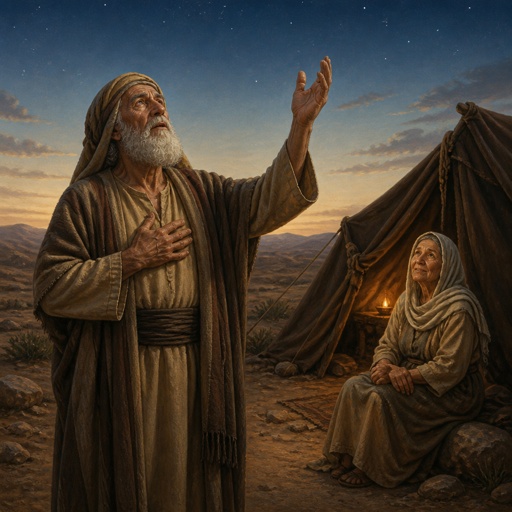
"And being not weak in faith, he considered not his own body now dead, when he was about an hundred years old, neither yet the deadness of Sarah's womb: He staggered not at the promise of God through unbelief; but was strong in faith, giving glory to God; And being fully persuaded that, what he had promised, he was able also to perform." - Romans 4:19-21

Romans 7:19

Romans 8:19

Romans 5:19

Romans 8:19

Romans 5:19

Romans 4:3

Romans 2:4

Romans 8:19 - "For the earnest expectation of the creature waiteth for the manifestation of the sons of God."

Romans 4:4 - "Now to him that worketh is the reward not reckoned of grace, but of debt."
romans 12: 4-5

Romans 11:19 - "Thou wilt say then, The branches were broken off, that I might be graffed in."

Romans 5:4 - "And patience, experience; and experience, hope:"

Romans 4:22 - "And therefore it was imputed to him for righteousness."

Romans 2:19 - "And art confident that thou thyself art a guide of the blind, a light of them which are in darkness,"

Romans 7:19 - "For the good that I would I do not: but the evil which I would not, that I do."

Romans 1:19 - "Because that which may be known of God is manifest in them; for God hath shewed it unto them."

Romans 4:8 - "Blessed is the man to whom the Lord will not impute sin."

Romans 4:15 - "Because the law worketh wrath: for where no law is, there is no transgression."

Romans 4:23 - "Now it was not written for his sake alone, that it was imputed to him;"

Romans 10:4 - "For Christ is the end of the law for righteousness to every one that believeth."

Romans 5:19 - "For as by one man's disobedience many were made sinners, so by the obedience of one shall many be made righteous."

Romans 4:7 - "Saying, Blessed are they whose iniquities are forgiven, and whose sins are covered."

"Now to him that worketh is the reward not reckoned of grace, but of debt." - Romans 4:4

Romans 4:10 - "How was it then reckoned? when he was in circumcision, or in uncircumcision? Not in circumcision, but in uncircumcision."

Romans 4:25 - "Who was delivered for our offences, and was raised again for our justification."

John 19:8 - "¶ When Pilate therefore heard that saying, he was the more afraid;"