The Blessedness of Imputed Righteousness
“Even as David also describeth the blessedness of the man, unto whom God imputeth righteousness without works,” — Romans 4:6
In Romans 4:6, we read, "Even as David also describeth the blessedness of the man, unto whom God imputeth righteousness without works." This profound statement encapsulates a fundamental doctrine of our faith: the grace that God extends to us through faith, a grace that does not require our labor but rather our belief.
The Apostle Paul, while writing to the Romans, takes us back to the Old Testament to illustrate the truth of God's saving grace manifested in the person of David. David, a man after God’s own heart, fully recognized and articulated the blessedness of being justified by God’s grace. In the Psalms, he expressed profound gratitude for God's mercy, understanding that it is not by his righteous deeds that he stands justified before God but through His grace alone.
When Paul speaks of God imputing righteousness, he speaks to the very heart of the Gospel—the transference of Jesus's own righteousness onto us. Just as a bank may credit an account without requiring a deposit from the account holder, God credits righteousness to us through faith in Jesus Christ. This concept of being "imputed" with righteousness means that our status before God changes radically. We are no longer labeled as sinful or unworthy; instead, we are regarded as righteous in His sight as long as we believe.
The feeling of blessedness that Paul refers to is indeed profound. Blessedness is not just happiness; it is a deep, abiding sense of joy and peace that stems from being in a right relationship with the Creator. This state of blessedness is available to all who, like David and ultimately Abraham, trust in God’s promises. It is a standing we receive without any of our own merits. This notion runs contrary to human thinking, which often equates worthiness with achievement. Yet here, God flips the script and declares that it is not our works that gain us favor, but our faith.
How liberating it is to understand that our righteousness is God-given and not performance-based! This concept should transform the way we view ourselves and our standing before God. Many Christians struggle with feelings of inadequacy in their spiritual lives, constantly asking if they have done enough to deserve God's love or blessing. But Romans 4:6 speaks directly to this by assuring us that it is not about what we can achieve, but rather about what has already been achieved for us by Christ.
David's acknowledgment of this blessedness teaches us to lean heavily on God's grace. It reminds us to approach Him with the humility of heart that acknowledges our need for Him. When we understand that righteousness is given rather than earned, we can walk in true freedom, liberated from the weight of trying to live up to some unattainable standard.
In our relationship with God, we are invited to rest in His goodness, knowing that our failings do not disqualify us from His love or His grace. Every time we fall short, God’s grace rises up to meet us, continuously inviting us to draw near. We reflect upon David's life, a man who made great mistakes yet found restoration and righteousness by calling upon the name of the Lord. This act of placing our trust in God transfers His righteousness over our sins, and it emphasizes our need for daily reliance on Him.
As we contemplate our identity in Christ, let us rejoice in the truth that God sees us through the lens of His Son, and acknowledges that we are blessed, accepted, and complete in Him. Let us embrace this incredible gift of imputed righteousness, allowing it to transform our hearts and shape our lives, leading us to reflect His love and grace towards others.
May our lives showcase the blessedness described by David, echoing grace to a world yearning for the truth that righteousness is a gift freely given by God without works.
Get our apps


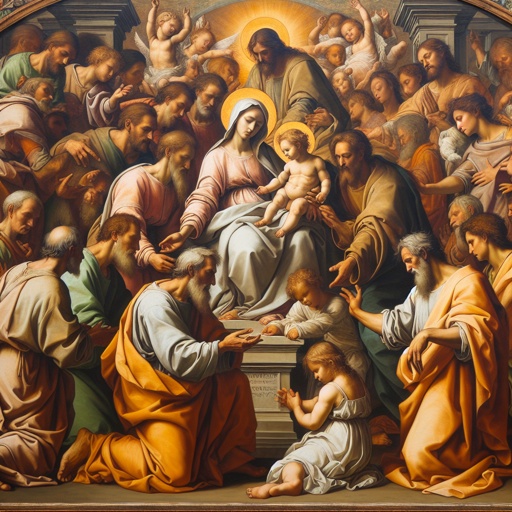
Artwork for Romans 4:6

Romans 4:6 - "Even as David also describeth the blessedness of the man, unto whom God imputeth righteousness without works,"

"Even as David also describeth the blessedness of the man, unto whom God imputeth righteousness without works," - Romans 4:6

Romans 15:4-6

Romans 6:4 - "Therefore we are buried with him by baptism into death: that like as Christ was raised up from the dead by the glory of the Father, even so we also should walk in newness of life."

Romans 6:23

Romans 8:6

Romans 6:23

Romans 2:4

Romans 4:3

Romans 4:4 - "Now to him that worketh is the reward not reckoned of grace, but of debt."

Romans 6:7 - "For he that is dead is freed from sin."
romans 12: 4-5

Romans 5:4 - "And patience, experience; and experience, hope:"

Romans 4:22 - "And therefore it was imputed to him for righteousness."

Romans 2:6 - "Who will render to every man according to his deeds:"

Romans 6:6 - "Knowing this, that our old man is crucified with him, that the body of sin might be destroyed, that henceforth we should not serve sin."

Romans 8:6 - "For to be carnally minded is death; but to be spiritually minded is life and peace."

Romans 16:6 - "Greet Mary, who bestowed much labour on us."

Romans 1:6 - "Among whom are ye also the called of Jesus Christ:"

Romans 3:6 - "God forbid: for then how shall God judge the world?"

Romans 4:8 - "Blessed is the man to whom the Lord will not impute sin."

Romans 4:15 - "Because the law worketh wrath: for where no law is, there is no transgression."

Romans 10:4 - "For Christ is the end of the law for righteousness to every one that believeth."

Romans 4:23 - "Now it was not written for his sake alone, that it was imputed to him;"

Romans 6:18 - "Being then made free from sin, ye became the servants of righteousness."

Romans 4:7 - "Saying, Blessed are they whose iniquities are forgiven, and whose sins are covered."

"Now to him that worketh is the reward not reckoned of grace, but of debt." - Romans 4:4

Romans 6:20 - "For when ye were the servants of sin, ye were free from righteousness."

Romans 4:10 - "How was it then reckoned? when he was in circumcision, or in uncircumcision? Not in circumcision, but in uncircumcision."

Romans 4:25 - "Who was delivered for our offences, and was raised again for our justification."