The Blessedness of Forgiveness: A Reflection on Romans 4:7-8
“Saying, Blessed are they whose iniquities are forgiven, and whose sins are covered. Blessed is the man to whom the Lord will not impute sin.” — Romans 4:7-8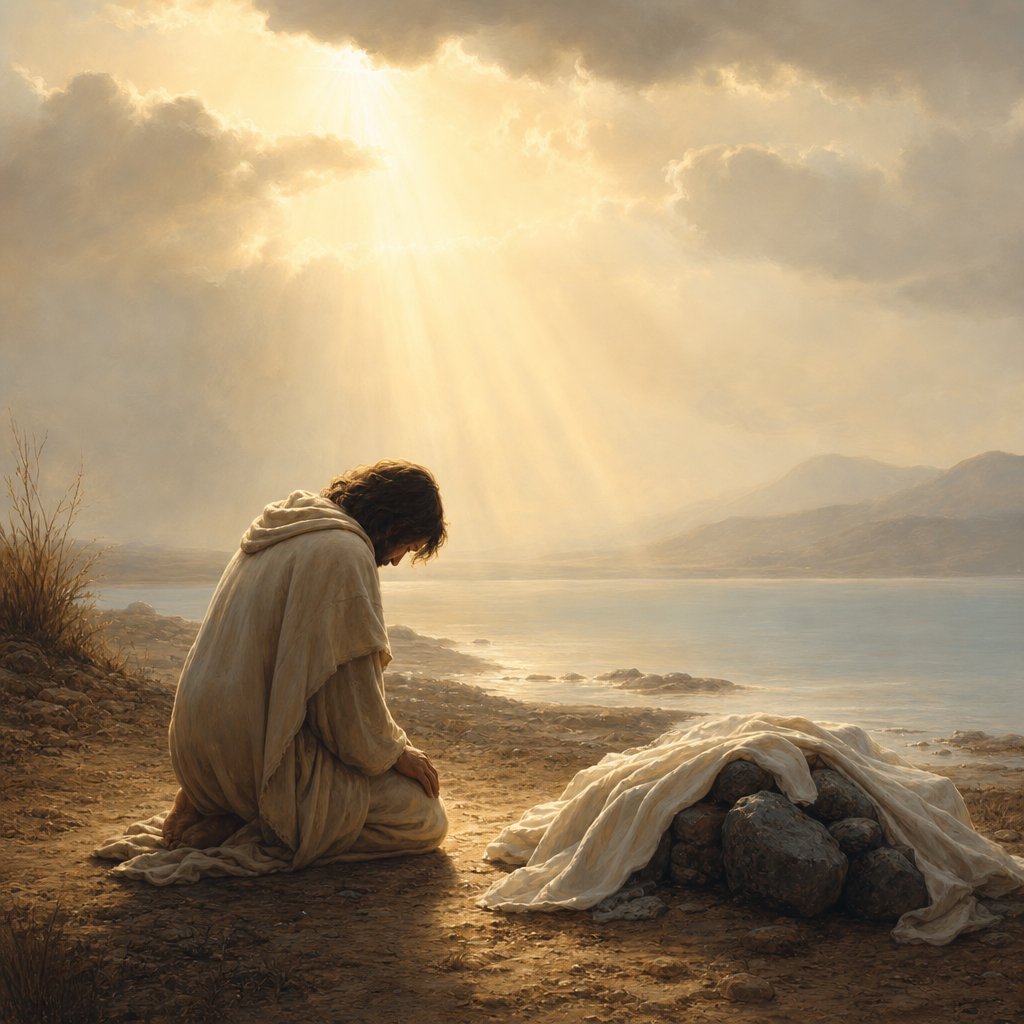
In the profound depths of Romans 4:7-8, we find a declaration that resonates with the very core of the Christian faith: "Blessed are they whose iniquities are forgiven, and whose sins are covered. Blessed is the man to whom the Lord will not impute sin." This passage serves as a reminder of the radical love and mercy of God towards us, and it prompts us to reflect on the significance of forgiveness in our spiritual lives.
To understand the weight of these words, we must first consider what it means to have our iniquities forgiven. Iniquity encompasses not only the acts of wrongdoing but also the condition of our hearts that leads us to sin. It is an acknowledgment of our brokenness and the ways we fall short of God's glory. The Hebrew word used in the Old Testament for iniquity suggests a sense of rebellion—a willful turning away from God's commands. Yet, despite our rebellions, we are reminded that blessedness comes through forgiveness. This blessedness isn't just a fleeting happiness; it’s a state of being that encompasses peace, joy, and assurance in the relationship we share with our Creator.
In a world that often seems to thrive on condemnation and judgment, the good news is that our Lord is not an accountant who meticulously keeps track of our failures. Instead, we are met with grace that transforms our records of sin into testimonies of redemption. The phrase "whose sins are covered" is profound—a representation of God's love and atoning sacrifice through Jesus Christ. As we lay our sins at the foot of the cross, Christ's sacrifice envelops them, rendering them powerless over us. Just as the blood of the Passover lamb protected the Israelites in Egypt, so too does Christ’s sacrifice shield us from the judgment our sins rightfully deserve.
The next part of the verse takes us deeper into our understanding of divine grace. When Paul writes, "Blessed is the man to whom the Lord will not impute sin," he introduces us to the concept of justification. This is not merely God's ability to overlook our sins but an intentional declaration of righteousness. When God looks at us, He does not see our failures; instead, He sees the perfect righteousness of His Son. It is a staggering thought that through faith, we are justified—just as if we had never sinned. This is an act of divine grace that extends far beyond human understanding.
Moreover, the message of Romans 4:7-8 invites us to consider the implications of forgiveness within our own relationships. If God, in His infinite mercy, does not hold our sins against us, how much more should we strive to forgive those who wrong us? Holding on to bitterness and grudges only serves to imprison our hearts. Embracing the reality of our own forgiveness should inspire us to mirror that grace in our interactions with others. To forgive, we relinquish the right to keep score—an act that frees us from the weight of resentment and opens our hearts to healing and restoration.
As we meditate on this scripture, let us take a moment to ask ourselves: Are there areas of our lives where we need to accept God’s forgiveness? Are there others we need to forgive in response to the gift of grace we've received? The blessedness that Paul writes about is available not just in the heavens but also right here on earth. It invites us into an abundant life characterized by love, peace, and joy—elements we can embody when we fully accept our forgiven status and extend that forgiveness outward.
In conclusion, let us rejoice in the promise of Romans 4:7-8 and share in the reality of blessedness that forgiveness brings. For in our acknowledgment of God’s mercy, we find true spiritual freedom. Let us be vessels of that forgiveness, shining a light in a world that desperately needs to know the grace of God.
Get our apps


Artwork for Romans 4:7-8

Romans 4:7-8 - "Blessed are those whose transgressions are forgiven, whose sins are covered. Blessed is the one whose sin the Lord will never count against them."
"Blessed are those whose transgressions are forgiven, whose sins are covered. Blessed is the one whose sin the Lord will never count against them." - Romans 4:7-8

Numbers 4:7-8

Romans 4:8 - "Blessed is the man to whom the Lord will not impute sin."

Romans 4:7 - "Saying, Blessed are they whose iniquities are forgiven, and whose sins are covered."

Romans 8:7 - "Because the carnal mind is enmity against God: for it is not subject to the law of God, neither indeed can be."

Romans 8:4 - "That the righteousness of the law might be fulfilled in us, who walk not after the flesh, but after the Spirit."

Romans 7:8 - "But sin, taking occasion by the commandment, wrought in me all manner of concupiscence. For without the law sin was dead."

"Blessed is the man to whom the Lord will not impute sin." - Romans 4:8
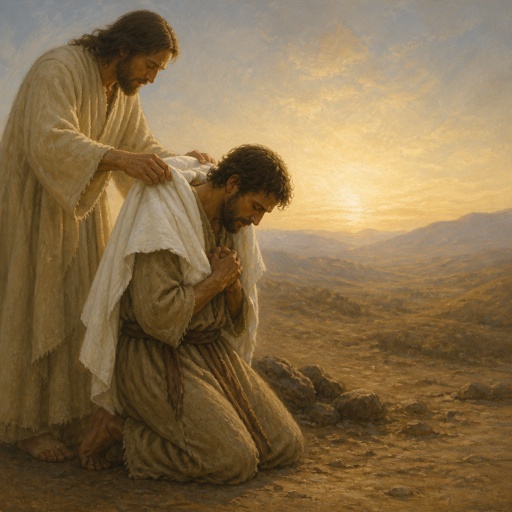
"Saying, Blessed are they whose iniquities are forgiven, and whose sins are covered." - Romans 4:7

Romans 8

romans 8

Romans 14:7-8 - "For none of us lives to himself, and no one dies to himself. For if we live, we live to the Lord; and if we die, we die to the Lord. Therefore, whether we live or die, we are the Lord’s."

Romans 8:8 - "So then they that are in the flesh cannot please God."

"That the righteousness of the law might be fulfilled in us, who walk not after the flesh, but after the Spirit." - Romans 8:4
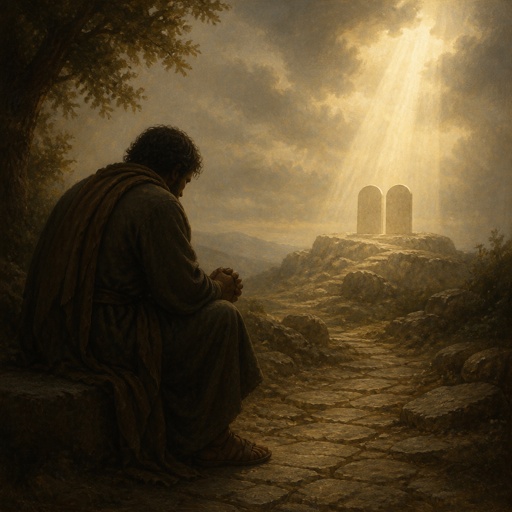
"Because the carnal mind is enmity against God: for it is not subject to the law of God, neither indeed can be." - Romans 8:7

Romans 8:18

Romans 8:19

Romans 8:28

Romans 8:31

Romans 13:8

Romans chapter 8

Romans 8:14

Romans 5:8

Romans 8:28

romans 8:38

Romans 8:35

Romans 5:8

Romans 8:28

Romans 13:8